A/C System Evacuation
A/C System Evacuation
 |
|
- Use only a gauge set for refrigerant HFC-134a (R-134a).
- Use a vacuum pump adapter which is equipped with a check valve to prevent the backflow of the vacuum pump oil.
If accidental system discharge occurs, ventilate work area before resuming service.
Additional health and safety information may be obtained from the refrigerant and lubricant manufacturers.
| 1. | When an A/C System has been opened to the atmosphere, such as during installation or repair, it must be evacuated using a R-134a refrigerant vacuum pump. (If the system has been open for several days, the receiver/dryer should be replaced.) |
| 2. | Connect the R-134a gauge set, pump and refrigerant containers (cans of R-134a) as shown. Do not open the cans.
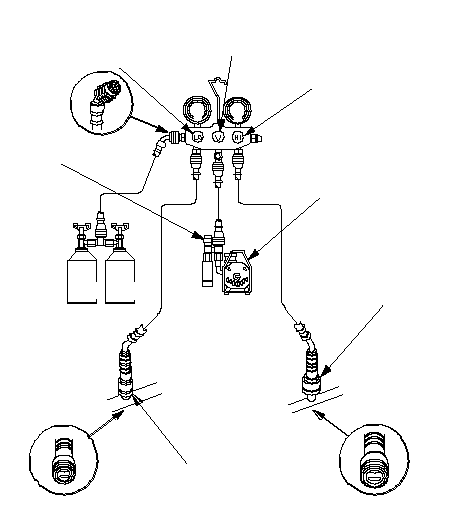 13 mm16 mmTHREE VALVE GAUGE:LOW-PRESSURE VALVEEVACUATION VALVEHIGH-PRESSURE VALVEVACUUM PUMPHIGH-PRESSURE QUICK JOINTCHECK VALVELOW-PRESSURE QUICK JOINTR- 134aR- 134a
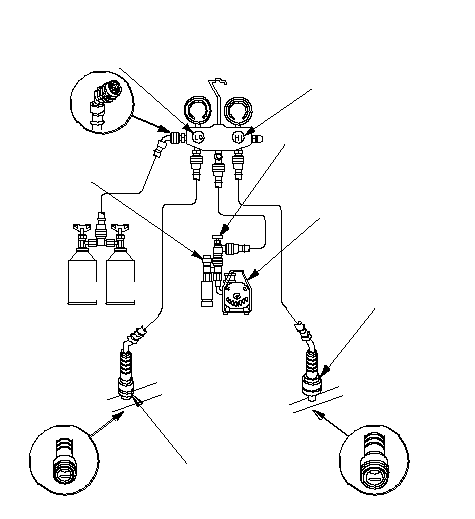 13 mm16 mmTWO VALVE GAUGE:LOW-PRESSURE VALVEHIGH-PRESSURE VALVEVACUUM PUMPHIGH-PRESSURE QUICK JOINTCHECK VALVELOW-PRESSURE QUICK JOINTEVACUATION STOP VALVER- 134aR- 134a |
| 3. | Start the pump, then open both pressure valves and the evacuation valve (two valve gauge: evacuation stop valve). Run the pump for about 15 minutes. |
| 4. | Close both pressure valves and the evacuation valve (two valve gauge: evacuation stop valve), and stop the pump. The low-pressure gauge should indicate above 93.3 kPa (700 mmHg, 27.6 in·Hg), and remain steady with the valves closed. |
| 5. | If the low pressure does not reach more than 93.3 kPa (700 mmHg, 27.6 in·Hg) in 15 minutes, there is probably a leak in the system. Check for leaks, and repair. |
| 6. | If there are no leaks, open th valves and continue pumping for at least another 15 minutes. Then close both valves, and stop the pump. |