Previous Next

LEVEL CHECK

  1. Drive the vehicle until normal operating temperature is reached.
  2. Place vehicle on level surface.
  3. Move the gear selector level into every position. Once this is done, position the shifter in NEUTRAL and apply the parking brake firmly.
  4. Wipe the dirt from around the dipstick on the transaxle case. Remove the dipstick and check the condition of the fluid. The fluid should be changed if:
  5. Wipe the fluid from the end of the dipstick and reinsert it into the transaxle assembly. Pull out the dipstick and inspect the fluid level on the stick.

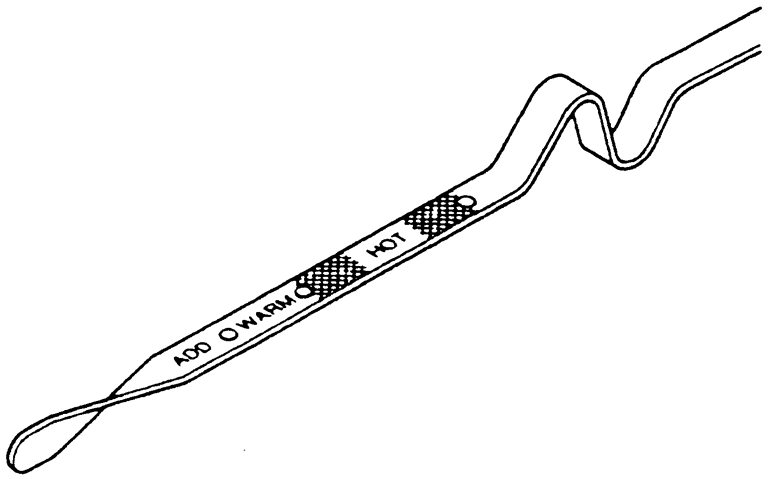
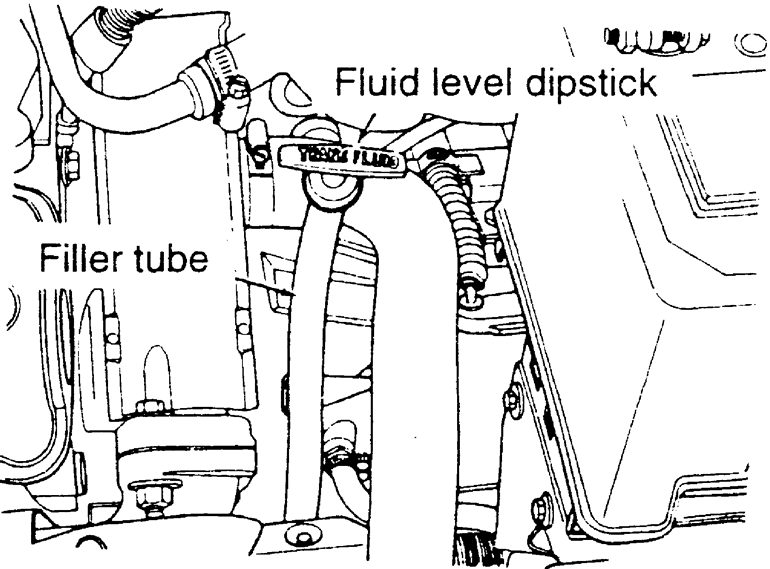
    Fig. 1: Location of the automatic transaxle dipstick — 1995–98 2.0l non-turbo engine shown

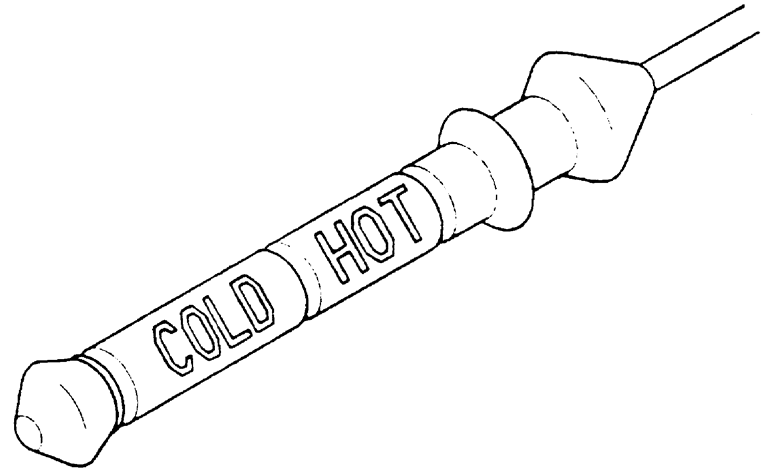
    Fig. 2: Automatic transaxle dipstick location — 1990–94 vehicles

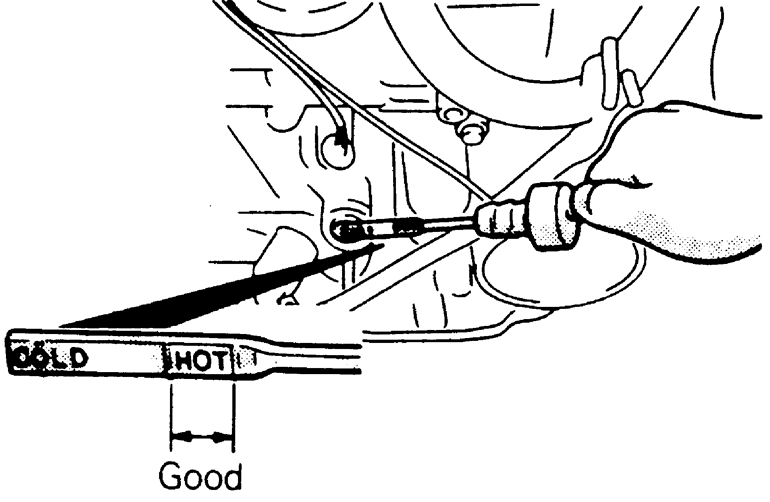
  6. On all vehicles, except 1995–98 2.0L non-turbo engines, the fluid level should be in the HOT range on the stick. If not, add the appropriate fluid to fill to specifications.

    Fig. 3: The fluid level should be within the HOT range — 1995–98 2.0L turbo and 2.4L engines shown

  7. For 1995–98 2.0L non-turbo engines, if the vehicle has been driven for over 15 minutes before checking the level, the transaxle can be considered hot, and the reading should be above the warm mark. If the vehicle was running for under 15 minutes, but more than 60 seconds, the transaxle is warm and the reading should be above the ADD mark. Add fluid only is the level is below the ADD mark on the dipstick when the transaxle is warm.

    Fig. 4: For 1995–98 vehicles, the fluid level should be in the proper range

  8. Inspect the transaxle and related components for fluid leaks. Repair leaks as required.

    NOTE: When adding fluid to the transaxle, do not overfill the transaxle. Too much fluid could result in fluid aeration and cause slipping and eventual damage.
Previous Next