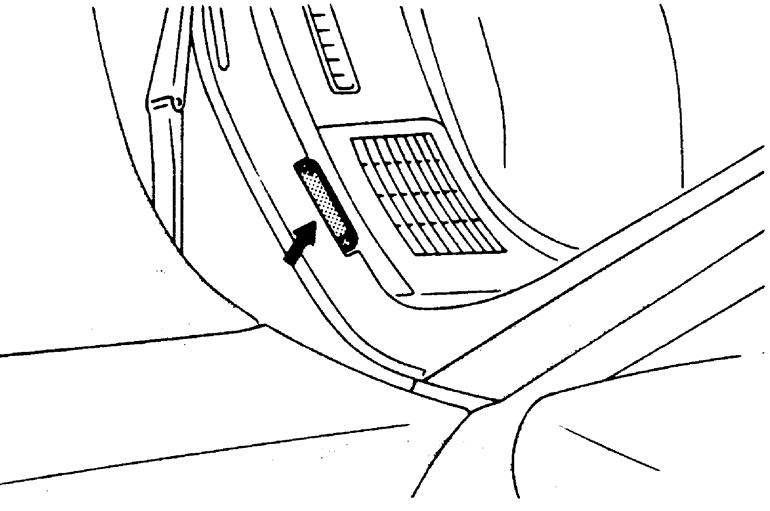
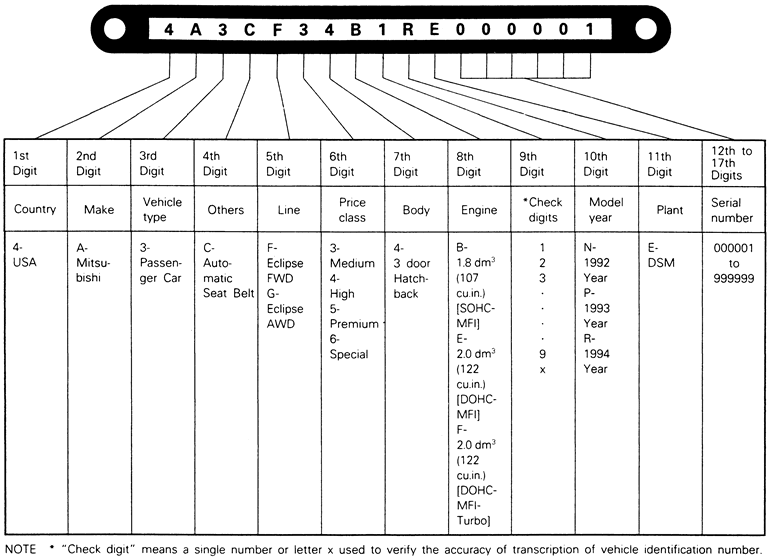
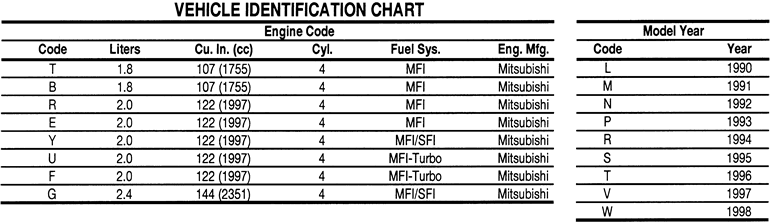
The Vehicle Identification Number (VIN) is located on a plate which is attached to the left top side of the instrument panel. These numbers are visible from the outside of the vehicle. All Vehicle Identification Numbers contain 17 digits. The vehicle number is a code which tells country, make, vehicle type, engine, body and many other important characteristics of that specific vehicle.
| Fig. 1: The Vehicle Identification Number (VIN) plate
is attached to the top left side of the instrument panel
|
| Fig. 2: Example of the VIN breakdown
|
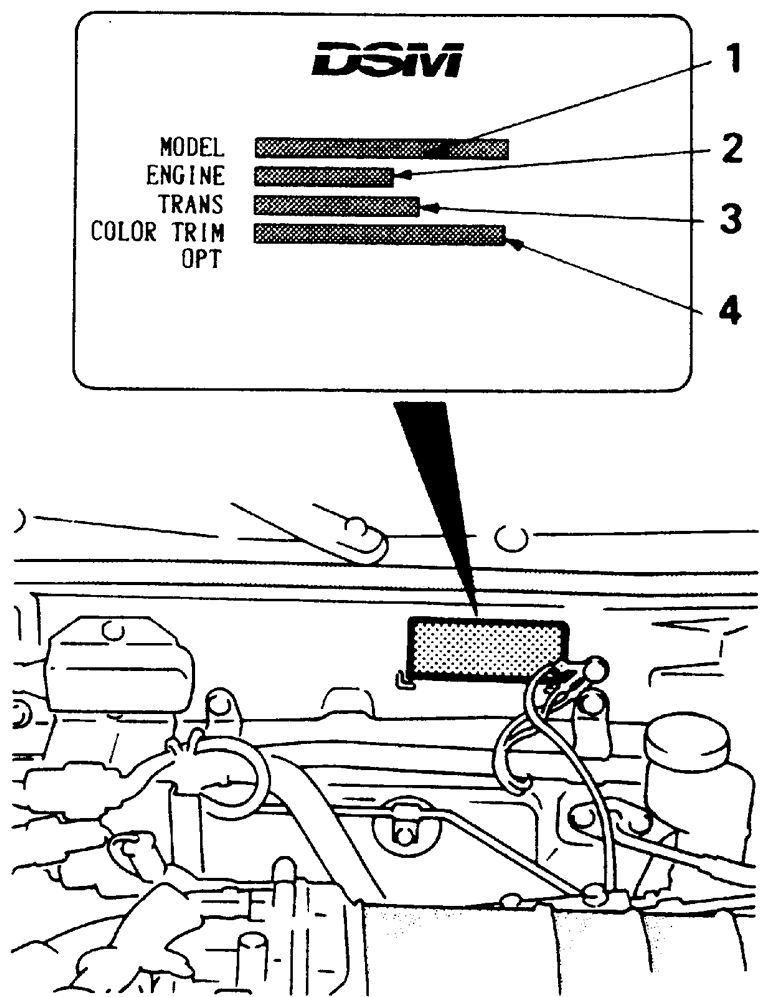
There is also a vehicle information code plate which is riveted to the bulkhead in the engine compartment. The plate shows the VIN, model code, engine model, transaxle model and body color codes. The engine code used on this plate differs from the code letter used in the 8th position of the Vehicle Identification Number (VIN). Either code can be used to identify the particular engine in the vehicle. Since the vehicle owners card is usually carried, it may be easier to use the code letter in the VIN for engine reference. A second reason for referring to the VIN for engine identification is that code 4G63, located on the vehicle information code plate, does identify the engine as a 2.0L DOHC engine, but does not tell you if the engine is equipped with a turbocharger. If the 8th VIN number is a U, there is no doubt that the engine in question is a 2.0L DOHC engine equipped with a turbocharger.
The engine codes found on the vehicle information code plate are as follows:
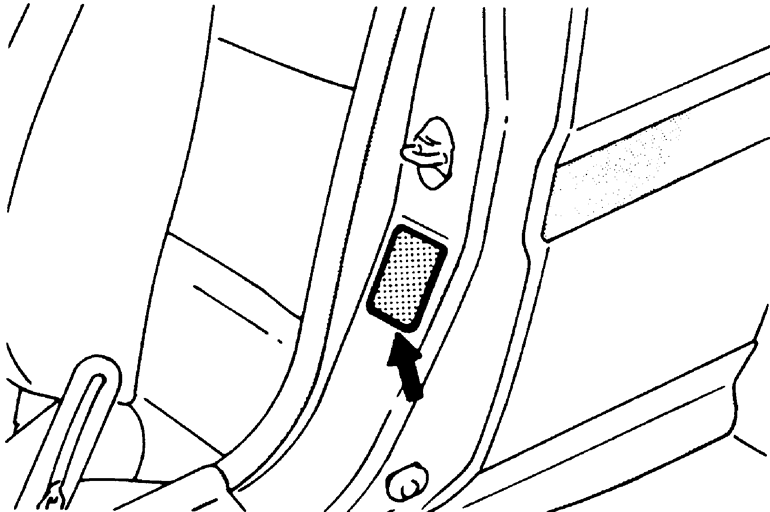
A vehicle safety certification label is attached to the face of the left door pillar post. This label indicates the month and year of manufacture, Gross Vehicle Weight Rating (GRVW) front and rear, and Vehicle Identification Number (VIN).
| Fig. 3: The vehicle model, engine model, transaxle model,
and body color code are all noted on the vehicle information code plate
|
| Fig. 4: Your car should have a vehicle safety certification
label attached to the face of the left door pillar post
|
|
|