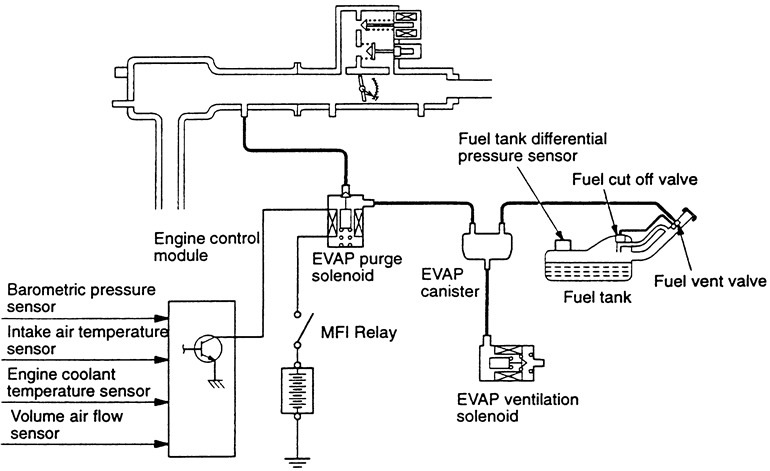
The function of this control system is to prevent the emissions of gasoline vapors from the fuel tank into the atmosphere. When fuel evaporates in the fuel tank, the vapors pass through vent hoses or tubes to a charcoal canister. There they are temporarily held until they can be drawn into the intake manifold when the engine is running and burned the combustion process during engine operation. This action prevents excessive pressure buildup in the fuel tank.
| Fig. 1: Typical evaporative emission control system schematic
|
The system also prevents fuel spillage in the event of an accidental roll over of the vehicle. All vehicles have a roll over (two-way) valve installed in-line above the tank to release fuel tank pressure to the canister and to prevent fuel from leaking in the event of an accidental vehicle roll over.
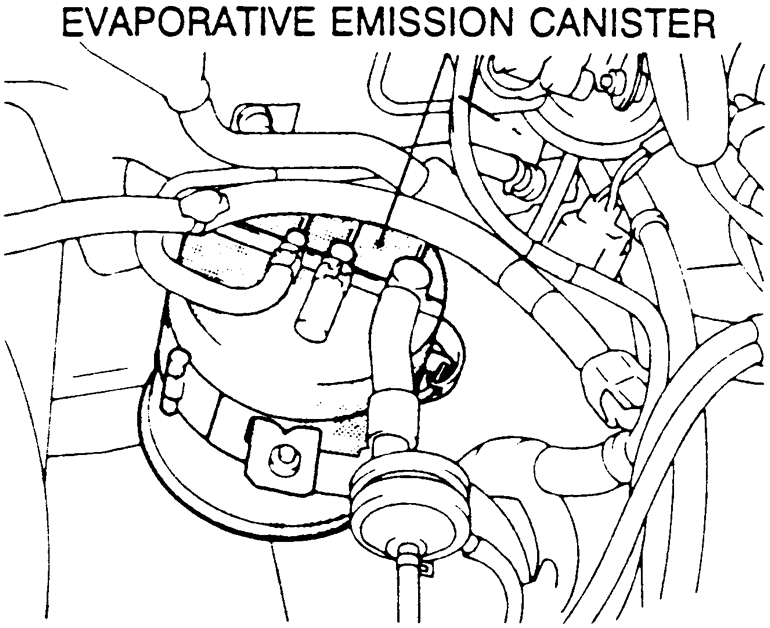
A sealed, maintenance free charcoal canister is used on all vehicles. The fuel tank vents lead to the canister. Fuel vapors are temporarily held in the canister's activated charcoal until they can be drawn into the intake manifold and burned in the combustion chamber. There is no scheduled maintenance interval on the charcoal canister.
| Fig. 2: Evaporative emission canister used on the 1.8L
engine — other models similar
|
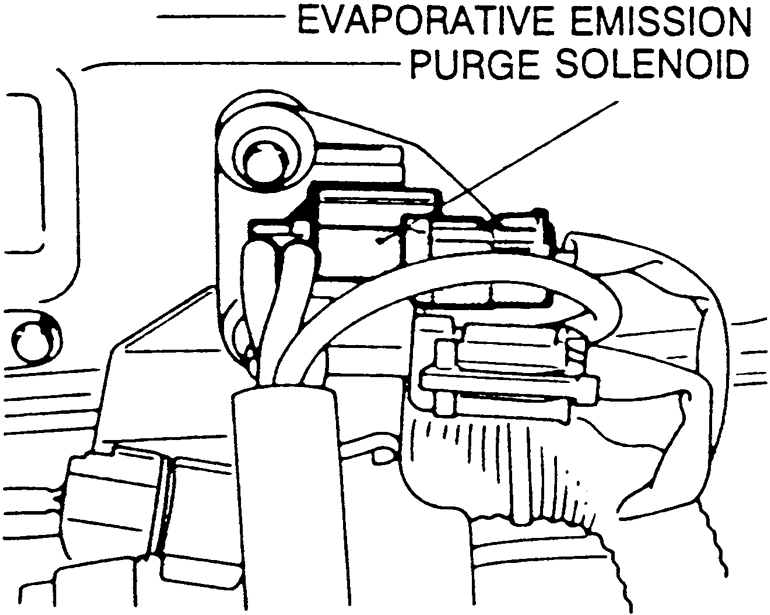
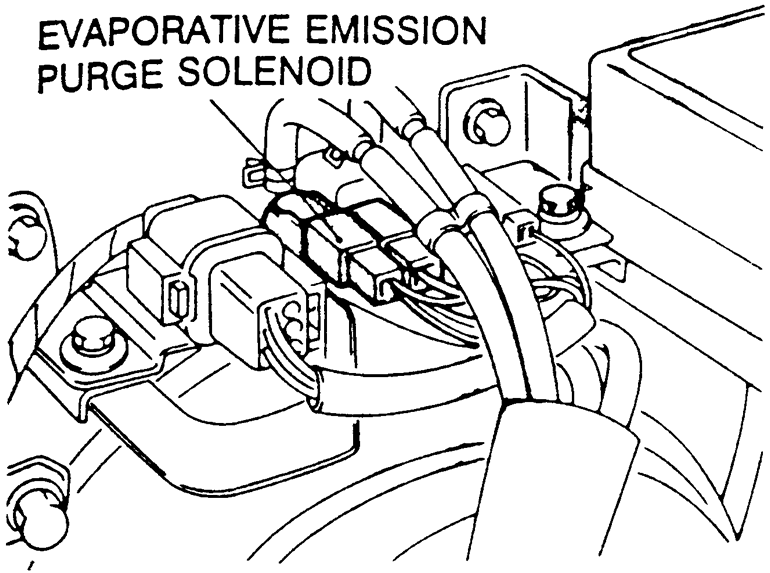
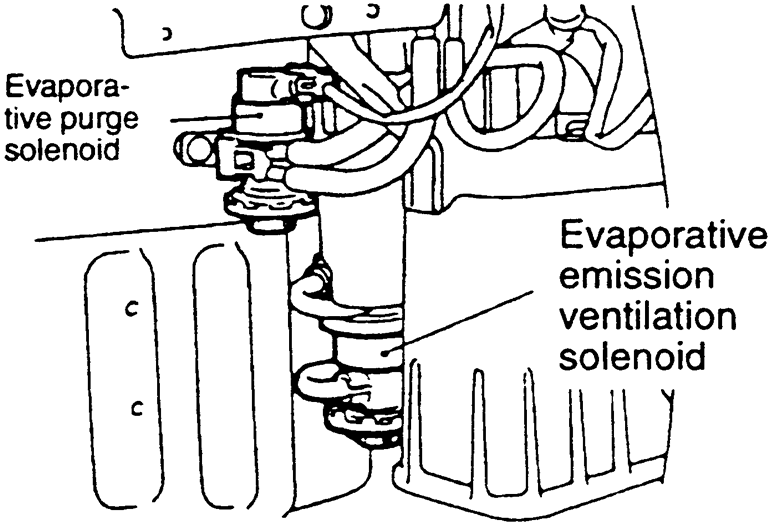
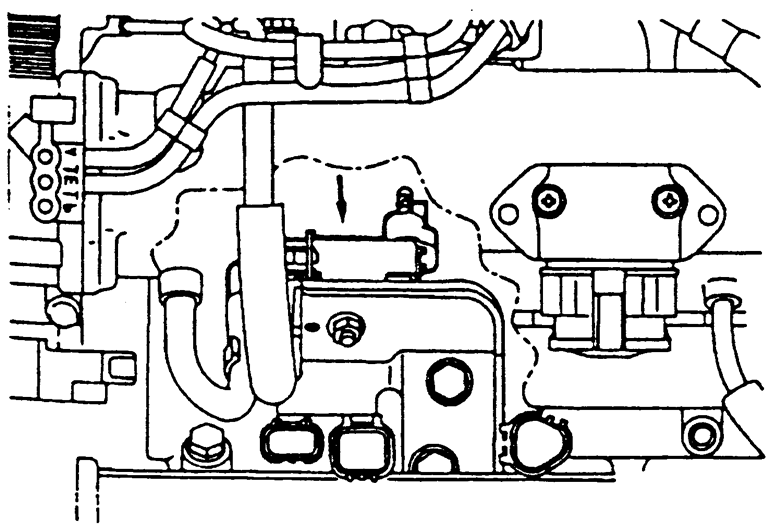
The canister is connected to the engine via a purge control solenoid; a purge control valve is added to the system on turbo engines. The purge control solenoid is located as follows:
| Fig. 3: Evaporative emission purge solenoid location–1.8L
engine shown, early 2.0L non-turbo engines similar
|
| Fig. 4: Location of the evaporative emission purge
solenoid — 1990–94 2.0L turbo engine shown,
later models similar
|
| Fig. 5: Evaporative emission purge and ventilation
solenoid locations — 1995–98 2.0L non-turbo
engine
|
| Fig. 6: Location of the evaporative emission purge
solenoid — 2.4L engine
|