Previous Next

REMOVAL & INSTALLATION

EGR Valve
  1. Disconnect the negative battery cable.
  2. Remove the air cleaner and intake hoses as required.
  3. Tag and disconnect the vacuum hose from the EGR valve.
  4. Remove the mounting bolts and the EGR valve from the engine.
  5. Clean the mating surfaces on the valve and the engine. Make sure to remove all gasket material.
  6. Inspect the valve for a sticking plunger, caused by excess carbon deposits. If such a condition exists, clean with appropriate solvent so valve seats correctly.

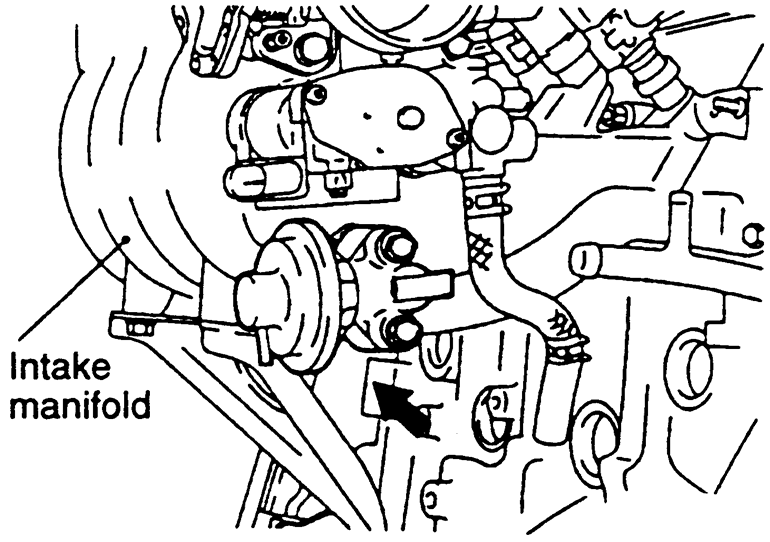
    Fig. 1: EGR valve location — late model 2.0L turbo engine shown, others similar

    To install:

  7. Install EGR valve with a new gasket in place.
  8. Install the mounting bolts and tighten as follows:
  9. Connect the vacuum hose to the EGR valve.
  10. Install the air cleaner and air intake hoses as required.
  11. Connect the negative battery cable.
EGR Temperature Sensor
  1. Disconnect the negative battery cable.
  2. Detach the electrical connector from the sensor.
  3. Remove the sensor from the engine.

    To install:

  4. Install the sensor to the engine and tighten to 8 ft. lbs. (12 Nm).
  5. Attach the electrical connector to the sensor.
  6. Connect the negative battery cable.
Thermal Vacuum Valve
  1. Disconnect the negative battery cable.
  2. Detach the vacuum line from the thermo valve.
  3. Using a wrench, remove the valve from the engine.

    NOTE: When removing or installing the valve, do not allow wrenches or other tool to contact the resin part of the valve. Damage to the valve may occur.

  4. Inspect the vacuum hose for cracks and replace as required.

    To install:

  5. Apply sealant to the threads of the thermo valve and install into the engine.
  6. Tighten the valve to 15–30 ft. lbs. (20–40 Nm). When installing the valve, do not allow the wrench to come in contact with the resin part of the valve.
  7. Attach the vacuum hose to the valve.
  8. Connect the negative battery cable.
EGR Solenoid
  1. Disconnect the negative battery cable.
  2. Label and disconnect the vacuum hoses from the EGR solenoid.
  3. Disconnect the electrical harness from the solenoid.
  4. Remove the solenoid from the mounting bracket and replace as required.

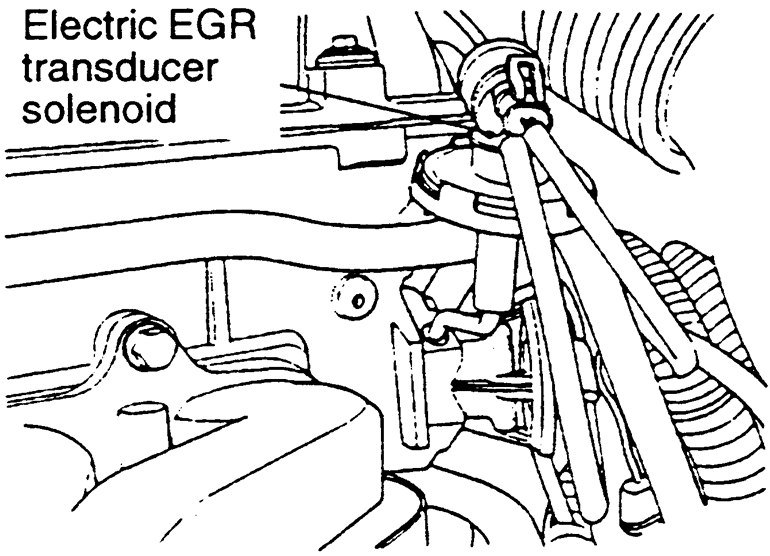
    Fig. 2: Location of the electric EGR transducer solenoid — 1995–98 2.0L non-turbo engine

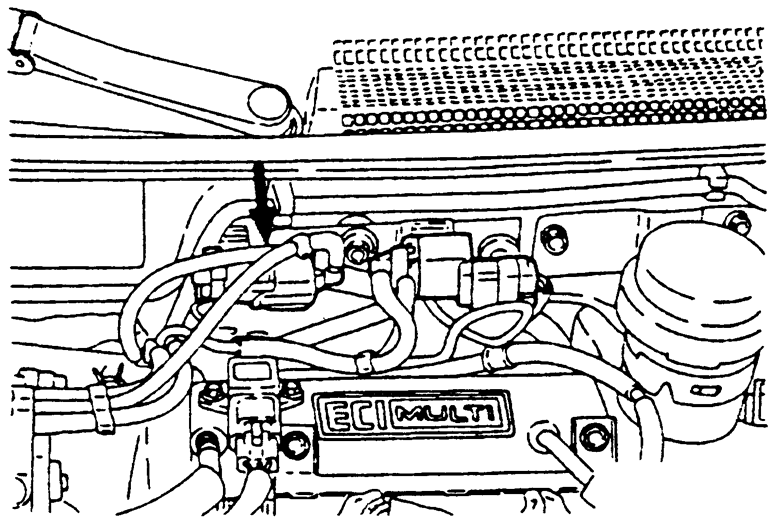
    Fig. 3: On most vehicles, the EGR solenoid is mounted to the firewall

    To install:

  5. Install the solenoid to the mounting bracket and secure in position.
  6. Attach the electrical connector.
  7. Connect the vacuum hoses to the solenoid making sure they are installed in their original location.
  8. Connect the negative battery cable.
Thermal Vacuum Valve
  1. Disconnect the negative battery cable.
  2. Disconnect the vacuum line from the thermo valve.
  3. Using a wrench, remove the valve from the engine.

    NOTE: When removing or installing the valve, do not allow wrenches or other tool to contact the resin part of the valve. Damage to the valve may occur.

  4. Inspect the vacuum hose for cracks and replace as required.

    To install:

  5. Apply sealant to the threads of the thermo valve and install into the engine.
  6. Tighten the valve to 15–30 ft. lbs. (20–40 Nm). When installing the valve, do not allow the wrench to come in contact with the resin part of the valve.
  7. Reconnect the vacuum hose to the valve.
  8. Reconnect the negative battery cable.
Manifold Differential Pressure Sensor
  1. Disconnect the negative battery cable.
  2. Unfasten the sensor electrical connector.

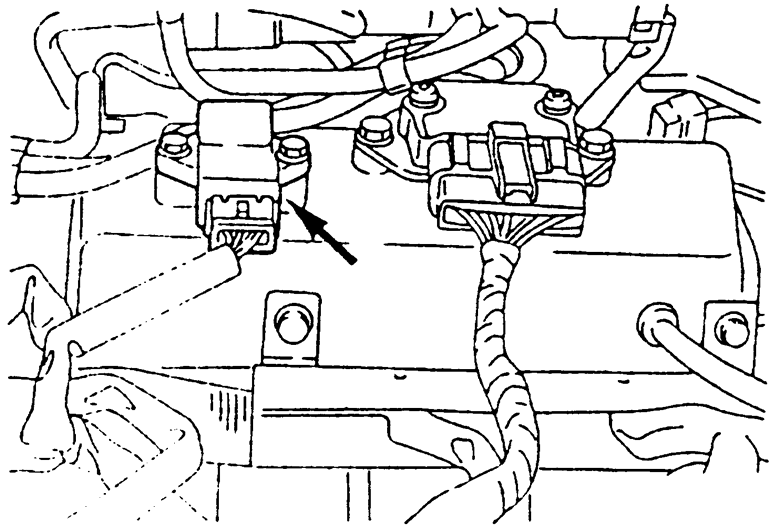
    Fig. 4: Manifold differential pressure sensor location — 1995–98 2.0L turbo engine

  3. Unfasten the retaining bolts, then remove the sensor from the vehicle.
  4. Installation is the reverse of the removal procedure.

Previous Next