Removal & Installation
2.4L Engine
To Remove:
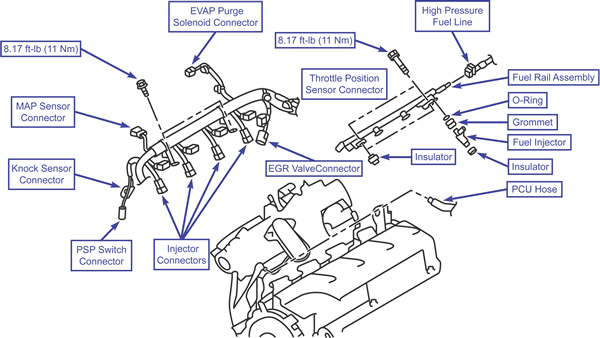
Fuel injector removal/installation (2.4L)
Relieve the fuel system pressure.
Disconnect the PCV hose.
Disconnect the connectors from the fuel injectors and ignition coils.
Disconnect the EGR valve, throttle position, MAP sensor, knock sensor, PSP switch and EVAP purge solenoid connectors.
Remove the rocker cover bracket bolts holding the wiring harness.
Disconnect the high pressure line from the fuel rail.
Remove the fuel rail mounting bolts.
Remove the fuel injectors from the fuel rail.
To Install:
Install the fuel injectors in the fuel rail with new O-rings. Lubricate the O-rings with engine oil.
Install the fuel rail and injectors.
Connect the high pressure line to the fuel rail.
Install the rocker cover bracket bolts holding the wiring harness.
Connect the EGR valve, throttle position sensor, MAP sensor, knock sensor, PSP switch and EVAP purge solenoid connectors.
Connect the connectors from the fuel injectors and ignition coils.
Connect the PCV hose.
Pressurize the fuel system by turning the key to on and check for leaks.
3.8L Engine
To Remove:
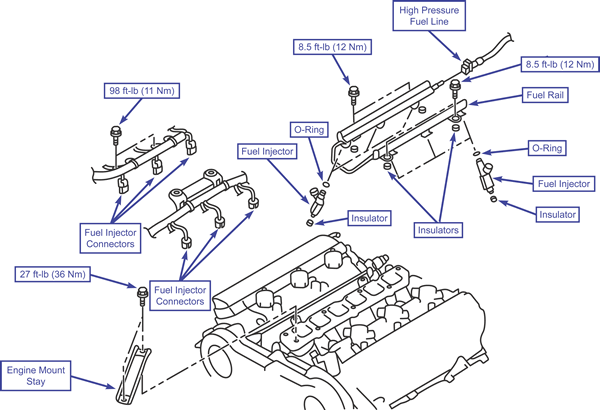
Fuel injector removal/installation (3.8L)
Relieve the fuel system pressure.
Remove the intake plenum.
Disconnect the injector connectors.
Remove the engine control harness mounting bolts.
Remove the engine mounting stay.
Disconnect the high pressure line from the fuel rail.
Remove the fuel rail mounting bolts.
Remove the fuel injectors from the fuel rail.
To Install:
Install the fuel injectors in the fuel rail with new O-rings. Lubricate the O-rings with engine oil.
Install the fuel rail and injectors.
Connect the high pressure line to the fuel rail.
Install the engine mounting stay.
Install the engine control harness mounting bolts.
Connect the injector connectors.
Install the intake plenum.
Pressurize the fuel system by turning the key to on and check for leaks.