Previous Next

OIL LEVEL CHECK

As often as you stop for fuel, check the engine oil as follows:

  1. Park the vehicle on a level surface (if the vehicle is not level, the reading will not be completely accurate).

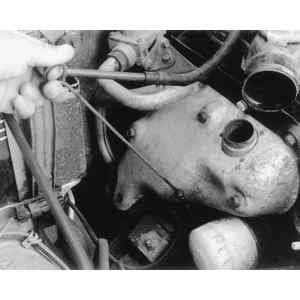
    Fig. 1: Use the oil dipstick to check the oil level

  2. If the vehicle has been running, stop the engine and allow it to sit for a full three minutes. If the engine is cold, check the oil before starting it. It does not matter whether the oil is hot or cold, as long as it has had time to drain out of the engine itself and into the oil pan.

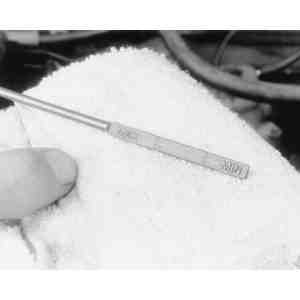
    Fig. 2: Fill the engine slowly with oil until the oil level registers between the MAX and MIN marks

  3. Open the hood and locate the dipstick (refer to the owner's manual, if necessary). It consists of a ring-like handle running into a tube which is connected to the engine. Pull the dipstick out and wipe all the oil off the bottom with a clean rag. If this is not done, you will not get an accurate reading of the oil level.
  4. Re-insert the dipstick and make sure it goes all the way into the tube. Then, pull it out and read it on the side with the oil level scale (two lines, two dots, etc.).
    1. If the oil level is above the lower line, although the oil level is high enough, you should still add enough oil to bring the level up to the upper mark. Usually the amount of oil needed to bring the level from the lower mark to the upper mark is one quart, however you should fill the oil slowly and check often. It is important not to overfill the engine.
    2. If it is right near or at the lower line, add oil slowly ( 13 or 12 quart) and check the level often. Fill the oil up to the upper mark, but do not overfill.
    3. If the oil is below the lower line, add oil, 13 or 12 quart at a time, until the level is at the upper mark. A beginning level below the lower line indicates that either you are not checking the oil level frequently enough or that the engine is using too much oil.

      NOTE: Running the engine with the oil below the lower line may contribute to excessive heat and dirt in the oil, and will leave you with insufficient reserve to allow for normal oil consumption — you could run out on the road. However, you should not add oil to the point where the level is significantly above the upper line. Under these conditions, the rotating crankshaft will cause the oil to foam, which can be damaging to the engine and will sometimes cause valve train noise.
  5. To add oil, unscrew the cap on the valve cover on top of the engine and pour the oil into the engine. Avoid letting any dirt get into the engine, and make sure to reinstall the cap before starting the engine.

Previous Next