Inspect the tires regularly for wear and damage. Remove stones or other foreign particles which may be lodged in the tread. If tread wear is excessive or irregular it could be a sign of front end problems, or simply improper inflation.
The inflation should be checked at least once per month and adjusted if necessary. The tires must be cold (driven less than one mile) or an inaccurate reading will result. Do not forget to check the spare tire.
The correct inflation pressure for your vehicle can be found on a decal mounted in either the glove box or on the driver's side door jam. If you cannot find the decal a local tire dealer or your Mitsubishi dealer can furnish you with this information. An additional source for tire pressure information may be the vehicle owner's manual.
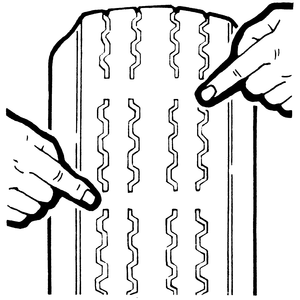
Inspect tires for uneven wear that might indicate the need for front end alignment or tire rotation. Tires should be replaced when a tread wear indicator appears as a solid band across the tread.
When you buy new tires, give some thought to these points, especially if you are switching to larger tires or to another profile series (50, 60, 70, 78):
NOTE: Dimensions of tires marked the same size may vary significantly, even among tires from the same maker.
The only sure way to avoid problems with these points is to stick to tire and wheel sizes available as factory options.
| Fig. 2: Tread wear indicators will appear when the
tire is worn out
|
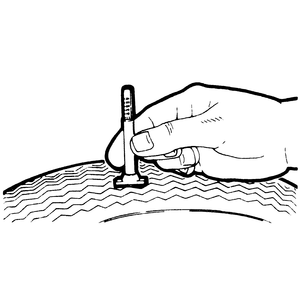
| Fig. 3: Tread depth can also be checked with an inexpensive
gauge
|
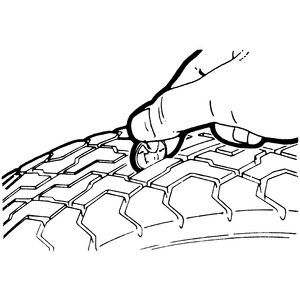
| Fig. 4: A penny works well for checking tread depth;
when the top of Lincoln's head is visible, it's time for new tires
|