Previous Next

Rear Axle Housing

REMOVAL & INSTALLATION

Axle With Leaf Springs
  1. Loosen the lug nuts on the two rear wheels. Only loosen them1/2of a turn at the most.
  2. Raise the vehicle and support it safely on jackstands. Make sure the jackstands are under the frame rails, not the rear axle.
  3. Drain the differential fluid into a pan or similar container.
  4. Remove the wheels. Remove the brake drums.

    CAUTION
    Brake pads and shoes may contain asbestos, which has been determined to be a cancer causing agent. Never clean the brake surfaces with compressed air! Avoid inhaling any dust from brake surfaces! When cleaning brakes, use commercially available brake cleaning fluids.

  5. Remove the parking brake cable attaching bolts, disconnect the cables from the shoes and unclip them from the backing plates. Disconnect the cables from the parking brake equalizer bracket. Remove the right side parking cable heat protector plate.
  6. Drain the brake fluid from the bleeder screw at the right side of the rear brake into a suitable container. Disconnect the brake hose at the T-fitting.
  7. Slide the spring clip back on the breather hose, then pull the hose off of the differential case nipple.
  8. Remove the load sensing proportioning valve spring support, if equipped.
  9. Matchmark and remove the rear driveshaft.
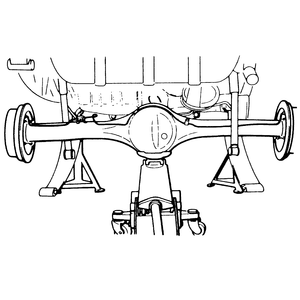
  10. Place a suitable jack under the center of the differential housing and support it slightly. If two jacks or two more stands are available, place them supporting the left and right axle tubes. Unbolt the shocks from their lower mounts.
  11. Remove the U-bolts and the bump stoppers. Loosen and disconnect the rear shackle assemblies and lower the rear end of the leaf springs.
  12. Lower the axle and remove it from the vehicle. If only one jack is used, the unit will be balanced on the differential. Have a helper steady the unit while it is removed.

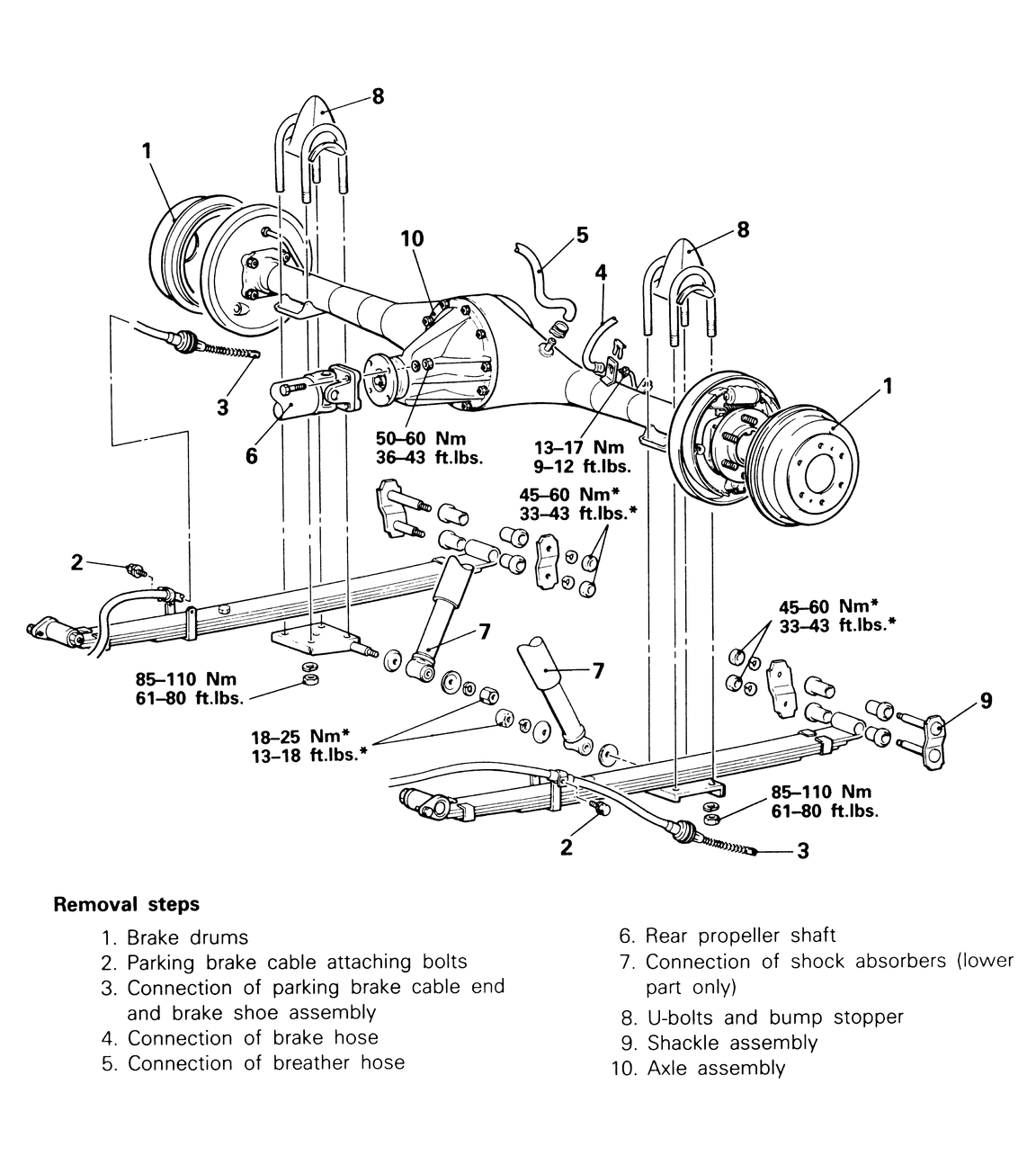
    Fig. 1: Rear axle assembly removal and installation — Pick-ups and Monteros with leaf springs

    Fig. 2: Having a friend to help stabilize the axle when removing it will help quite a bit

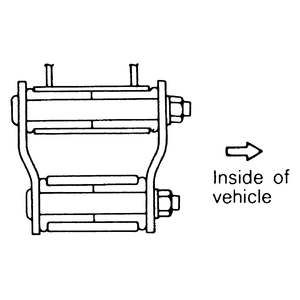
    Fig. 3: Make sure to mount the rear shackles in the correct order

    To install:

  13. Raise the axle assembly into position and install the rear end of the leaf springs. Make sure the shackle nuts are on the inside of the shackles and that the bushings are in good condition, otherwise replace them with new ones. Tighten the nuts fully when the vehicle has been lowered to the ground.
  14. Position the rear axle over the mounting pads, then install the U-bolts and bump stoppers over the axle. Tighten the U-bolt nuts fully when the vehicle has been lowered to the ground.
  15. Install the lower shock mounting bolts loosely; do not tighten the nuts fully until the vehicle is lowered to the ground.
  16. Install the driveshaft — refer to the procedures in this section. Tighten the driveshaft rear bolts and nuts to 36–43 ft. lbs. (50–60 Nm).
  17. Install the breather hose, if equipped, and secure it in place with the spring clip.
  18. Connect the brake hose flare nut and tighten to 9–12 ft. lbs. (13–17 Nm).
  19. Connect the parking brake cables and install the retaining bolts.
  20. Install the load sensing spring support and spring, if equipped.
  21. Level the vehicle and fill the differential with hypoid gear oil until it starts to flow out the fill hole.

    NOTE: If the vehicle is equipped with a limited slip differential, add the proper amount of limited slip friction modifier additive before filling the differential with gear oil.
  22. Bleed the rear brakes — refer to Section 9 for these procedures. Install the drums and tire and wheel assemblies.
  23. Lower the vehicle so that the full weight of the vehicle is on the ground. Unload any excess weight that is weighing down the rear of the vehicle. Tighten the shackle nuts to 33–43 ft. lbs. (45–60 Nm). Tighten the U-bolt nuts to 61–80 ft. lbs. (85–110 Nm). Tighten the lower shock mounting nuts to 13–18 ft. lbs. (18–25 Nm).
  24. Adjust the load sensing proportioning valve lever, if so equipped, so that the distance from the proportioning valve lever to the spring support is about 7 in. (17.8cm).
  25. Road test the vehicle and check for leaks.
Axle With Coil Springs
  1. Loosen the wheel lug nuts. Only loosen the lug nuts at the most1/2of a turn.
  2. Raise the vehicle and support it safely with jackstands under the frame rails.
  3. Drain the differential fluid into a suitably-sized pan or similar container.
  4. Remove the wheels from the vehicle.
  5. For Monteros with rear drum brakes:
    1. Remove the brake drums by pulling the brake drums off of the brake assembly.

      CAUTION
      Brake pads and shoes may contain asbestos, which has been determined to be a cancer causing agent. Never clean the brake surfaces with compressed air! Avoid inhaling any dust from brake surfaces! When cleaning brakes, use commercially available brake cleaning fluids.

  6. For Monteros with rear disc brakes:
    1. Remove the two retaining bolts from the backs of the rear disc brake calipers. Pull the caliper off of the disc and suspend, with the brake attached, from the frame of the vehicle with stiff wire or strong cord.
    2. Pull the rear brake discs off of the assemblies.
  7. Remove the parking brake cable attaching bolts (or speed sensor attaching bolts), disconnect the cables from the shoes and unclip them from the backing plates.
  8. Disconnect the brake hose at the T-fitting.
  9. Disconnect the breather hose.
  10. Remove the mounting bolts for the spring support for the load sensing proportioning valve, then remove the spring support.
  11. For vehicles with rear differential lock:
    1. Disconnect the hose from the front of the differential unit.
    2. Unplug the rear differential lock position harness connector.
  12. For vehicles with ABS remove the speed sensor.
  13. Make the mating marks on the flange yoke of the rear propeller shaft and on the companion flange of the differential case.
  14. Remove the rear stabilizer bar attaching bolts, links and bushings.
  15. Place a suitable jack under the center of the differential housing and remove the rear trailing arm, if equipped.
  16. Remove the lateral rod.
  17. Unbolt the shocks from their lower mounts.
  18. Lower the axle housing enough to remove the coil springs and the stabilizer bar.
  19. Lower the axle assembly and remove it from the vehicle.

    CAUTION
    The rear axle assembly is unstable on the jack; be careful not to allow it to fall.

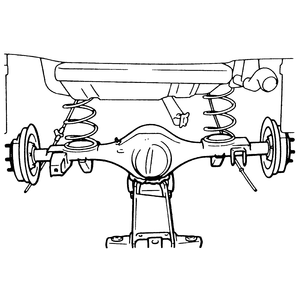
    Fig. 4: When lowering the rear axle, the coil springs can easily be removed

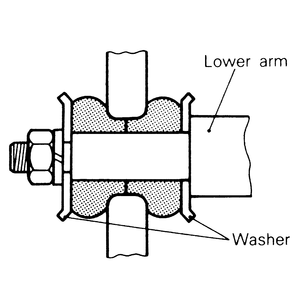
    Fig. 5: Install the lower arm washers so that the concave (dished) side faces out

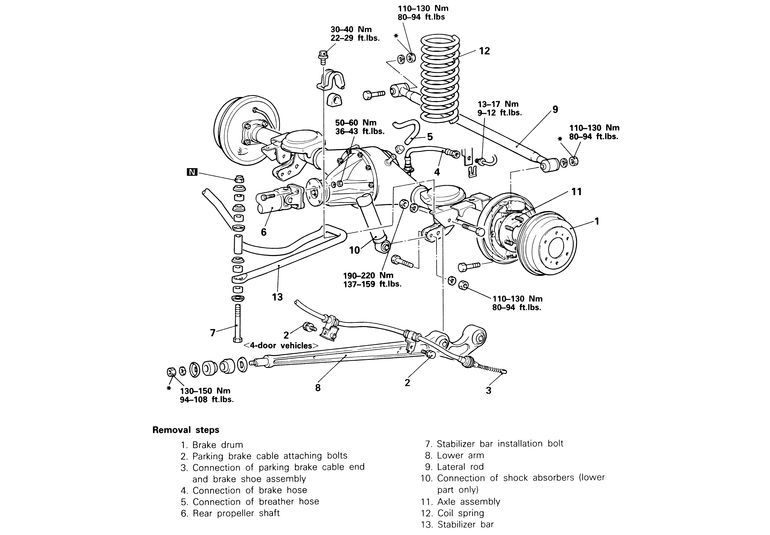
    Fig. 6: Rear axle assembly removal and installation — Monteros with rear drum brakes and coil springs

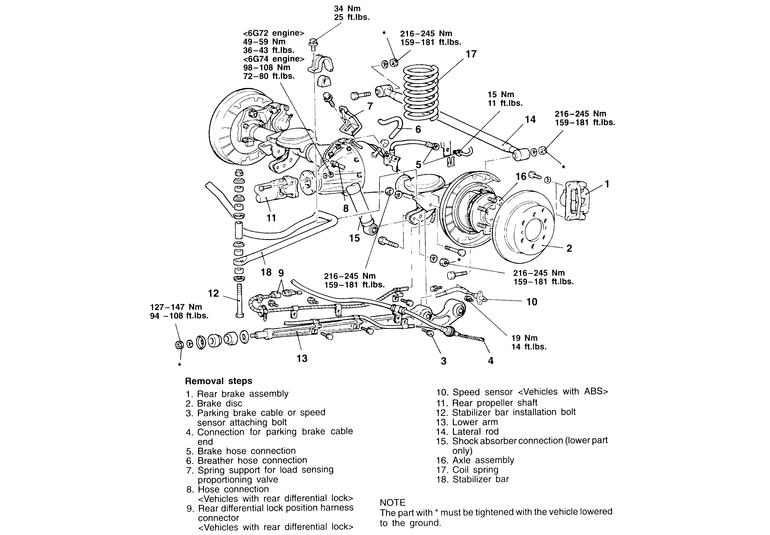
    Fig. 7: Rear axle assembly removal and installation — Monteros with rear disc brakes and coil brakes

    To install:

  20. With the coil springs and stabilizer bar in place, raise the axle assembly into place and install the lower shock mounting bolts.
  21. Install the lateral rod but do not tighten the nuts yet. Install it from the axle housing side.
  22. Assemble the trailing arm with its front mounting spacers, bushings and nuts. Make sure the washer's concave side faces away from the bushings.
  23. Install the trailing arm and tighten the rear mount nuts to 90 ft. lbs. (122 Nm) for rear drum brake equipped Monteros or to 159–181 ft. lbs. (216–245 Nm) for rear disc brake equipped Monteros. Do not tighten the front mounting nuts yet.
  24. Install the stabilizer bar and tighten the mounting nuts until the diameter of the bushing is the same as the diameter of the washers (the bushing will squash until the edges are lined up with the edges of the washers).
  25. Install the driveshaft (refer to the procedures in this section) and breather hose.
  26. Connect the parking brake cables and install the retaining bolts.
  27. Attach the speed sensor, the rear differential lock position harness connector and the spring support for the load sensing proportioning valve, if equipped.
  28. Level the vehicle and fill the differential with gear oil until it starts to flow out the fill hole.

    NOTE: If the vehicle is equipped with a limited slip differential, add the proper amount of limited slip friction modifier additive before filling the differential with gear oil.
  29. Bleed the rear brakes (refer to Section 9 for this procedure). Install the drums or discs and rear callipers.
  30. Install the wheels. Tighten the lug nuts as tight as possible with the wheels off the ground.
  31. Lower the vehicle so that the full weight of the vehicle is on the ground. Torque the lateral rod mounting nuts to 90 ft. lbs. (122 Nm) (170 ft.lbs (230 Nm) for rear disc brake equipped Monteros) and the front trailing arm mounting nuts to 100 ft. lbs. (150 Nm). Tighten the wheel lug nuts fully at this time.
  32. Road test the vehicle and check for leaks.

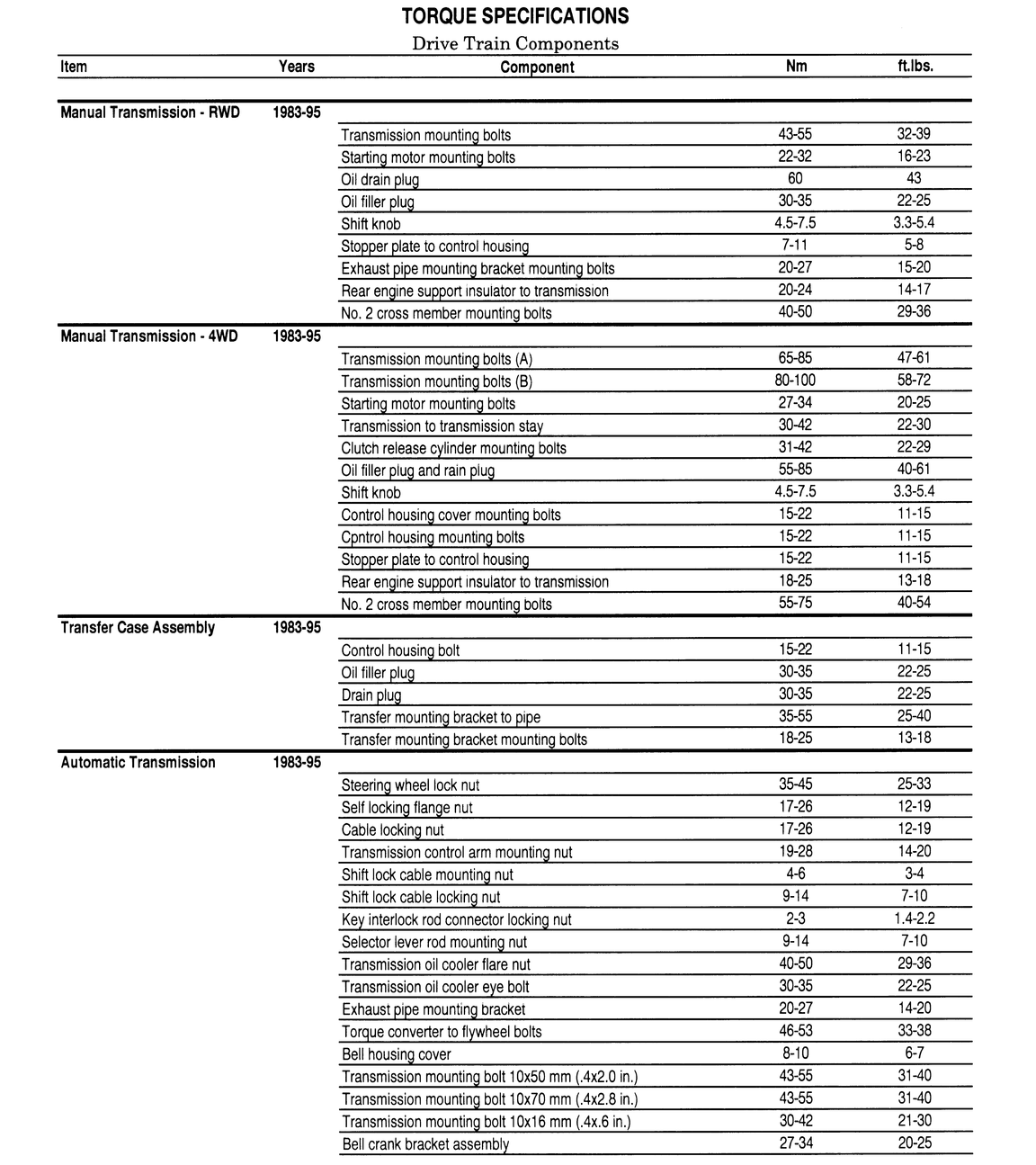
    TORQUE SPECIFICATIONS

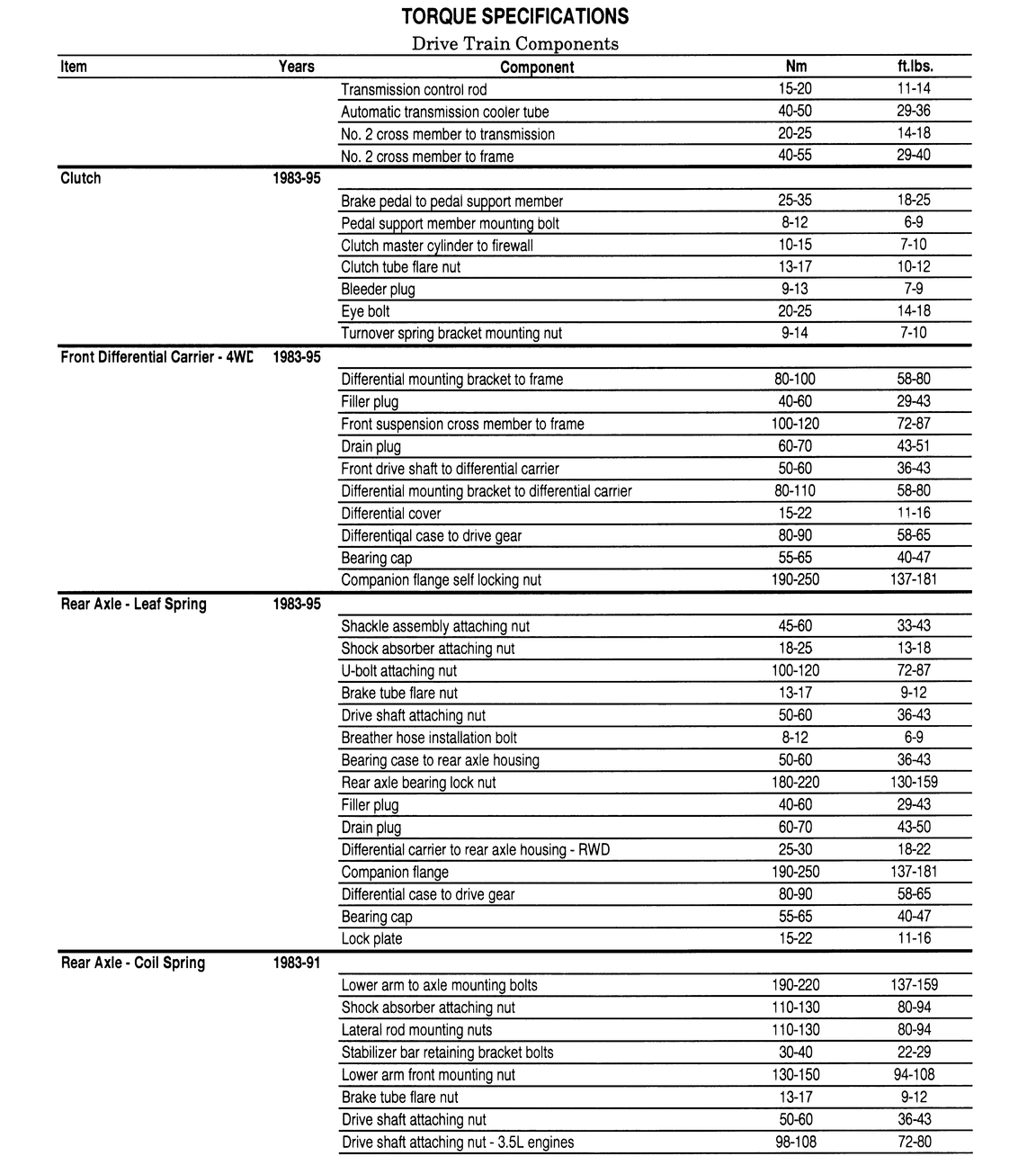
    TORQUE SPECIFICATIONS (CONT...)

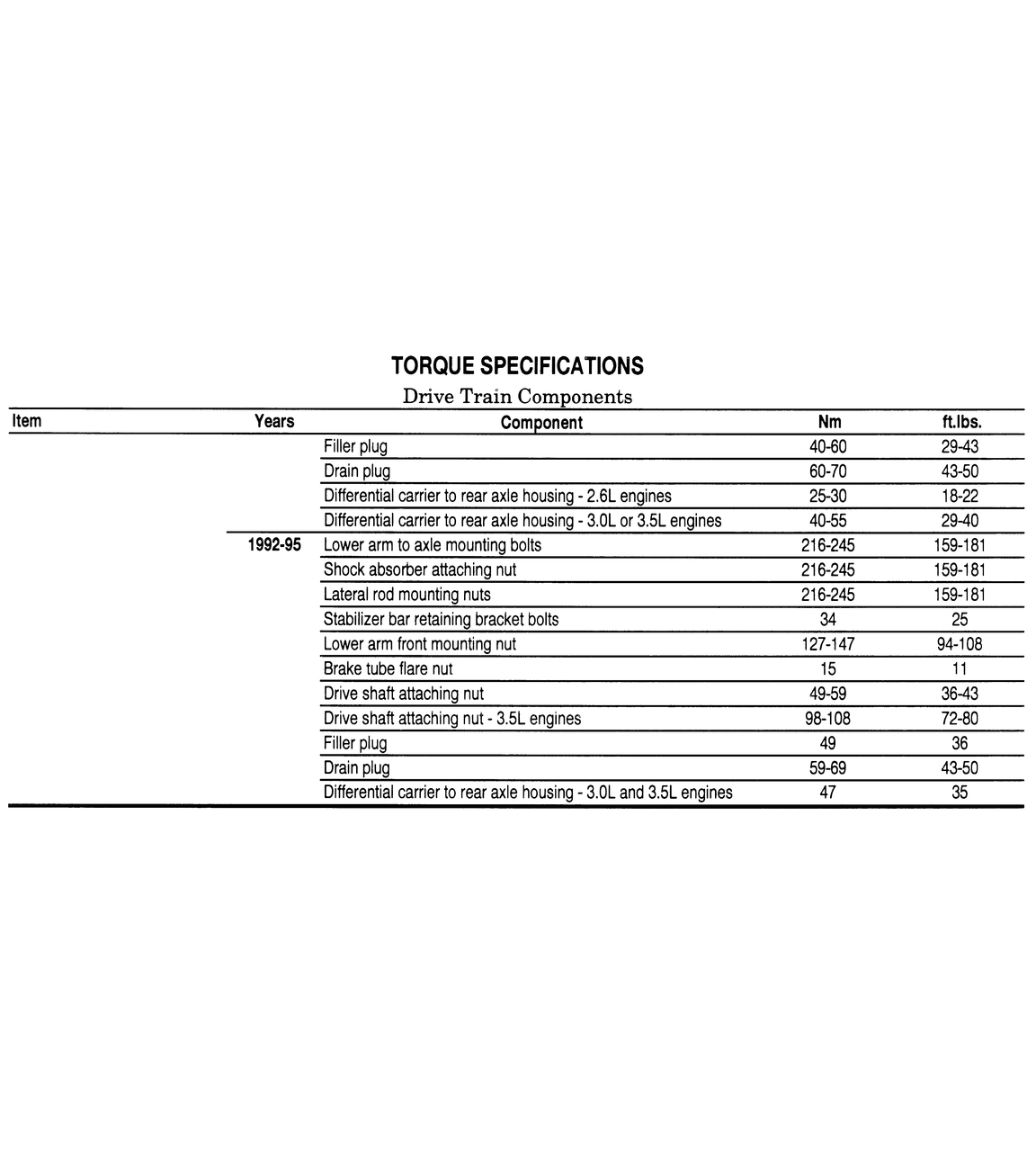
    TORQUE SPECIFICATIONS (CONT...)

Previous Next