NOTE: Whenever brake pads are replaced, replace them in complete sets; that is, replace the pads on both front wheels even if only one side is worn.
There are several combinations of shims, spacers and clips in use on Mitsubishi vehicles. When disassembling, work on one side at a time and pay attention to placement of these components. If you become confused during reassembly, refer to the other side for correct placement. To remove the brake pads:
WARNING
There is a coating of special grease on the lockpin. Be careful that this
grease is not removed, and that dirt does not contaminate the grease on
the pin.
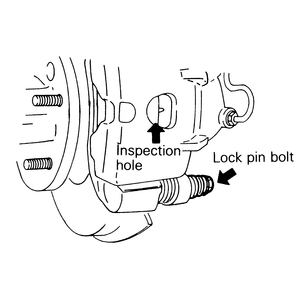
| Fig. 1: Use the inspection hole to check the thickness
of the front caliper brake pads
|
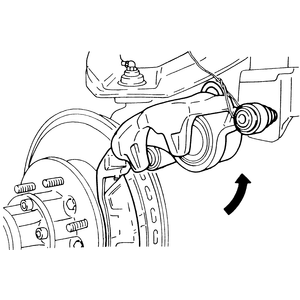
| Fig. 2: Remove the lockpin bolt from the caliper,
lift the caliper up and secure it in place with a wire or strong cord
|
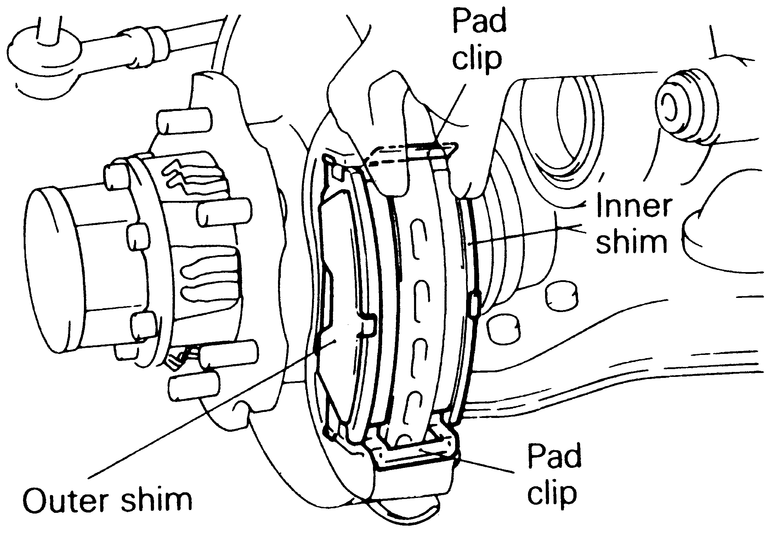
| Fig. 3: Note the positions of the various shims,
clips and pads so that reassembly is easier
|
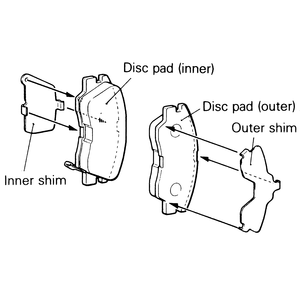
| Fig. 4: Before installing the new brake pads to the
caliper, install the outer and inner shims to the pads
|
NOTE: Keep the brake surface of each pad free of grease, oil and fluids during the installation. A greasy fingerprint or similar light contact may be removed with a commercial brake cleaning spray.
WARNING
Do NOT attempt to drive the vehicle immediately after lowering it to the
ground. The first two or three brake pedal applications may not provide
any brake response.
NOTE: Braking should be moderate for the first 10 miles (16 km) or so until the new pads seat correctly. The new pads will bed best if put through several moderate heating and cooling cycles. Avoid hard braking until the brakes have experienced several long, slow stops with time to cool in between. Taking the time to properly bed the brakes will yield quieter operation, more efficient stopping and contribute to extended brake life.