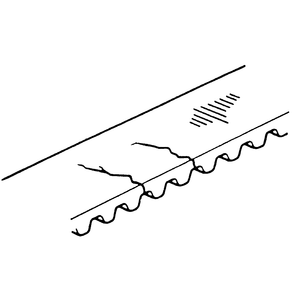
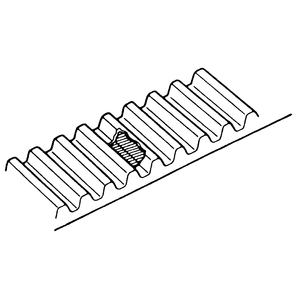
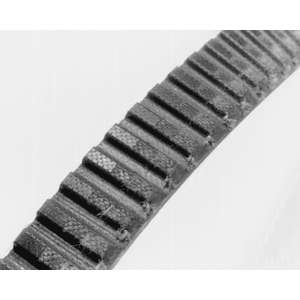
| Fig. 1: Look for noticeable cracks or wear on the belt
face
|
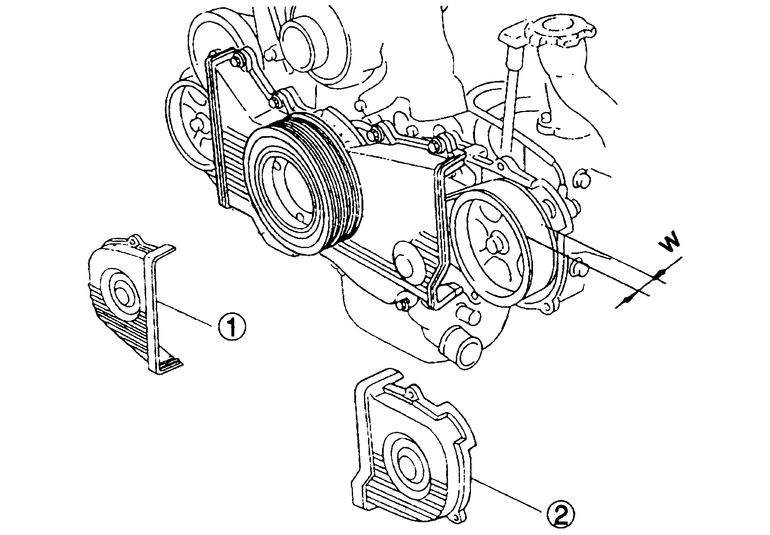
| Fig. 2: Remove the timing belt covers (1 and 2), and
measure the timing belt width (W)
|
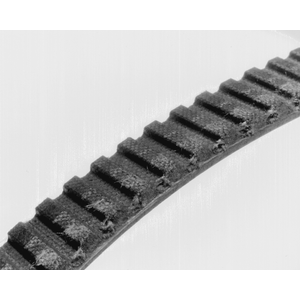
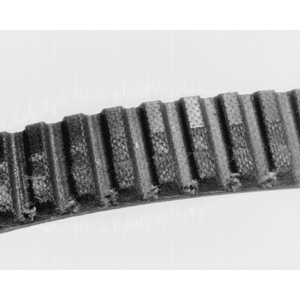
| Fig. 3: Inspect the timing belt for cracks, fraying,
glazing or damage of any kind
|
| Fig. 4: Damage on only one side of the timing belt may
indicate a faulty guide
|
| Fig. 5: Foreign materials can get in between the teeth
and cause damage
|
| Fig. 6: ALWAYS replace the timing belt at the interval
specified by the manufacturer
|