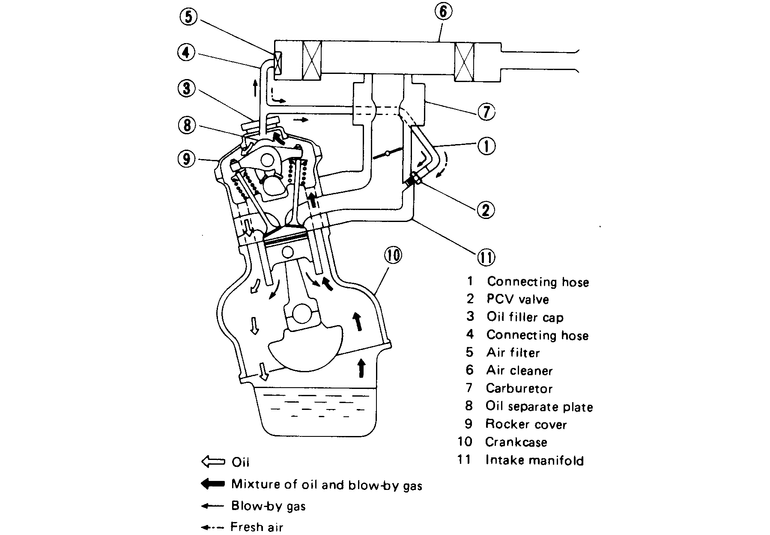
| Fig. 1: PCV system for a typical carbureted engine
|
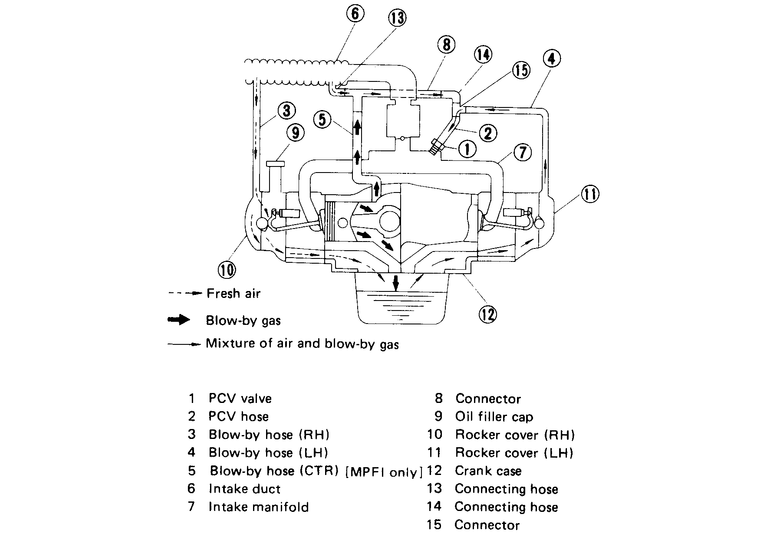
| Fig. 2: PCV system for a typical fuel injected engine
|
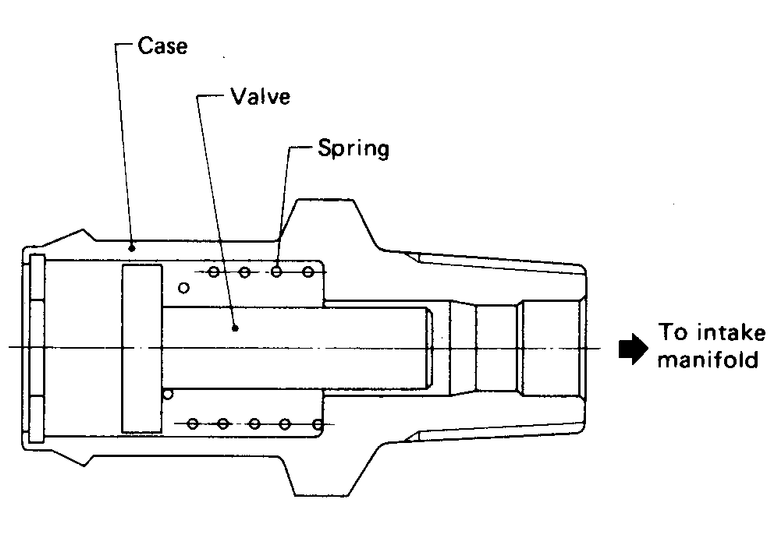
| Fig. 3: Cutaway view of a PCV valve
|
A Positive Crankcase Ventilation (PCV) system is used to help reduce emission of blow-by gasses into the atmosphere. The system consists of a sealed oil filler cap, rocker covers with an emission outlet and fresh air inlet, connecting hoses, PCV valve and air cleaner.
At part throttle, blow-by gas in the crankcase flows into the intake manifold through the PCV valve by the strong vacuum of the intake manifold. Under this condition, the fresh air is introduced into the crankcase through the rocker cover fresh air inlet.
At wide open throttle, a part of the blow-by gas flows into the air intake duct through the connecting hose and is drawn to the throttle chamber. The system uses this route because the reduced intake manifold vacuum is not able to draw the increased amount of blow-by gases generated by the wide open throttle condition through the PCV valve.