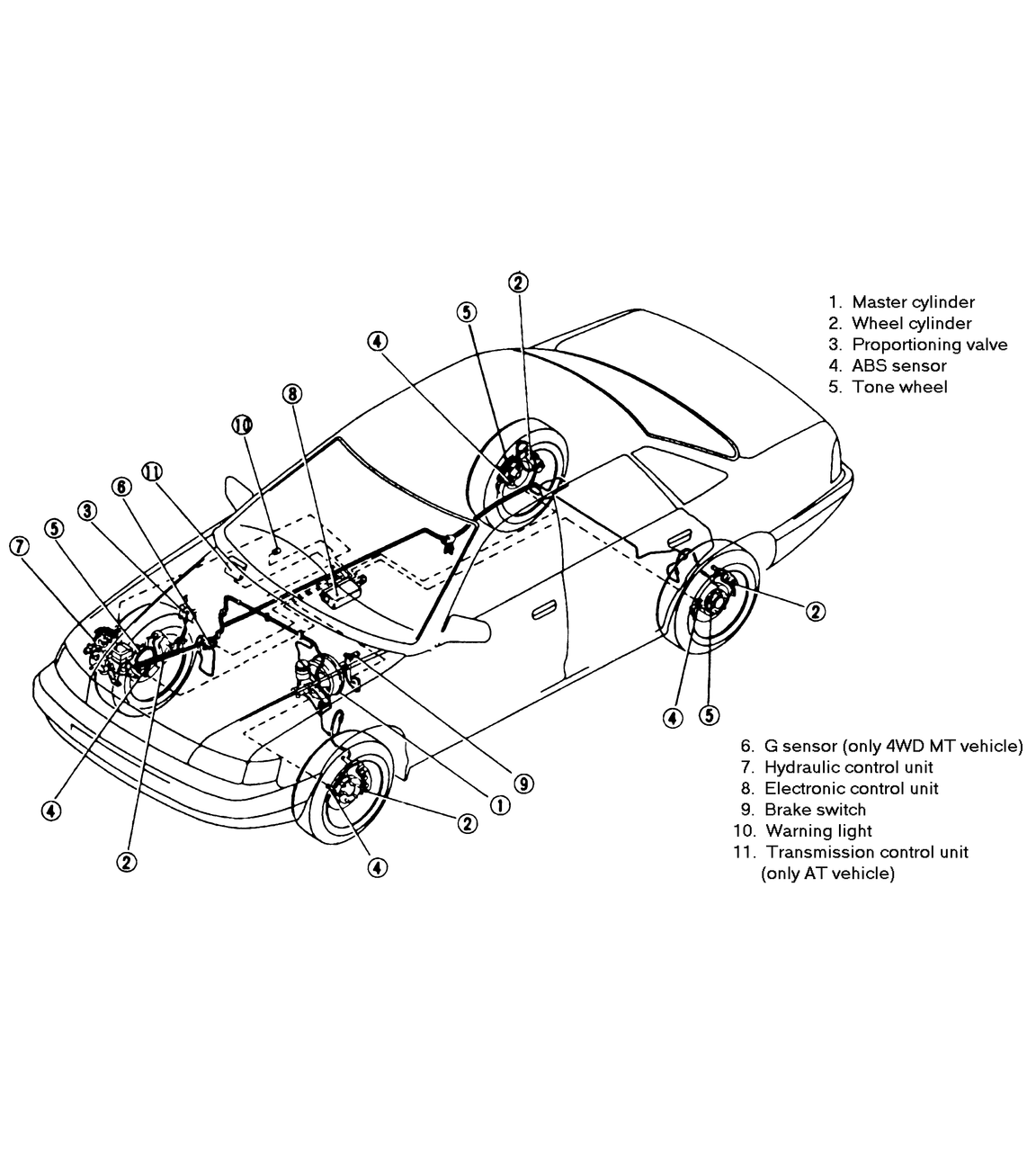
| Fig. 1: Location of ABS system components
|
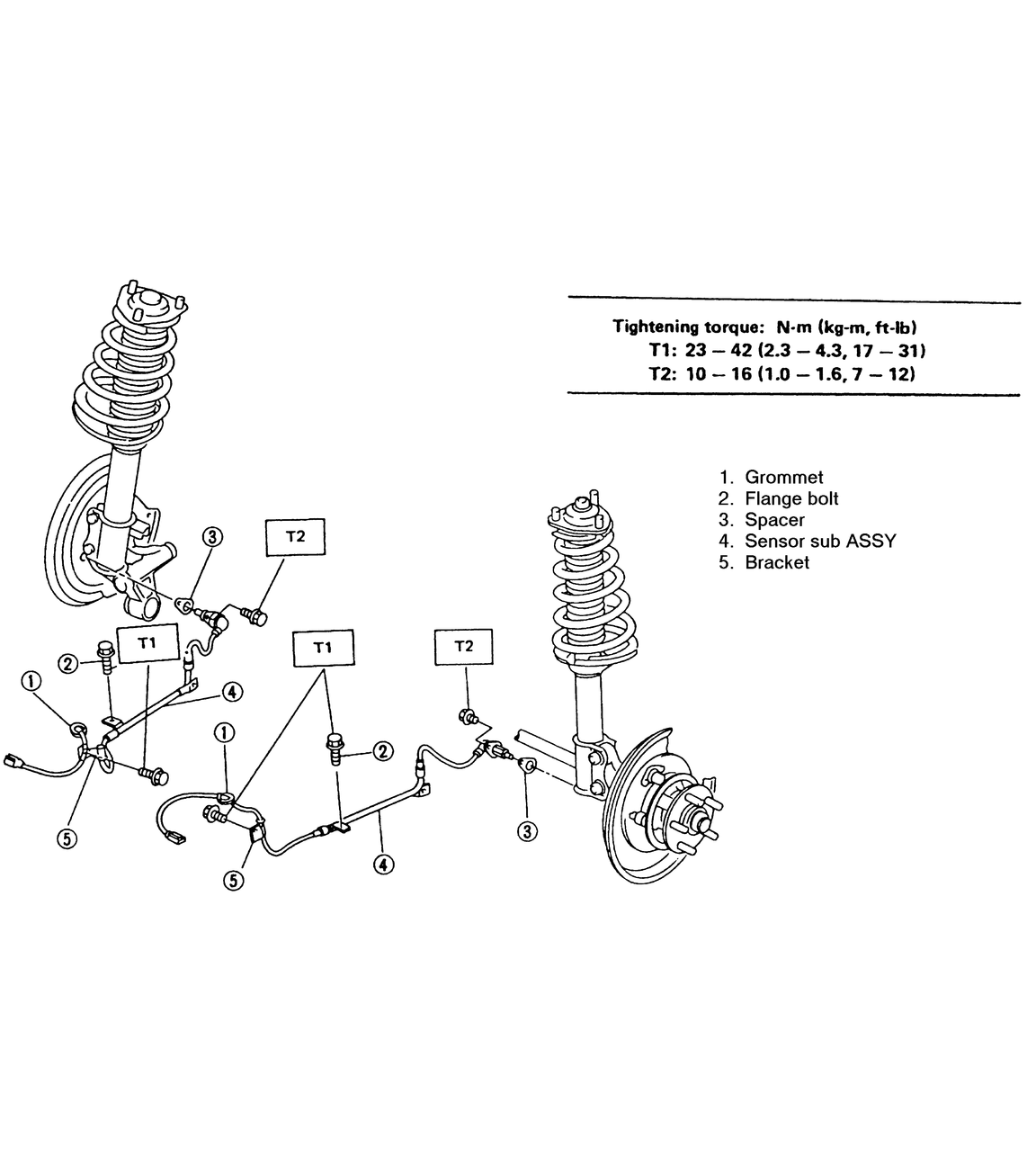
| Fig. 2: Rear ABS components
|
The speed of the front and rear wheels is monitored by the sensor. A toothed tone wheel rotates in front of the sensor, generating a small AC voltage which is transmitted to the ECU. The controller compares the signals and reacts to rapid loss of wheel speed at a particular wheel by engaging the ABS system. Each speed sensor is individually removable. In most cases, the toothed wheels may be replaced if damaged, but disassembly of other components such as hub and knuckle, constant velocity joints, or axles may be required.
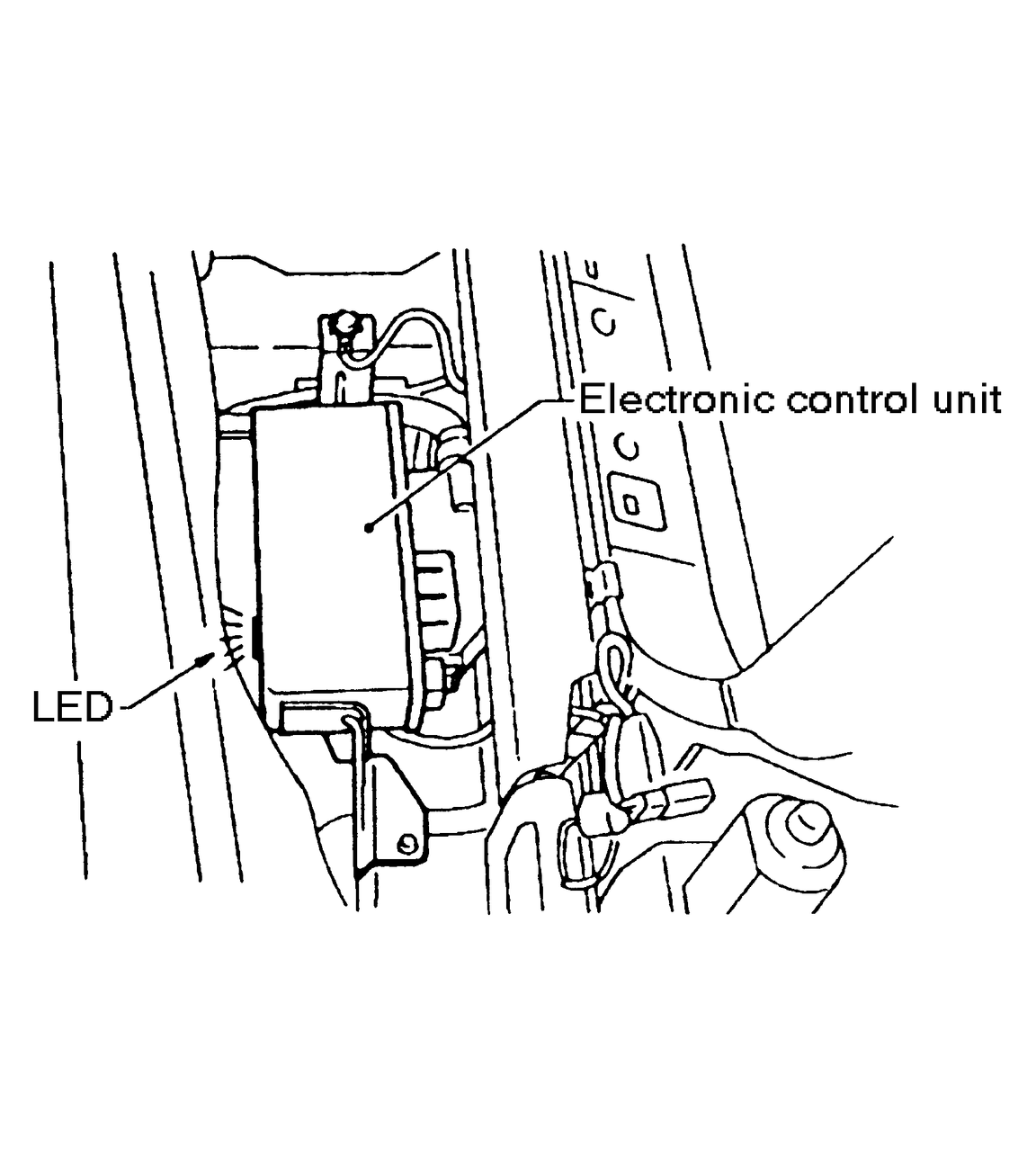
| Fig. 3: An example of an ABS control unit — Legacy
|
The solid-state control unit computes the rotating speed of the wheels by the signal current sent from each sensor. When impending lock-up is detected, the ECU signals the actuator solenoids to move to predetermined positions to control brake fluid pressure to the wheels. The control unit also controls the on-off operation of the solenoid valve relay and the pump relay.
The ECU constantly monitors the function of components within the system. If any electrically detectable fault occurs, the control unit will illuminate the dashboard warning light to alert the operator. When the dash warning lamp is lit, the ABS system is disabled. The vehicle retains its normal braking capabilities without the benefit of anti-lock.
The ECU will assign and store a diagnostic or fault code. The code may be read and used for system diagnosis. If more than one fault occurs, the system will only display the first code noted. Repairs must be made based on the first code, after which the vehicle must be road tested to expose any subsequent faults.
The ECU is located under the right front seat.
The actuator contains the solenoid control valves, pump and motor, reservoirs for temporary collection of brake fluid released from the lines as well as check and relief valves. The actuator is located at the right front of the engine compartment.
The relays and solenoids are controlled by the ECU. Under normal braking conditions, the solenoids are in the open or pressure-build position, allowing brake fluid to pass proportional to pedal pressure. During anti-lock function, the solenoids are commanded into positions to either hold or release brake fluid line pressures as required. When anti-lock function is no longer needed, the solenoids reset to the normal position. Additionally, if the ECU detects a system fault, the solenoids are immediately set to the normal or default position.
The control relays for the pump motor and solenoid valves are located externally on the actuator case. These relays are the only components on or in the actuator which may be replaced. Any failure within the actuator requires the unit to be replaced.
The ABS dashboard warning lamp is controlled by the ABS controller. The lamp will illuminate briefly when the ignition switch is turned ON as a bulb check. The lamp should then extinguish and remain out during vehicle operation. If only the ABS warning lamp illuminates while driving, the controller has noted a fault within the ABS system. ABS function is halted, but normal braking is maintained.
The red BRAKE warning lamp on the dashboard functions in the usual manner, warning of a fault within the hydraulic system. It is possible that a hydraulic fault within the ABS system will also trigger the BRAKE lamp. If both the ANTI-LOCK and BRAKE warning lamps are illuminated, great care must be taken in operating the vehicle; the function of the conventional brake system may be impaired.
During diagnosis of apparent ABS problems, make certain that the problem is not rooted in the normal brake system.
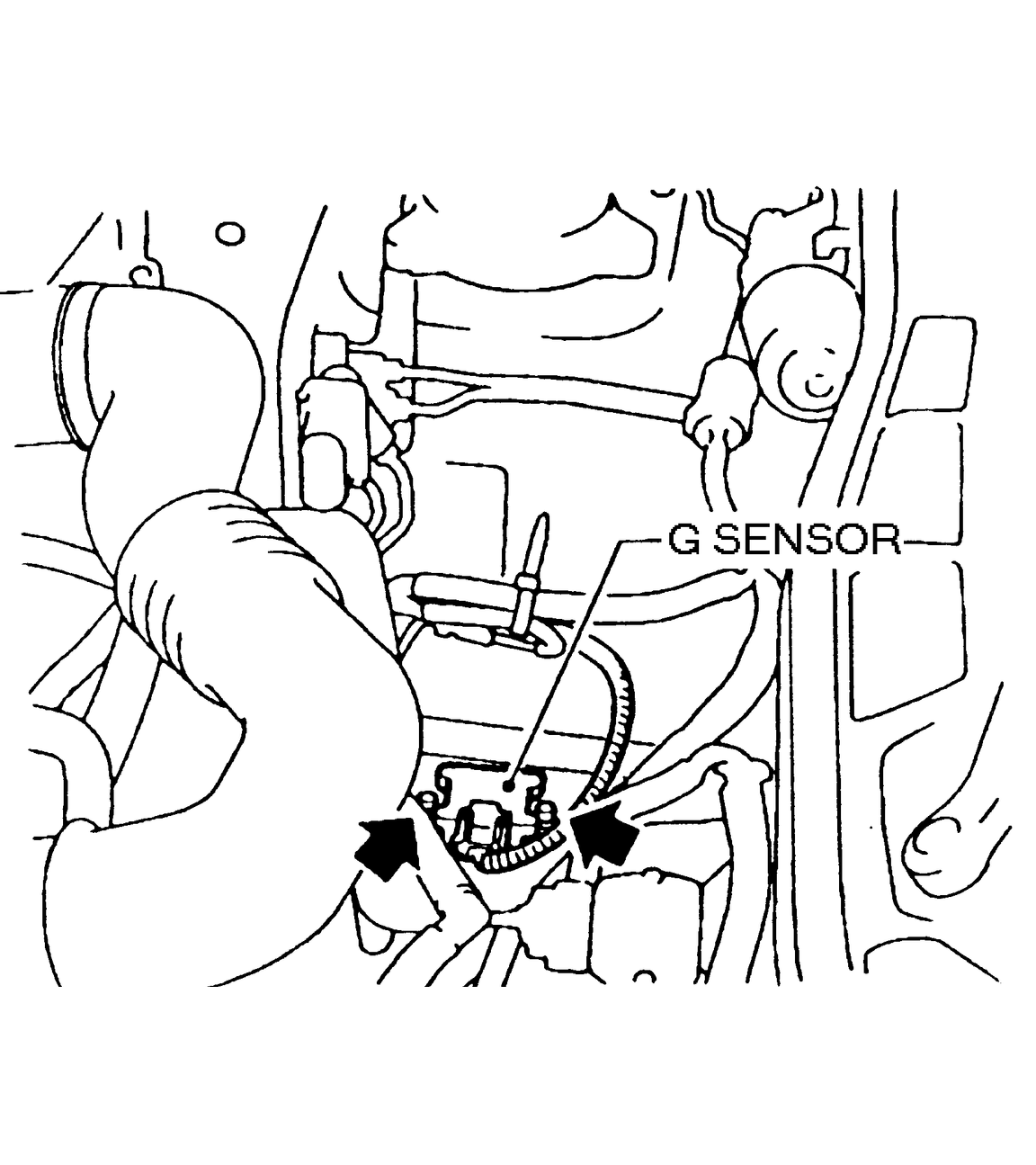
| Fig. 4: G-sensor mounted to the front right fender apron
|
Found only on 4WD vehicles with manual transaxles, the G-sensor transmits a deceleration signal to the ECU. It is located on the right front wheelwell.