CAUTION
The clutch driven disc may contain asbestos that has been determined to be a
cancer causing agent. Never clean clutch surfaces with compressed air. Avoid
inhaling any dust from any clutch surface. When cleaning clutch surfaces, use
a commercially available brake cleaning fluid.
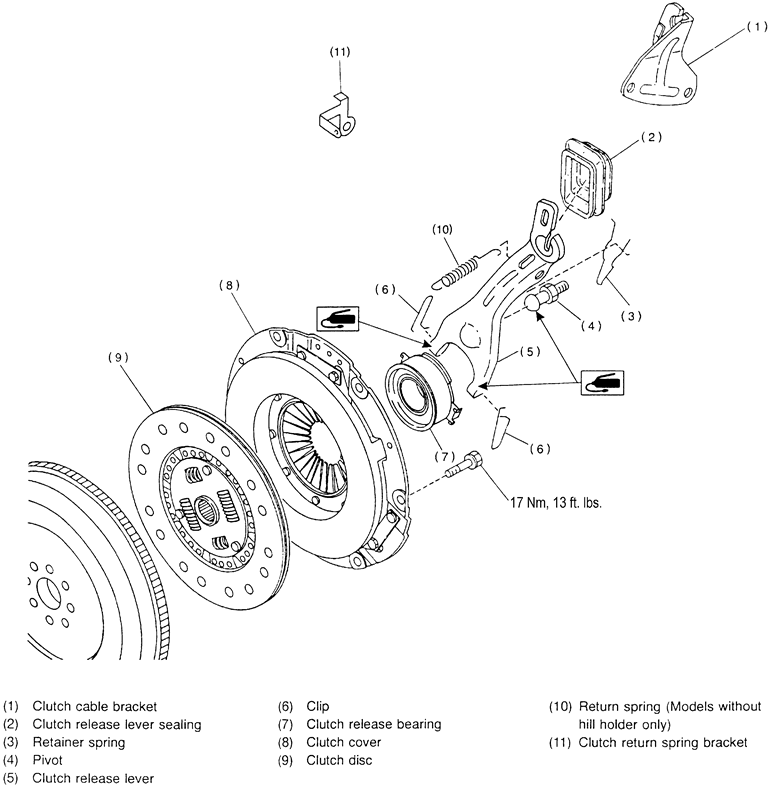
| Exploded view of the clutch system components — mechanical
clutch
|
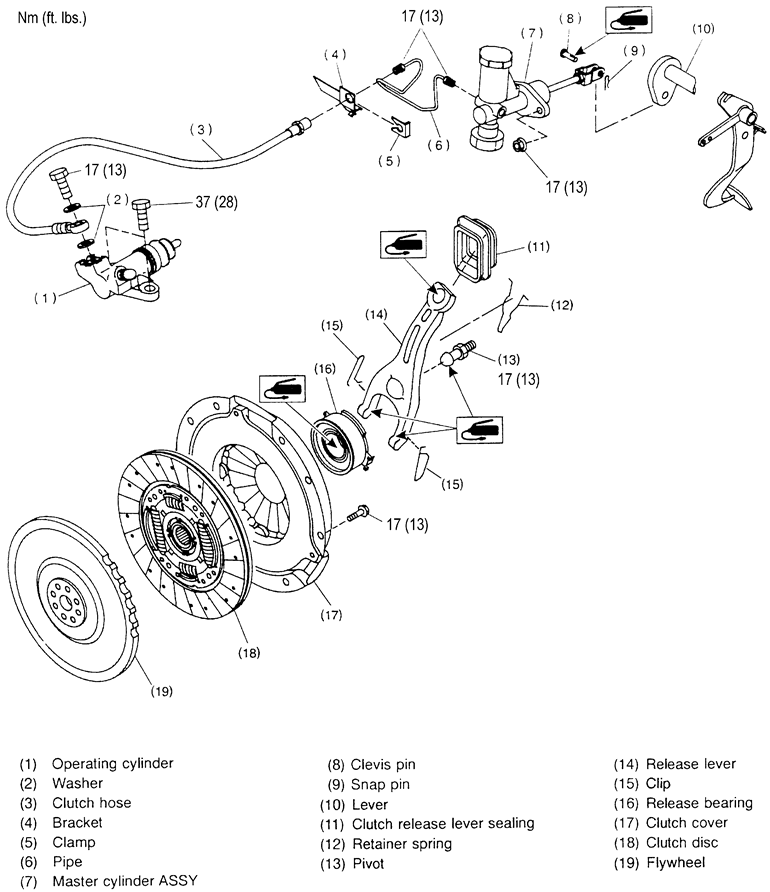
| Exploded view of the clutch system components — hydraulic
clutch
|
WARNING
Do not get oil or grease on the clutch facing.
NOTE: Do not disassemble either the clutch cover or disc. Inspect the parts for wear or damage and replace any parts as necessary. Replace the clutch disc if there is any oil or grease on the facing. Do not wash or attempt to lubricate the throwout bearing. If it requires replacement, the bearing may be removed and a new one installed in the holder by means of a press.
To install:
WARNING
When installing the clutch pressure plate assembly, be sure that the
O marks on the flywheel and the clutch pressure plate assembly are at least 120 degrees apart. These marks indicate the direction of residual unbalance. Also, be sure that the clutch disc is installed properly, noting the FRONT and REAR markings.