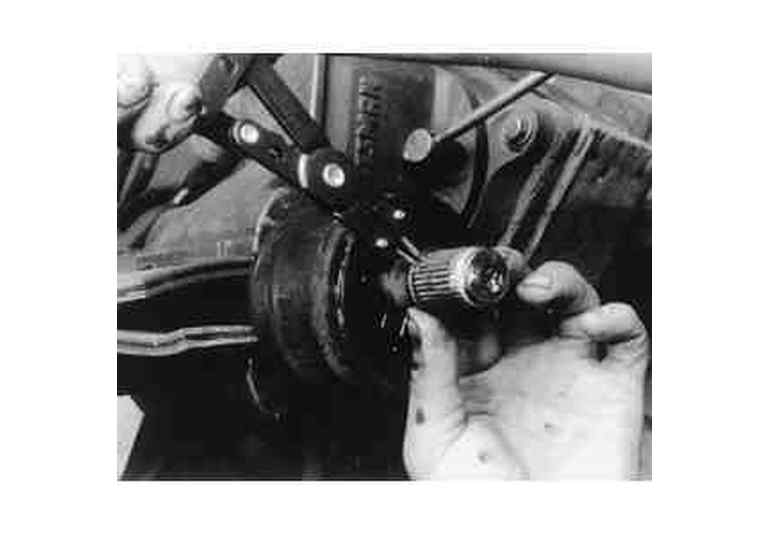
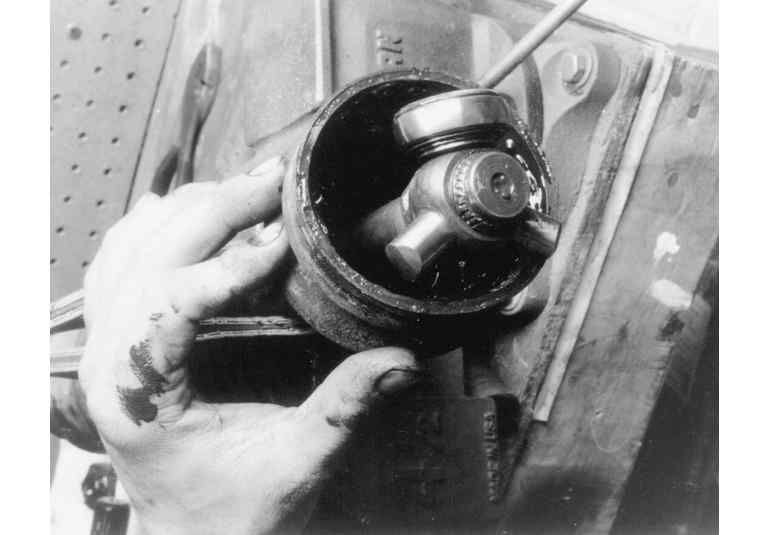
There are several different varieties of CV (constant velocity) joints depending on engine size, transaxle type, and whether the joint is mounted inboard or outboard. Being mounted on the left or right side of the vehicle could also affect the type of joint installed on your vehicle. Identify the CV-joint, properly before attempting service or replacement. Look for identification numbers at the large end of the boots and/or on the end of the metal retainer bands.
The three types of joints used are the Birfield Joint, (B.J.), the Tripod Joint (T.J.) and the Double Offset Joint (D.O.J.). Of these three types, the only one not able to rebuild is the Birfield joint. All that can be done is to clean and repack this joint with fresh grease, replace the boot, or replace the entire joint assembly.
Before disassembling a CV-joint always check the distance between the large and small retaining bands. Too much distance will cause the boot to crack or break in normal service; too little distance will also cause the same condition. Cracked or broken CV-boots will allow two things to happen; grease to escape (causing metal-to-metal contact) and allow water, snow, dirt, and salt and cinder (depending on your geographical location) to enter the joint and cause premature failure.
CAUTION
The driveshaft joints use special grease; do not add any grease other than grease certified for use with CV-joints.
To Remove:
Double Offset Joints (D.O.J.) are bigger than other joints and are normally used as an inboard joint.
- Remove the half-shaft (axle shaft) from the vehicle.
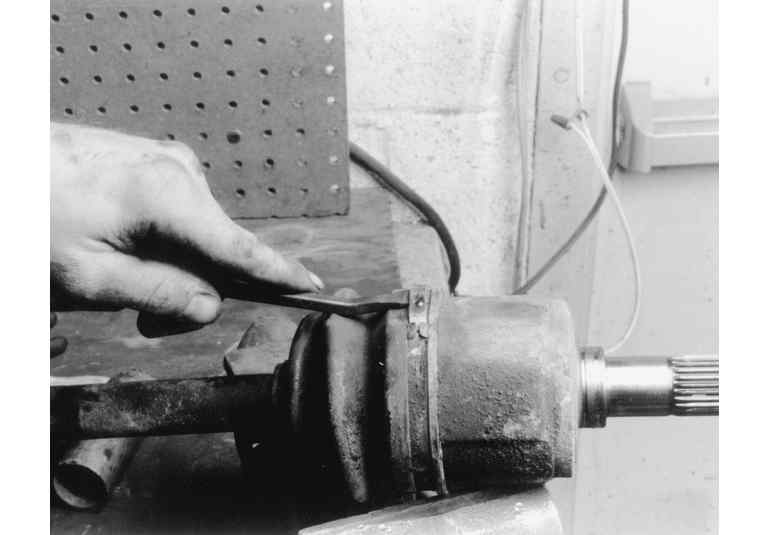
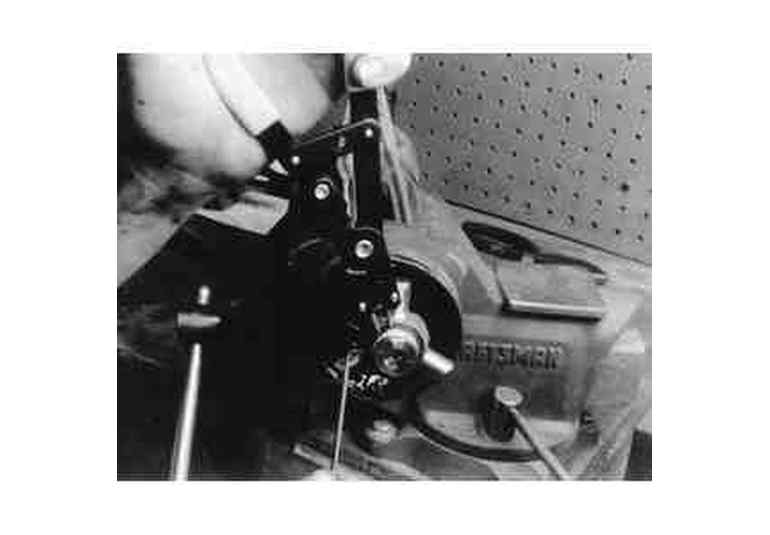
- Diagonal wire cutters can be used to remove the metal retaining bands. Remove the boot from the joint's outer race.
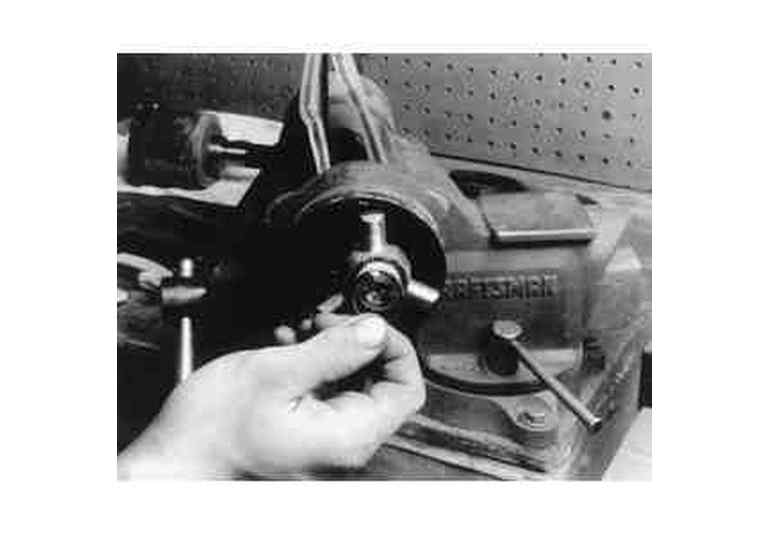
- Locate and remove the large circlip at the base of the joint, then remove the outer race (the body of the joint).
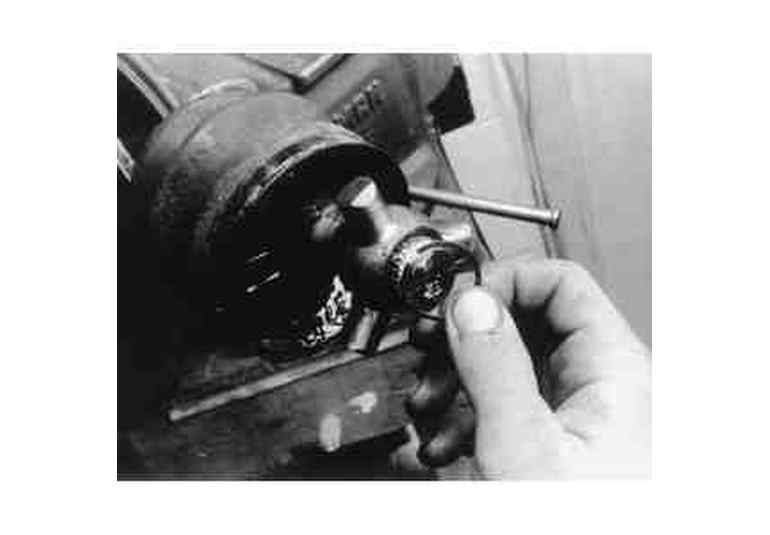
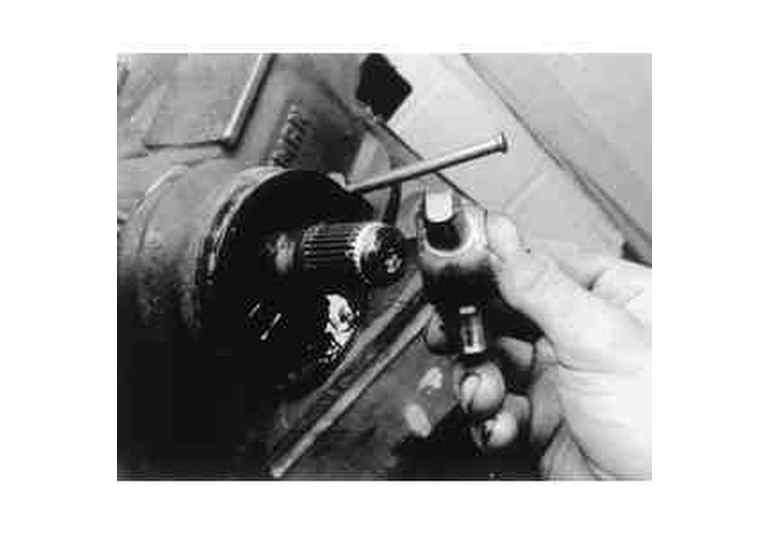
- Remove the small snap-ring then remove the inner race, cage and balls as an assembly. Do not disassemble the inner race, cage and balls while cleaning.
- Always replace the CV-boot when servicing the joint. The small monetary investment made at the time of the service will reap dividends in joint and boot longevity. Remove the inner boot from the shaft. If the outer boot is to be replaced, remove the boot retainer rings and slide the boot down and off of the shaft.
Note: If you are looking for an alternative to repacking or replacing your CV joints or boots, there is an aftermarket replacement half-shaft available. There are also companies that specialize in rebuilding your assemblies. You get a completely refurbished half-shaft with new or refurbished CV-joints and new boots ready to install on your vehicle.
To Install:
- Tape the splines on the half-shaft before installing the boots.
- Fill the inside of the boot with the specified grease.
- The grease supplied in the replacement parts kit is to be divided in half.
- Use half to lubricate the joint and the other half on the inside of the boot.
- Install the cage onto the half-shaft so the small diameter side of the cage is installed first.
- With a brass drift, tap lightly and evenly around the inner race to install until it comes into contact with the rib of the shaft.
- Apply the specified grease to the inner race and cage and fit them together.
- Insert the balls into the cage.
- Install the outer race (the body of the joint) after filling with the specified grease.
- The outer race should be filled with this grease. Slide the boot over the joint and
- Tighten the boot bands securely.
- Make sure the distance between the boot bands is correct.
- Install the halfshaft to the vehicle.
To Remove:
- Remove the half-shaft.
- Use diagonal wire cutters to remove the metal retaining bands from the boot(s) that will be removed.
- Slide the boot from the case.
- Remove the snap-ring and the tripod joint spider assembly from the half-shaft.
- Do not disassemble the spider and use care when handling.
- Always replace the CV-boot when servicing the joint.
- The small monetary investment made at the time of the service will reap dividends in joint and boot longevity.
- Remove the dynamic damper, if used, and the boots from the shaft.
To Install:
- Ensure that the correct replacement parts are being installed.
- Wrap vinyl tape around the splines to protect the boot, then install the boots and damper, if used, in the correct order.
- Install the joint's spider assembly to the shaft and install the snap-ring.
- Fill the inside of the boot with the specified grease.
- The grease supplied in the replacement parts kit is to be divided in half.
- Use half to lubricate the joint and the other half on the inside of the boot.
- Keep grease off the rubber part of the dynamic damper (if used).
- Secure the boot bands with the half-shaft in a horizontal position.
- Make sure distance between boot bands is correct.
- Install the half-shaft to the vehicle.
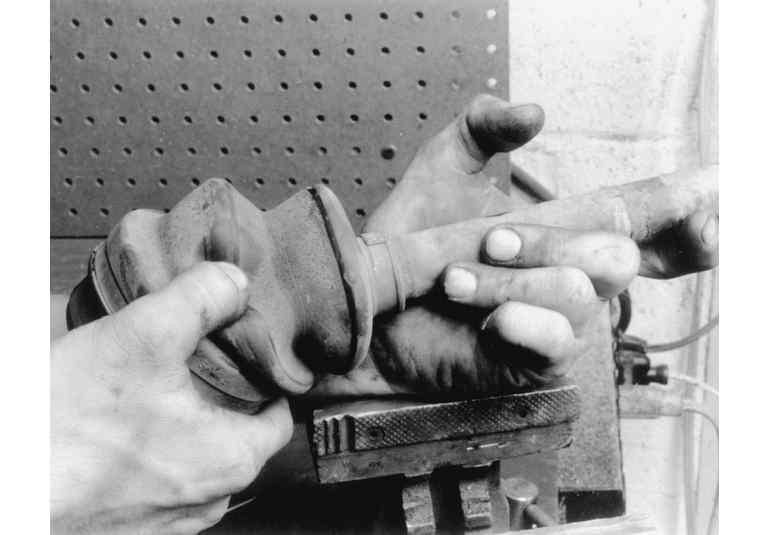
| Check the CV-boot for wear
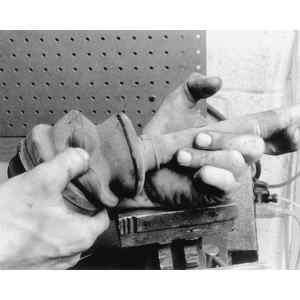
|
| Removing the outer band from the CV-boot
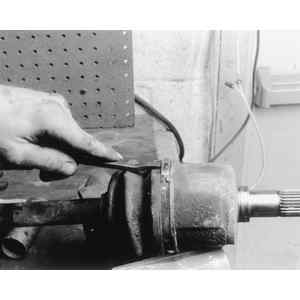
|
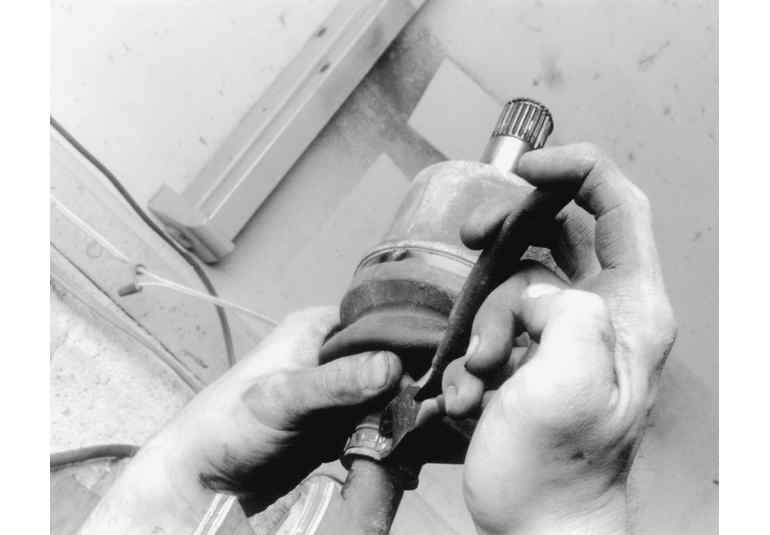
| Removing the inner band from the CV-boot
|
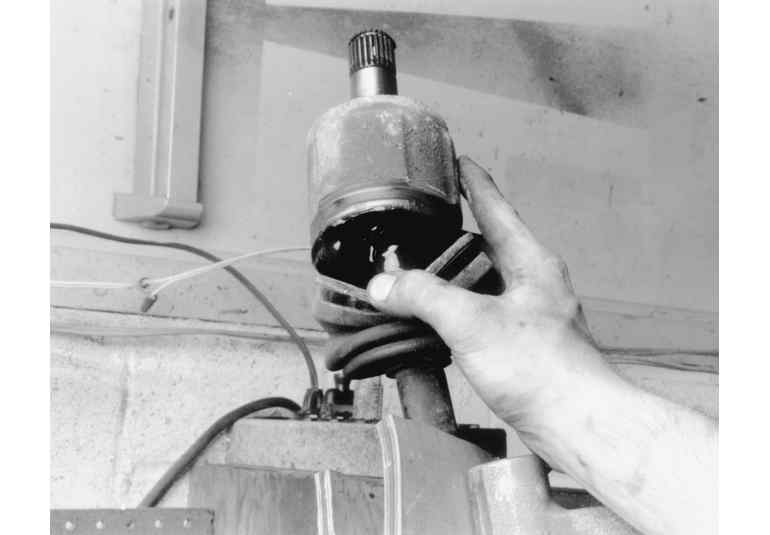
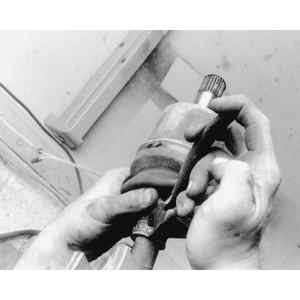
| Removing the CV-boot from the joint housing
|
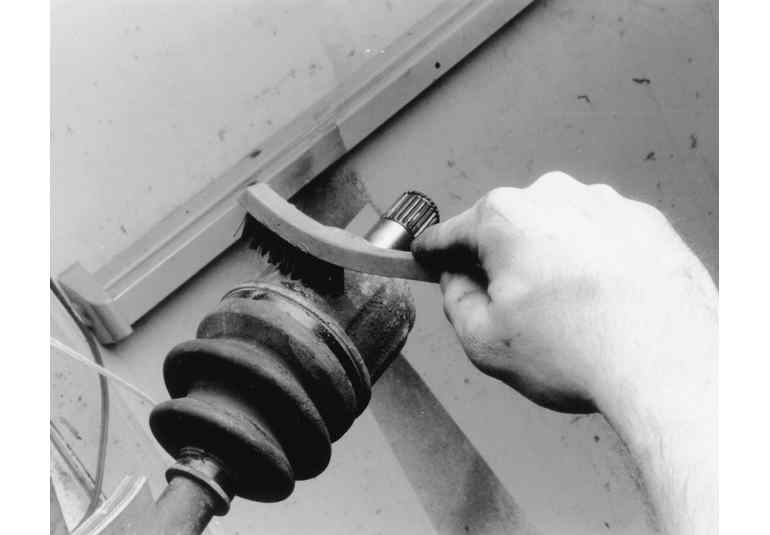
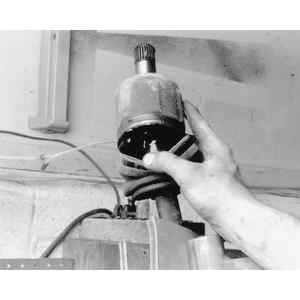
| Clean the CV-joint housing prior to removing boot
|
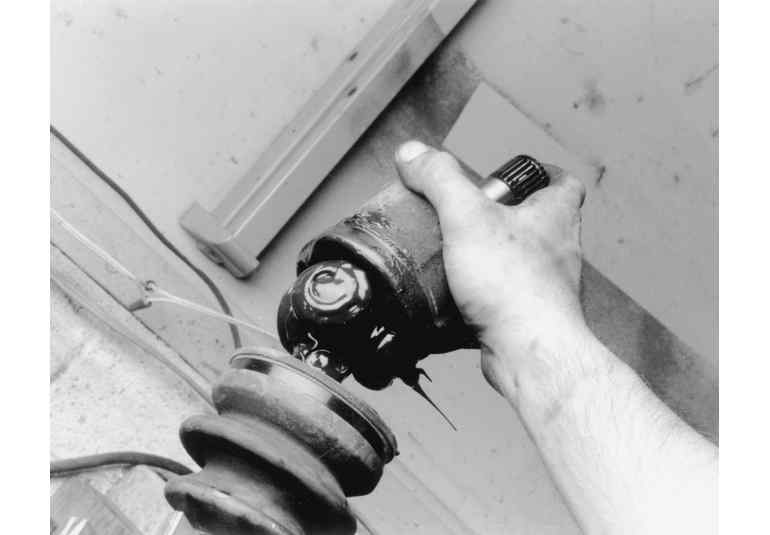
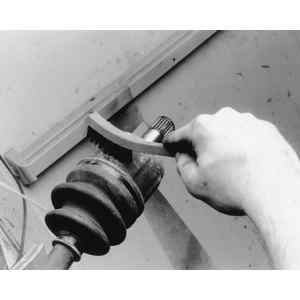
| Removing the CV-joint housing assembly
|
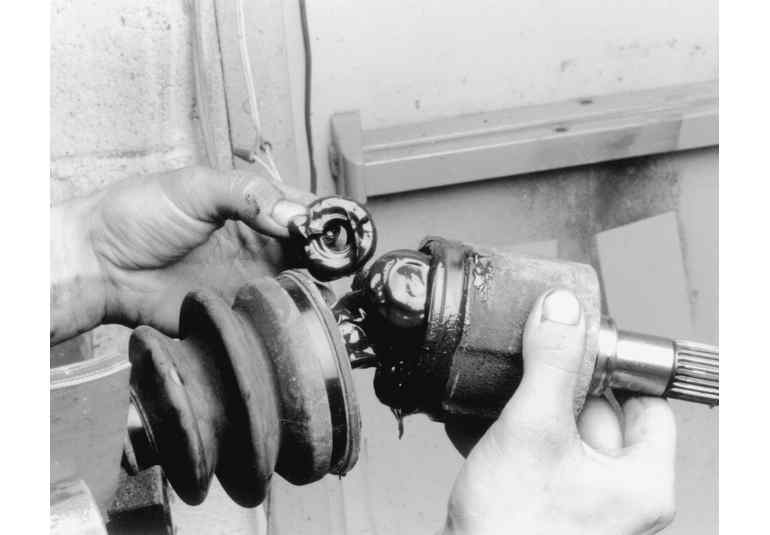
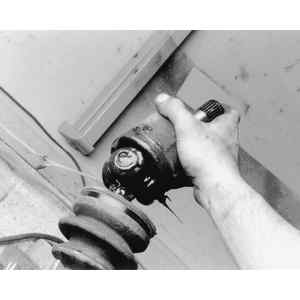
| Removing the CV-joint
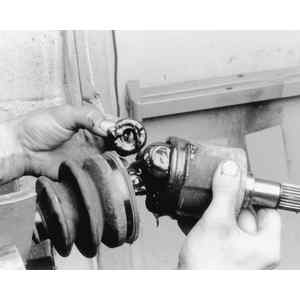
|
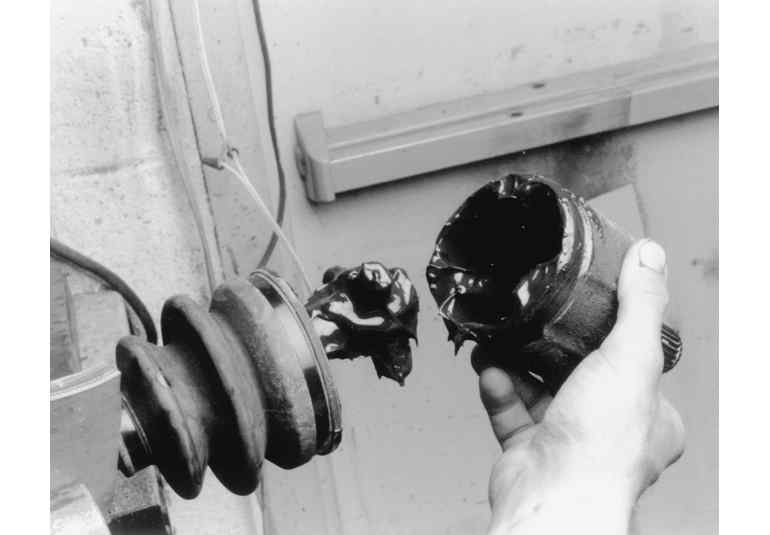
| Inspecting the CV-joint housing
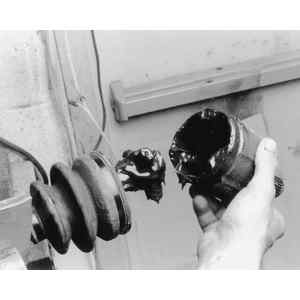
|
| Removing the CV-joint outer snap-ring
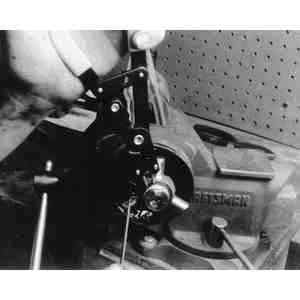
|
| Checking the CV-joint snap-ring for wear
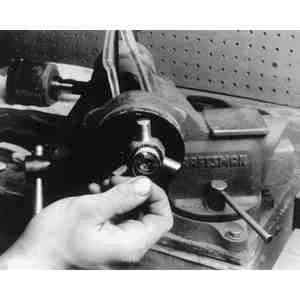
|
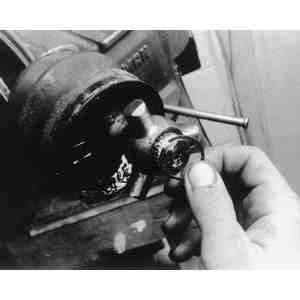
| CV-joint snap-ring (typical)
|
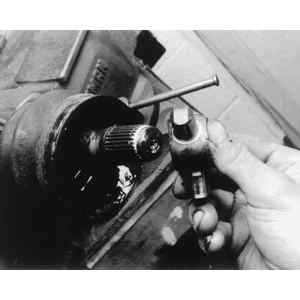
| Removing the CV-joint assembly
|
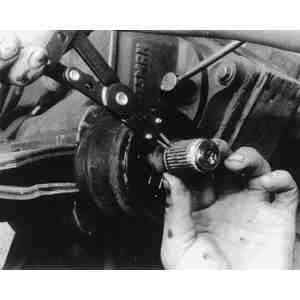
| Removing the CV-joint inner snap-ring
|
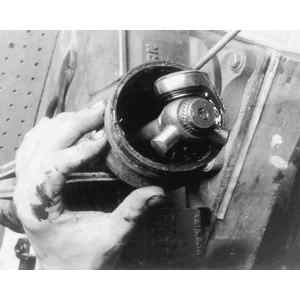
| Installing the CV-joint assembly (typical)
|