| INSTRUCTIONS |
WHEN
HANDLING REFRIGERANT
| 1. |
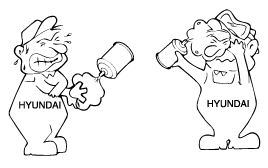
R-134a liquid refrigerant is highly
volatile. A drop on the skin of your hand could result in localized
frostbite. When handling the refrigerant, be sure to wear
gloves. |
| 2. |
If the refrigerant splashes into your eyes,
wash them with clean water immediately. It is standard practice to
wear goggles or protective glasses to protect your eyes, and gloves
to protect your hands. |
| 3. |
The R-134a container is highly pressurized.
Never leave it in a hot place, and check that the storage
temperature is below 52°C (126°F). |
| 4. |
A leak detector is often used to check the
system for refrigerant leakage. Bear in mind that the R-134a, upon
coming into contact with flame (this detector burns propane to
produce a small flame), produces phosgene, which is a toxic
gas. |
| 5. |
Use only the recommended lubricant for
R-134a A/C systems and components. If lubricants other than the
recommended are used, system failure may
occur. |
| 6. |
The PAG lubricant absorbs moisture from the
atmosphere at a rapid rate, therefore the following precautions must
be observed: |
| a. |
When removing refrigerant components from a
vehicle, immediately cap the components to prevent moisture from
entering the A/C system. |
| b. |
When installing refrigerant components to a
vehicle, do not remove the cap until just before connecting the
components. |
| c. |
Complete the connection of all refrigerant
tubes and hoses without delay to prevent moisture from entering the
A/C system. |
| d. |
Use the recommended lubricant from a sealed
container only. |
| 7. |
If an accidental discharge in the system
occurs, ventilate the work area before resuming
service. |
WHEN
REPLACING A/C SYSTEM PARTS
| 1. |
Never open or loosen a connection before
discharging the system. |
| 2. |
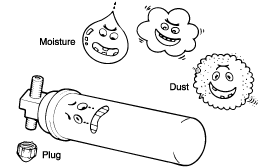
Seal open fittings with a cap or plug
immediately to prevent intrusion of moisture or
dust. |
| 3. |
Do not remove the sealing caps from a
replacement component until it is ready to be
installed. |
| 4. |
Before connecting an open fitting, always
install a new sealing ring. Coat the fitting and seal with
refrigerant oil before making the
connection. |
WHEN
INSTALLING CONNECTING PARTS
FLANGE WITH
GUIDE PIN
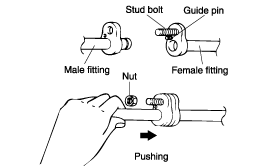
Check the new
O-ring for damage or if missing (use only specified O-rings) and lubricate
using compressor oil. Tighten the nut by hand while pushing the pipe.
Tighten the nut to the specified torque.
HANDLING
TUBING AND FITTINGS
The internal
parts of the refrigeration system will remain in a state of chemical
stability as long as pure moisture-free refrigerant and refrigerant oil
are used. Abnormal amounts of dirt, moisture or air can upset the chemical
stability and cause problems or serious damage.
THE FOLLOWING
PRECAUTIONS MUST BE OBSERVED
| a. |
When it is necessary to open the
refrigeration system, have everything you will need to service the
system ready so that the system will not be left open any longer
than necessary. |
| b. |
Cap or plug all lines and fittings as soon
as they are opened to prevent the entrance of dirt and
moisture. |
| c. |
All lines and components in parts stock
should be capped or sealed until they are ready to be
used. |
| d. |
Never attempt to rebend formed lines. Use
the correct line for the installation you are
servicing. |
| e. |
All tools, including the refrigerant
dispensing manifold, the gauge set manifold and test hoses should be
kept clean and
dry. |