CLUTCH
DESCRIPTION
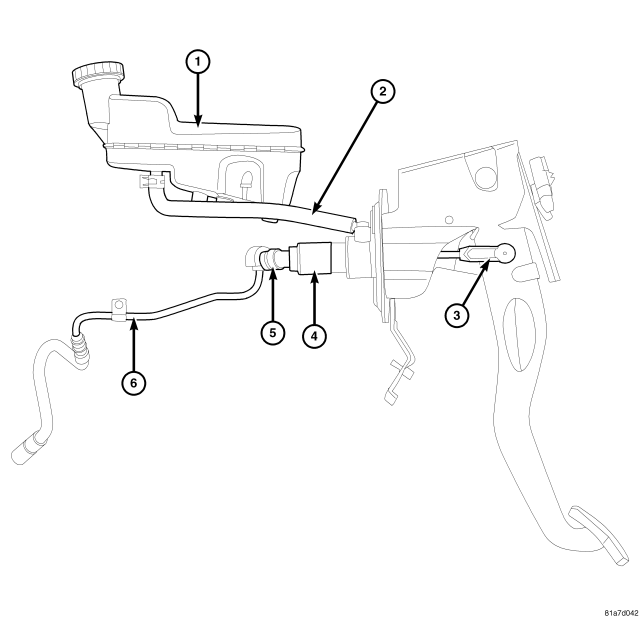
The typical clutch hydraulic system consists of a clutch master cylinder (4) and an interconnecting fluid line (2). Clutch hydraulic fluid is supplied by the brake system via the brake master cylinder reservoir (1). The clutch pedal pushrod (3) is non-adjustable.
FLUID
CAUTION: Never use any type of petroleum-based fluid (engine oil, transmission oil, power steering fluid, etc.) in the clutch hydraulic system. Use of such fluids will result in master/slave cylinder seal damage, and cause a failure of the hydraulic clutch release system.
NOTE: Under normal operating conditions, the clutch hydraulic system does not require additional fluid for the life of the vehicle. Since the clutch shares the brake reservoir, the fluid level will be maintained whenever the brake system is checked.
The fluid required for use in the clutch hydraulic system is brake fluid conforming to DOT 3 specifications and J1703 standards. No other type of fluid is recommended or approved for use in the clutch hydraulic system. Use only MOPAR® brake fluid or equivalent from a tightly sealed container.
OPERATION
The clutch hydraulic system is responsible for engaging and disengaging the clutch. Depressing the clutch pedal develops fluid pressure in the clutch master cylinder. This pressure is transmitted to the integral release bearing which is in contact with the pressure plate diaphragm spring. As additional force is applied, the bearing depresses the diaphragm spring fingers inward on the fulcrums. The action moves the pressure plate rearward, relieving clamping force on the clutch disc..