SOLENOID - FUEL PRESSURE
DESCRIPTION
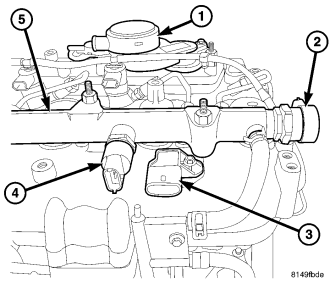
The fuel pressure solenoid is attached to the rear of the fuel rail. The tip of the fuel pressuer solenoid uses a knife edge, for metal to metal sealing. The knife edge actually deforms the metal in the fuel rail in order to seal the surfaces. The solenoid must be replaced when ever it is removed from the rail. The solenoid controls and maintains the rail pressure constant along with a control current transmitted by the engine control module (ECM) .
OPERATION
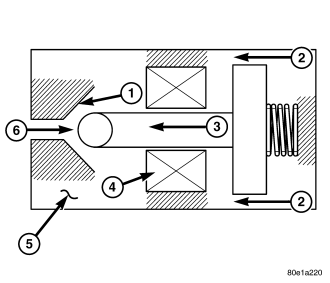
High pressure which is present in the fuel rail flows to the ball seat (1) of the pressure solenoid. The specified pressure required by the system is built up in the rail by the fuel pressure solenoid building up a magnetic force which corresponds to this specific pressure by means of a control current from the Electronic Control Module (ECM). This magnetic force equals a certain outlet cross section at the ball seat of the valve. The rail pressure is altered as a result of the quantity of fuel which flows off. The current fuel pressure is signaled by the fuel rail pressure sensor to the engine control module (ECM). The controlled fuel flows back along the return fuel line, into the tank.
In a de-energized state, the fuel pressure solenoid is closed as the spring force (2) presses the ball into the ball seat. When driving, the fuel pressure solenoid is constantly open. When engine is started, the fuel pressure solenoid is held closed by magnetic force. When driving, the pressure of the fluid counteracts the magnetic force of the coil and the slight spring force.
REMOVAL
Review the high pressure fuel system warning before beginning repair (Refer to 14 - FUEL SYSTEM - WARNING)
WARNING: No sparks, open flames or smoking. Risk of poisoning from inhaling and swallowing fuel. Risk of injury to eyes and skin from contact with fuel. Pour fuels only into suitable and appropriately marked containers. Wear protective clothing.
1. Disconnect negative battery cable.
2. Remove fuel rail (Refer to 14 - FUEL SYSTEM/FUEL INJECTION/FUEL INJECTOR - REMOVAL).
3. Clamp fuel rail securely in vise with protective jaws.
CAUTION: Once removed, the solenoid must always be replaced.
4. Counterhold and unscrew the fuel pressure solenoid (2).
INSTALLATION
Review the high pressure fuel system warning before beginning repair (Refer to 14 - FUEL SYSTEM - WARNING)
WARNING: No sparks, open flames or smoking. Risk of poisoning from inhaling and swallowing fuel. Risk of injury to eyes and skin from contact with fuel. Pour fuels only into suitable and appropriately marked containers. Wear protective clothing.
CAUTION: There is a special tightening procedure for the fuel rail solenoid that must be followed along with the proper use of a torque wrench. Therefore the fuel rail must be removed before installing the fuel pressure solenoid.
1. Position the fuel rail (5) into a soft jawed vise.
2. Screw the fuel pressure solenoid to the fuel rail until hand tight.
3. Tighten the fuel rail solenoid as follows:
a. Tighten the nut to 60 N·m (44 ft. lbs.)
b. Loosen the nut 90 degrees.
c. Retighten the nut to 80 N·m (59 ft. lbs.).
4. Install fuel rail (Refer to 14 - FUEL SYSTEM/FUEL INJECTION/FUEL INJECTOR - INSTALLATION).
5. Connect negative battery cable.
6. Start engine, allow to warm, turn engine off and inspect for leaks (Refer to 14 - FUEL SYSTEM - DIAGNOSIS AND TESTING) .