VALVES & SEATS-INTAKE/EXHAUST
- DESCRIPTION
- OPERATION
- STANDARD PROCEDURE - REFACING VALVES AND VALVE SEATS
- REMOVAL
- CLEANING
- INSPECTION
- INSTALLATION
DESCRIPTION
The valves have chrome plated valve stems with four-bead lock grooves. The valve stem seals are made of Viton rubber.
OPERATION
The two valves per cylinder are opened using roller hydraulic lifters, push rods, and rocker arms.
STANDARD PROCEDURE - REFACING VALVES AND VALVE SEATS
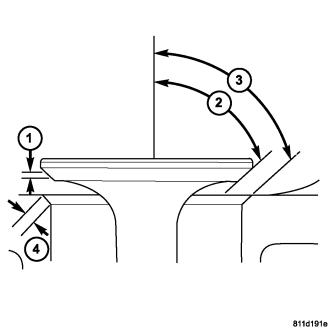
The intake and exhaust valves and seats are machined to specific angles .
VALVES
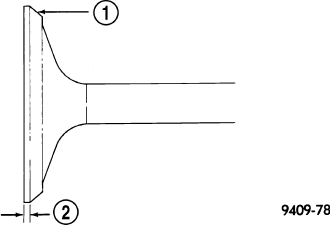
1. Inspect the remaining margin after the valves are refaced . (Refer to 9 - ENGINE - SPECIFICATIONS)
VALVE SEATS
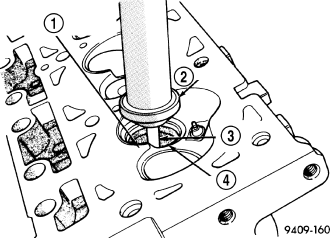
CAUTION: Remove metal from valve seat only. Do not remove material from cylinder head .
1. When refacing valve seats, it is important that the correct size valve guide pilot be used for reseating stones. A true and complete surface must be obtained.
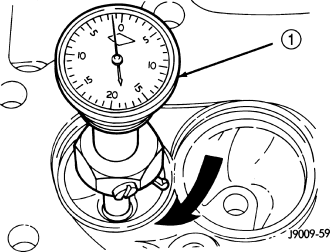
2. Measure the concentricity of valve seat using dial indicator . Total runout should not exceed 0.051 mm (0.002 in.) total indicator reading.
3. Inspect the valve seat using Prussian blue to determine where the valve contacts the seat. To do this, coat valve seat LIGHTLYwith Prussian blue then set valve in place. Rotate the valve with light pressure. If the blue is transferred to the center of valve face, contact is satisfactory. If the blue is transferred to top edge of valve face, lower valve seat with a 15 degree stone. If the blue is transferred to the bottom edge of valve face raise valve seat with a 65 degrees stone.
NOTE: Valve seats which are worn or burned can be reworked, provided that correct angle and seat width are maintained. Otherwise cylinder head must be replaced.
4. When seat is properly positioned the width of intake and exhaust seats should be 1.50–2.00 mm (0.059–0.078 in.) .
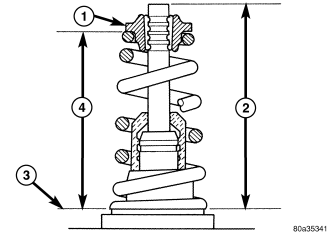
5. After grinding the valve seats or faces, install the valve in cylinder head and check valve installed height by measuring from valve tip to spring seat . Remove valve from cylinder head and grind valve tip until within specifications. Check valve tip for scoring. The tip chamfer should be reground (if necessary) to prevent seal damage when the valve is installed.
6. Check the valve spring installed height after refacing the valve and seat . If valves and/or seats are reground, measure the installed height of springs , make sure measurements are taken from top of spring seat to the bottom surface of spring retainer. If height is greater than specifications, install a 0.794 mm (0.0312 in.) spacer in head counterbore to bring spring height back within specifications.
REMOVAL
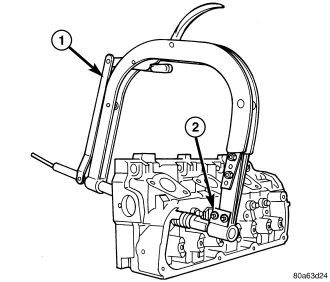
1. With cylinder head removed, compress valve springs using Valve Spring Compressor Tool C-3422-D with adapter 8464 .
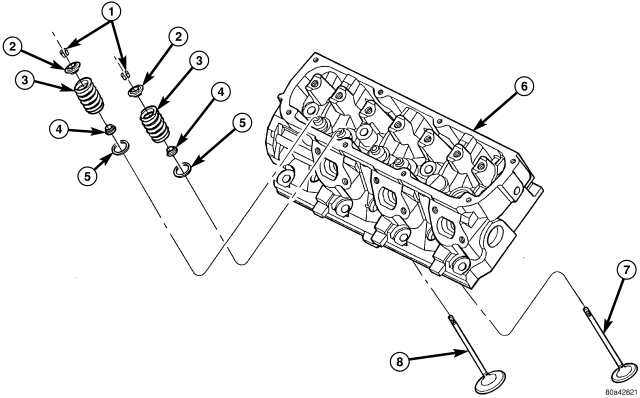
2. Remove valve retaining locks .
3. Slowly release valve spring compressor. Remove valve spring retainer, valve spring, and valve stem seal.
4. Before removing valves, remove any burrs from valve stem lock grooves to prevent damage to the valve guides. Identify valves to insure installation in original location.
CLEANING
1. Clean all valves thoroughly and discard burned, warped and cracked valves.
INSPECTION
VALVES
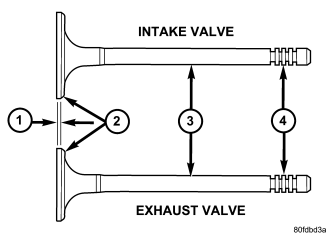
1. Clean and inspect valves thoroughly. Replace burned, warped and cracked valves.
2. Measure valve stems for wear . For valve specifications, (Refer to 9 - ENGINE - SPECIFICATIONS).
NOTE: Valve stems are chrome plated and should not be polished .
VALVE GUIDES
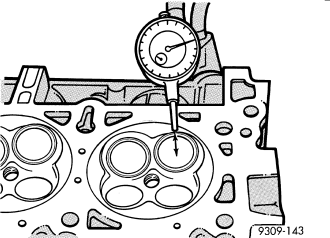
1. Remove carbon and varnish deposits from inside of valve guides with a reliable guide cleaner.
2. Measure valve stem-to-guide clearance as follows:
3. Install valve into cylinder head so it is 15 mm (0.590 inch.) off the valve seat. A small piece of hose may be used to hold valve in place.
4. Attach dial indicator Tool C-3339 to cylinder head and set it at right angle of valve stem being measured .
5. Move valve to and from the indicator. For clerance specifications, (Refer to 9 - ENGINE - SPECIFICATIONS).
NOTE: Replace cylinder head if stem-to-guide clearance exceeds specifications, or if guide is loose in cylinder head.
INSTALLATION
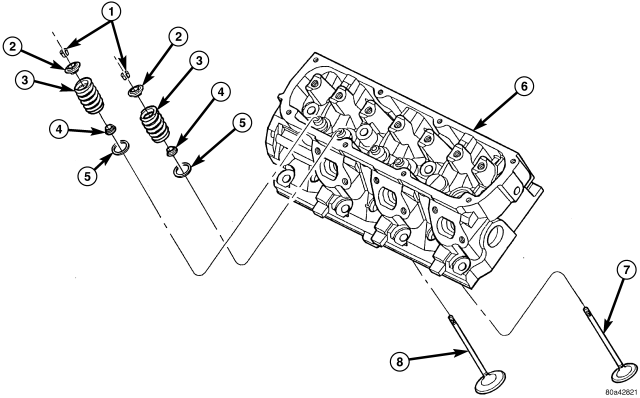
1. Coat valve stems with clean engine oil and insert them in cylinder head .
2. Install valve spring seat on head .
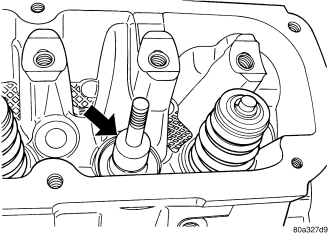
3. Install new seals on all valve stems and over valve guides Install valve springs and valve retainers
4. Install the valve springs. (Refer to 9 - ENGINE/CYLINDER HEAD/VALVE SPRINGS - INSTALLATION)