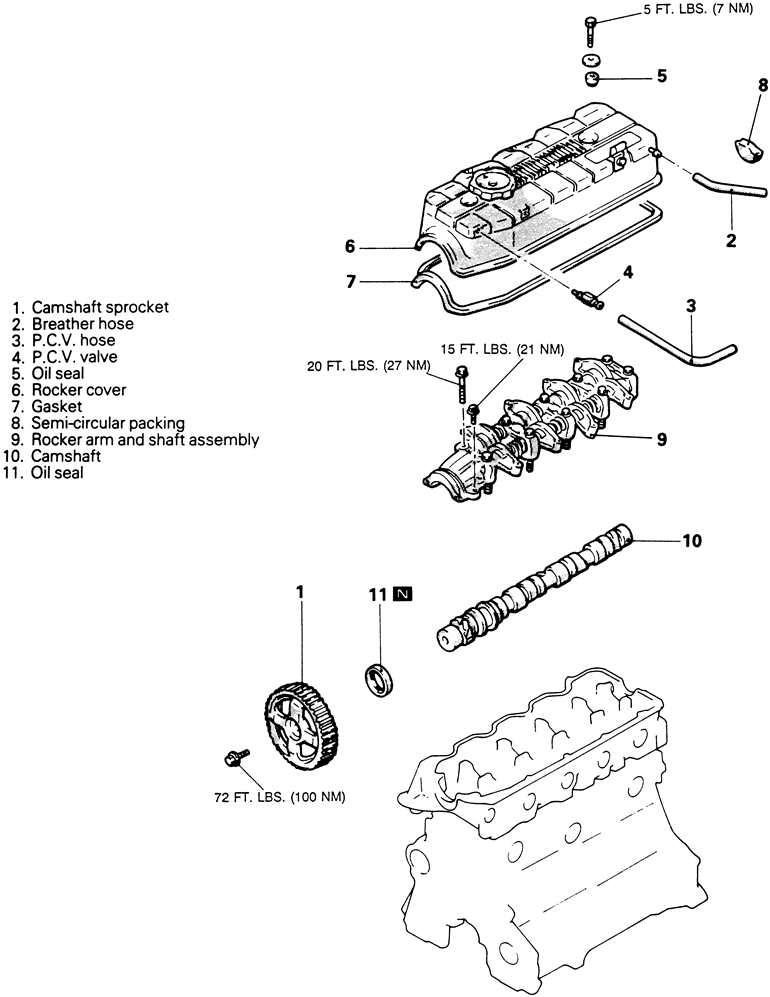
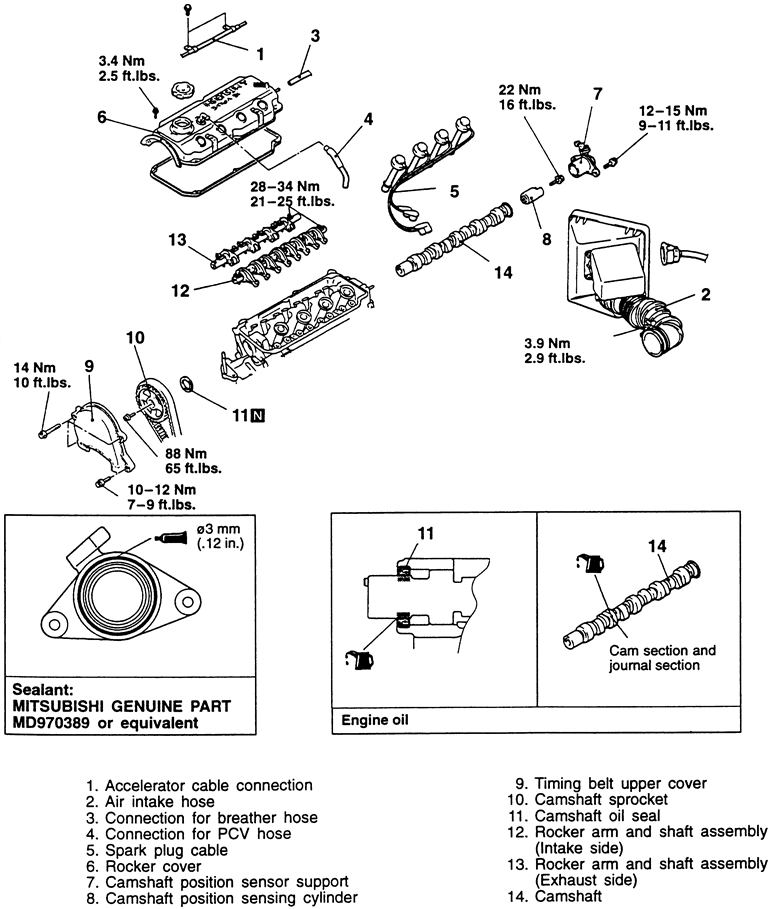
| Fig. 1: Exploded view of the camshaft and related
components — 1.8L engine
|
To install:
NOTE: If the bearing caps are difficult to remove, use a plastic hammer to gently tap the rear part of the camshaft.
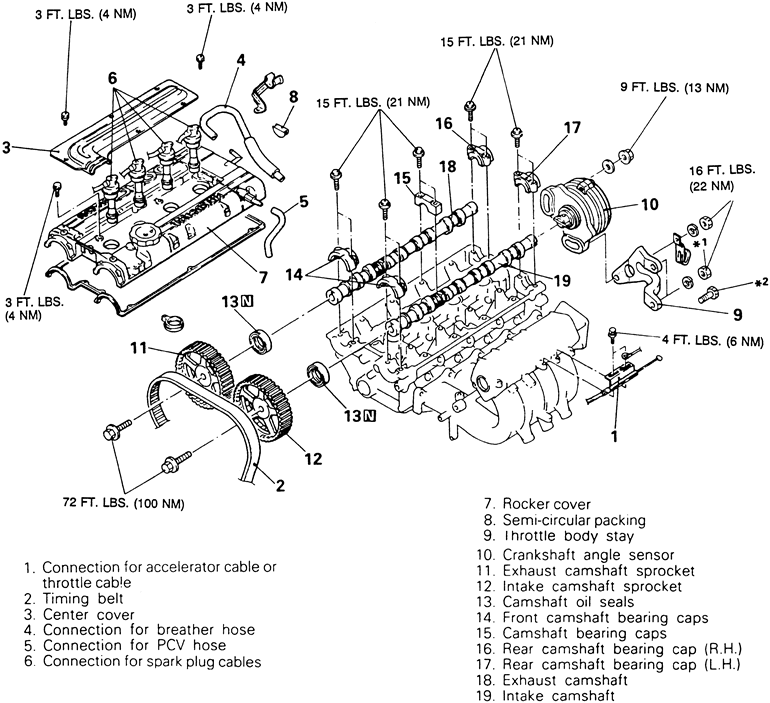
| Fig. 2: Camshaft and related components — 1990–94
2.0L engines
|
To install:
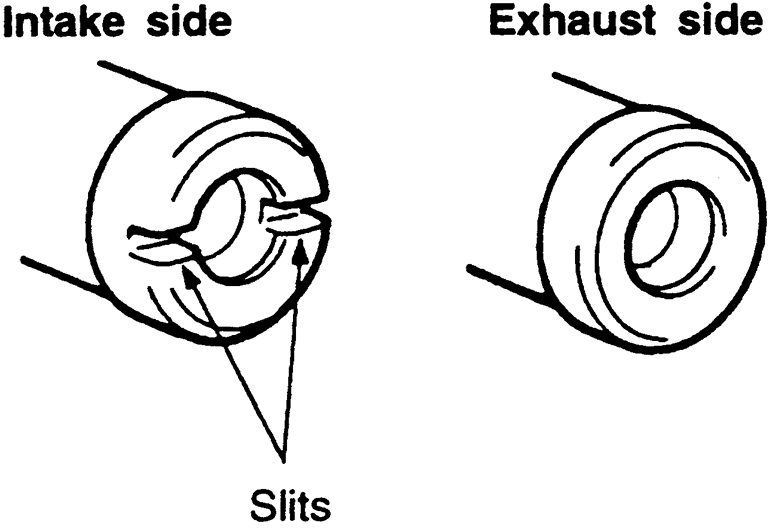
NOTE: Do not confuse the intake camshaft with the exhaust camshaft. The intake camshaft has a split on its rear end for driving the crank angle sensor.
NOTE: Do not position the crank angle sensor with the punch mark positioned opposite the notch; this position will result in incorrect fuel injection and ignition timing.
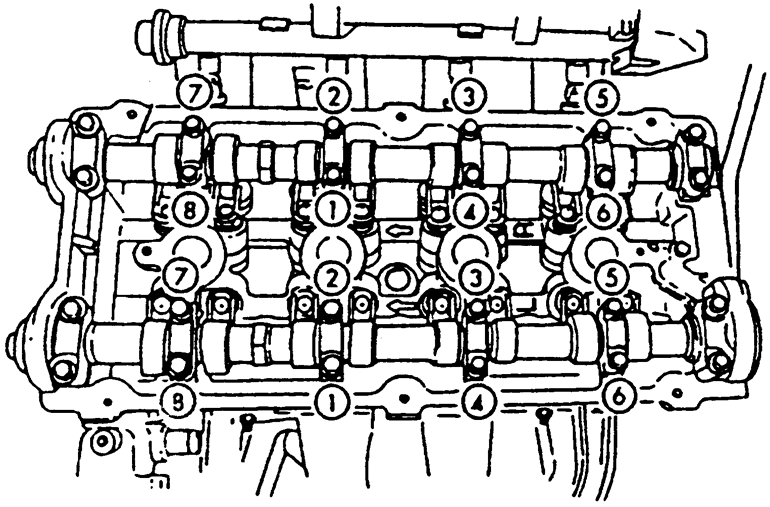
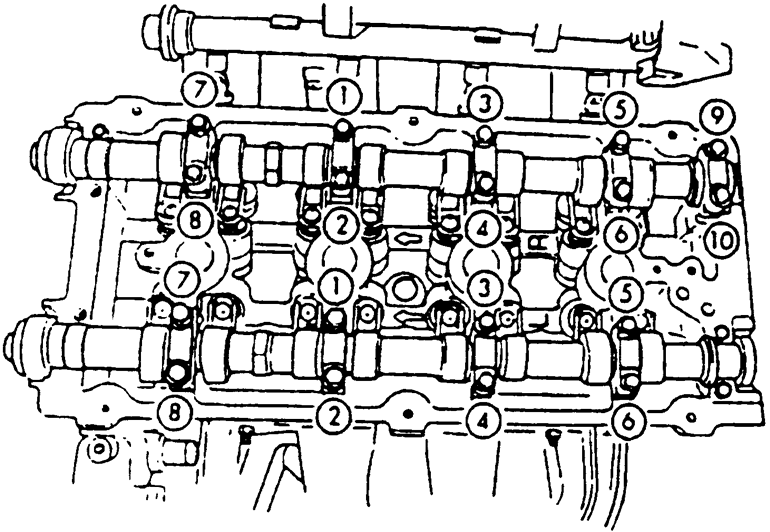
| Fig. 3: Camshaft bearing cap bolt removal sequence — 1995–98
2.0L non-turbo engine
|
NOTE: Keep the bearing caps in order. They must be installed in the location that they were removed from.
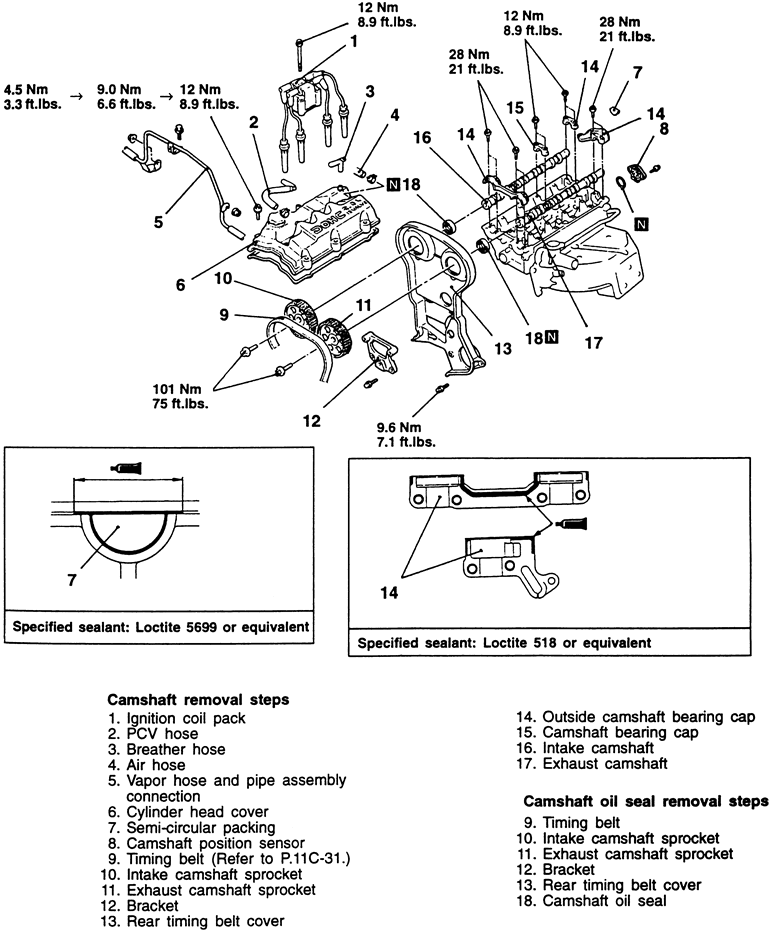
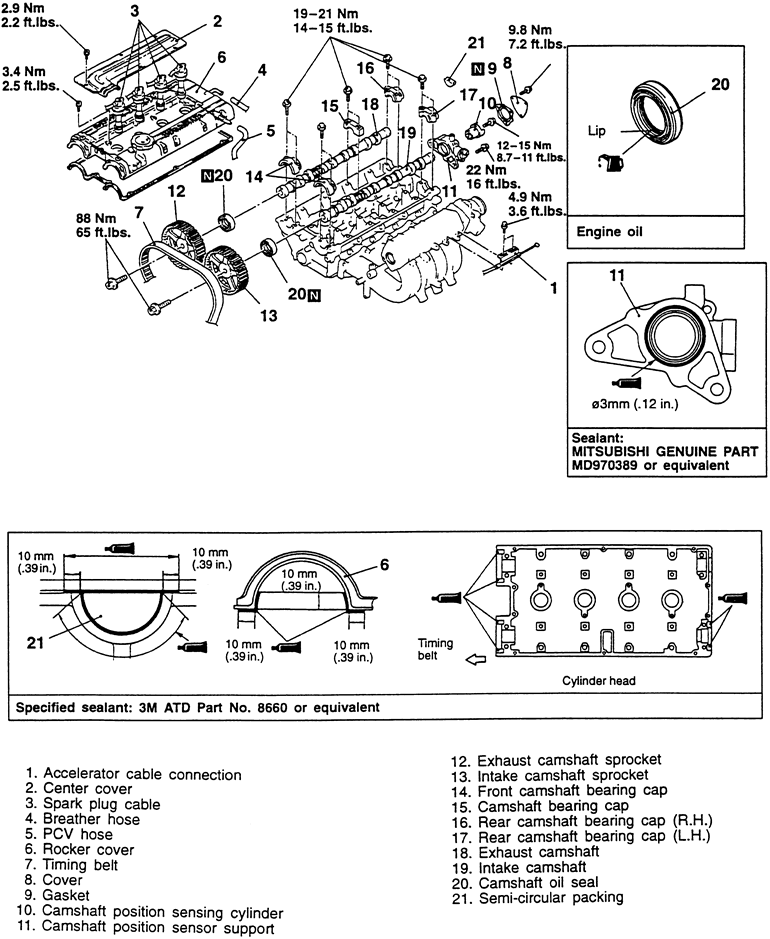
| Fig. 4: Exploded view of the camshafts and related
components — 1995–98 2.0L non-turbo engine
|
To install:
| Fig. 5: Camshaft bearing cap bolt installation sequence — 1995–98
2.0L non-turbo engine
|
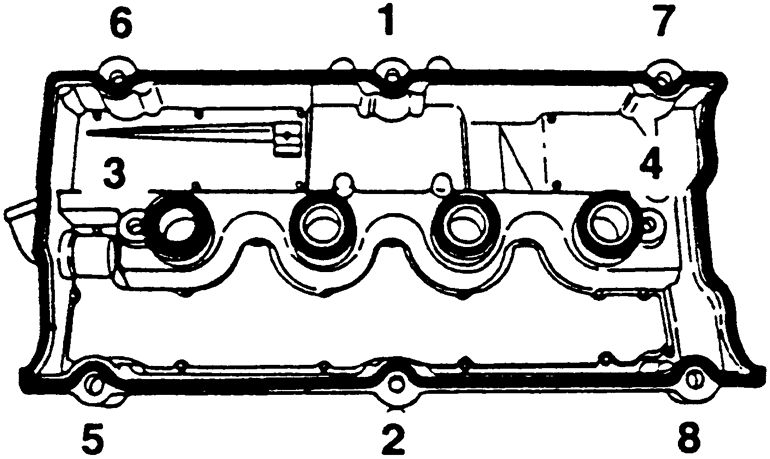
| Fig. 6: Cylinder head cover bolt installation
sequence — 1995–98 non-turbo engine
|
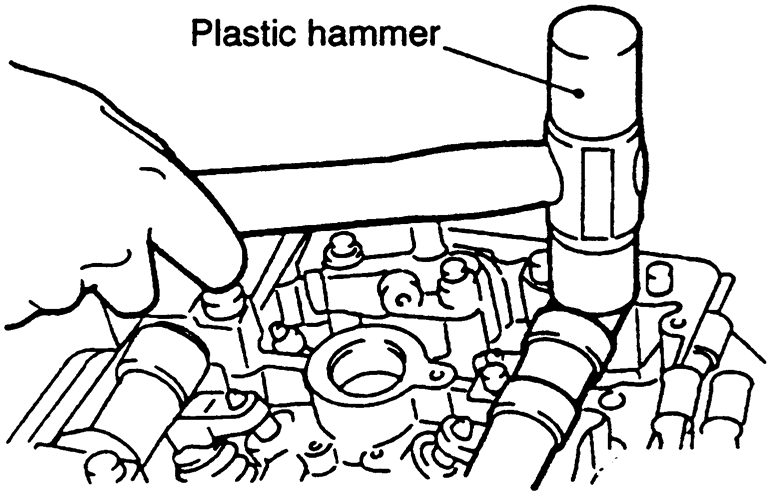
| Fig. 7: Tap the camshaft with a plastic hammer to
loosen the bearing caps — 1995–98 2.0L turbo
engine
|
| Fig. 8: Exploded view of the camshafts and related
components — 1995–98 2.0L turbo engines
|
To install:
| Fig. 9: During installation, make sure not to confuse
the intake and exhaust camshafts
|
WARNING
If new camshaft(s) are being installed, remove the rocker arms and install
the camshaft(s) and the bearing caps. Make sure the camshaft(s) can be turned
by hand. After checking, remove the camshafts and install the rocker arms.
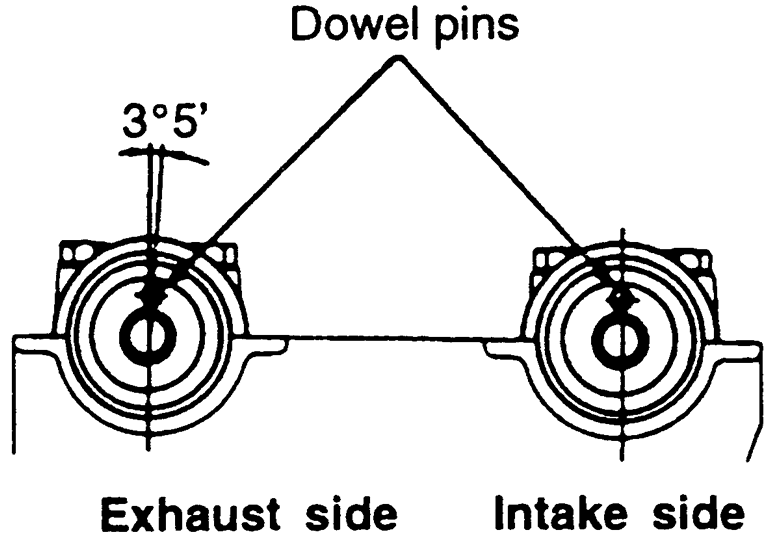
| Fig. 10: Position the camshafts with the dowels facing
up — 1995–98 2.0L turbo engine
|
NOTE: Bearing caps and rocker arms must be installed in the same location that they were remove from.
| Fig. 11: Exploded view of the camshafts and related
components — 2.4L engines
|
To install:
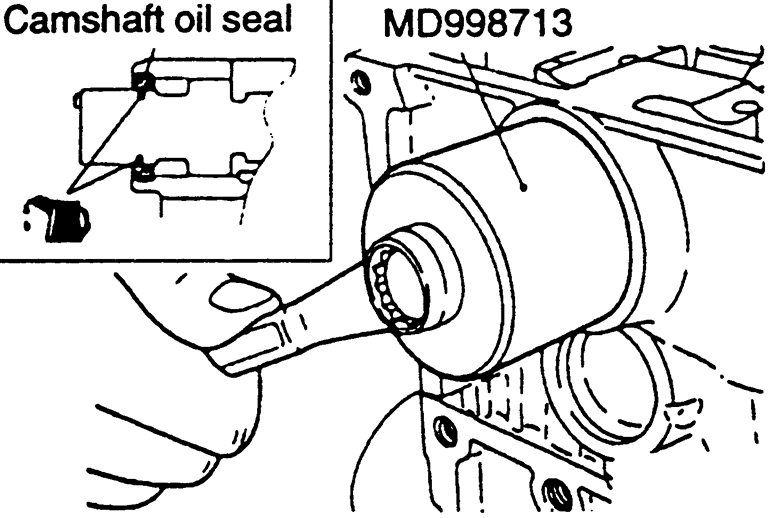
| Fig. 12: Installation of the camshaft oil seal using
the proper tool — 2.4L engines
|