NOTE: Since the fuel pump is located in the fuel tank, its operating sound cannot be readily heard. Remove the fuel tank cap and listen to the operating sound through the filler port.
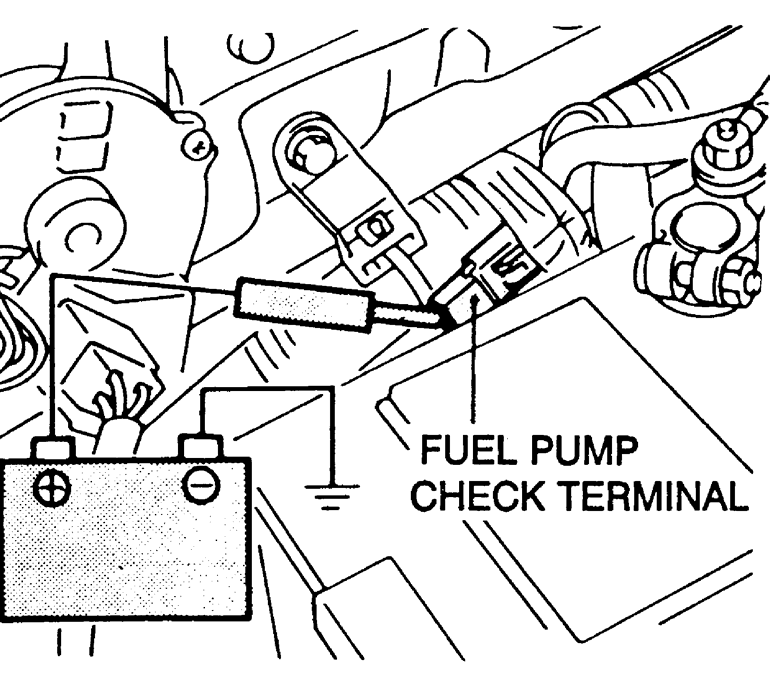
| Fig. 1: Checking fuel pump operation with battery
voltage applied to the fuel pump check terminal — 1990–94
2.0L engine shown
|
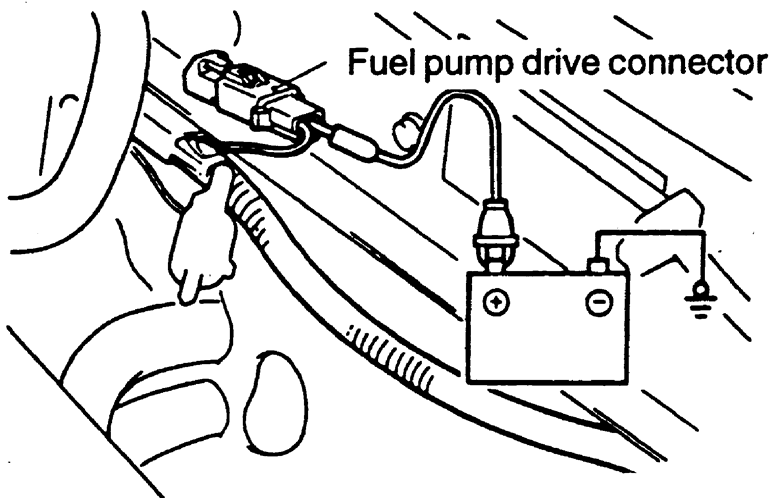
| Fig. 2: Location of the fuel pump drive connector — 1995–98
2.0L turbo and 2.4L engines shown
|
CAUTION
Cover the hose connection with a shop towel to prevent the splash of fuel
that can be caused by residual pressure in the fuel pipe line.
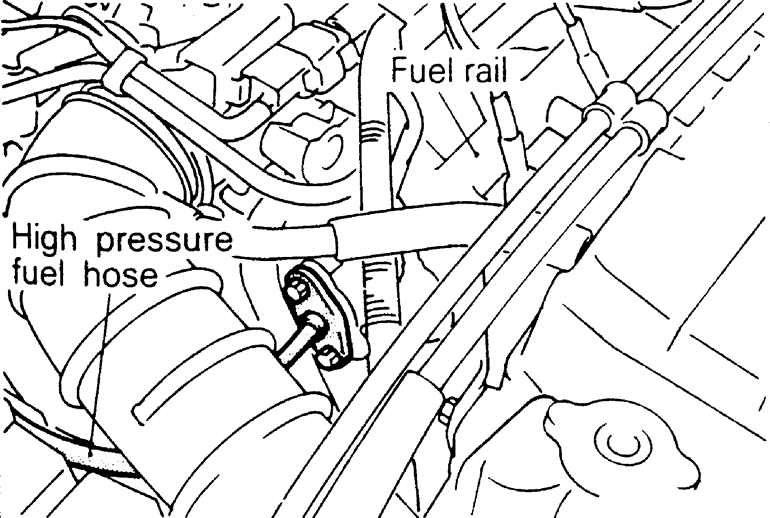
| Fig. 3: Location of the high pressure fuel hose and
fuel rail — 1990–94 vehicles
|
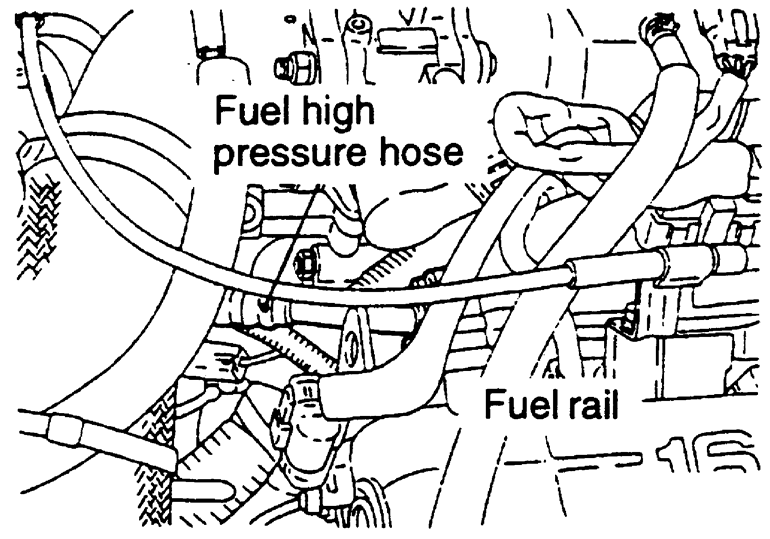
| Fig. 4: High pressure fuel hose location — 1995–98
2.0L turbo and 2.4L engine
|
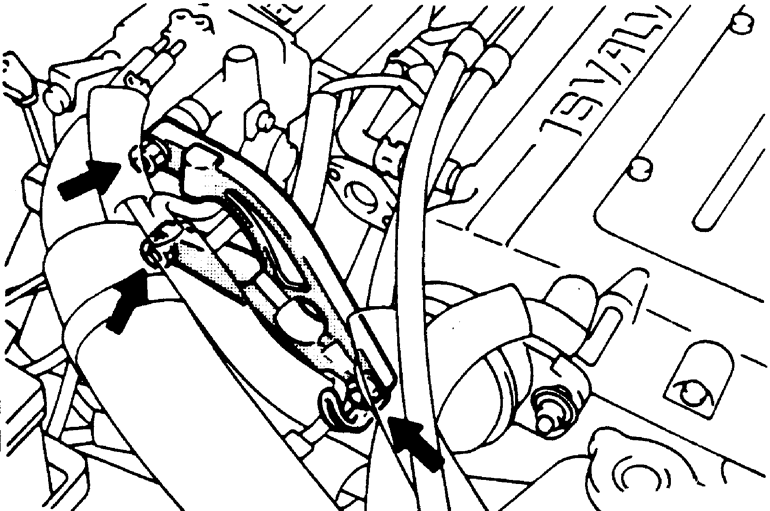
| Fig. 5: If necessary, remove the throttle body stay
|
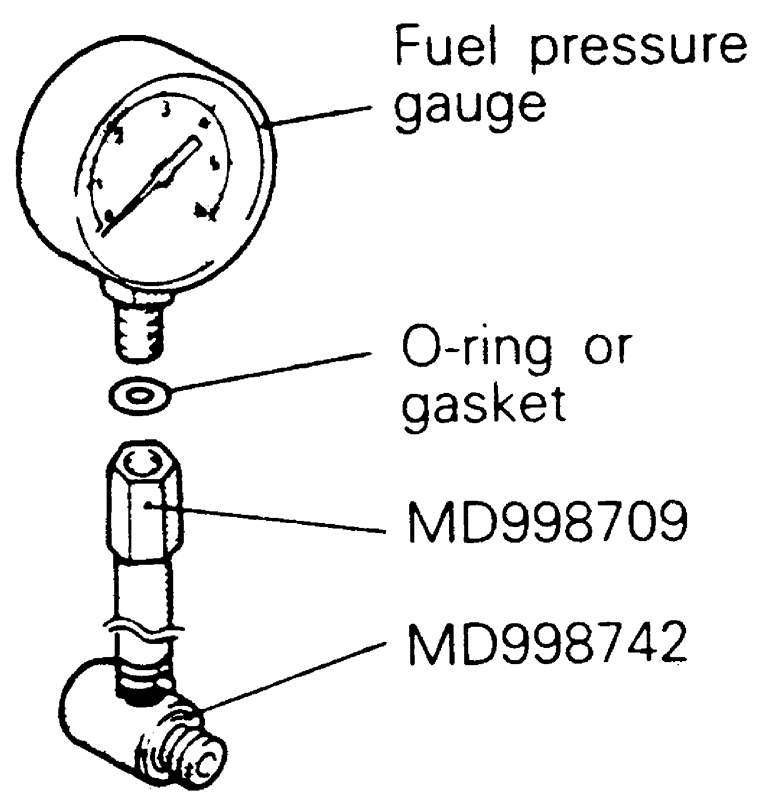
| Fig. 6: Exploded view of the fuel pressure gauge
and adapter set
|
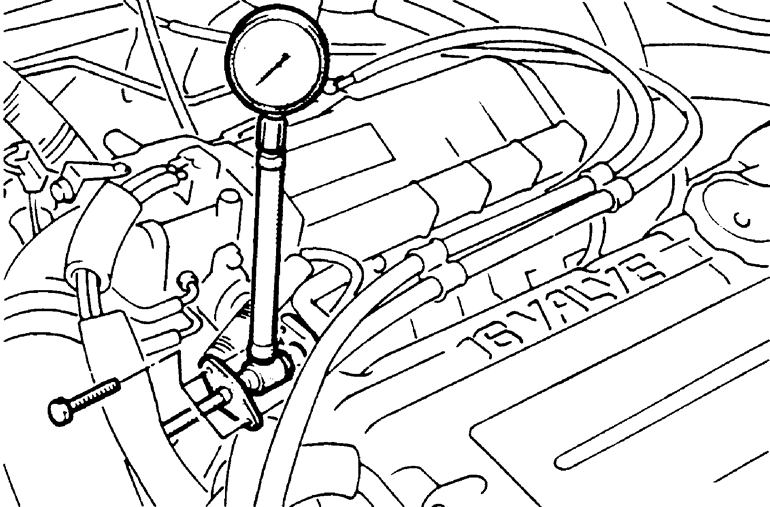
| Fig. 7: Install of the fuel pressure gauge on the
fuel rail — 2.0L engine shown, others similar
|
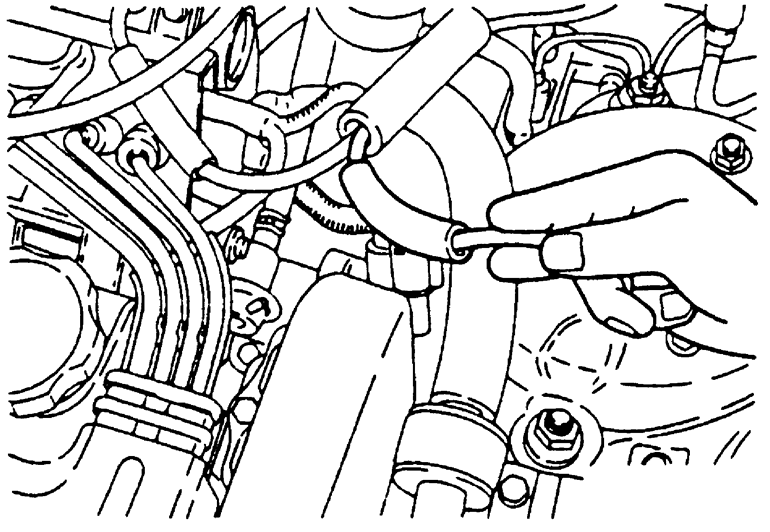
| Fig. 8: Disconnect and plug the regulator vacuum
hose, then measure the fuel pressure
|
NOTE: There will be no fuel pressure in the return hose when the volume of fuel flow is low.
NOTE: Testing the fuel pressure on these vehicles requires the use of a scan tool.
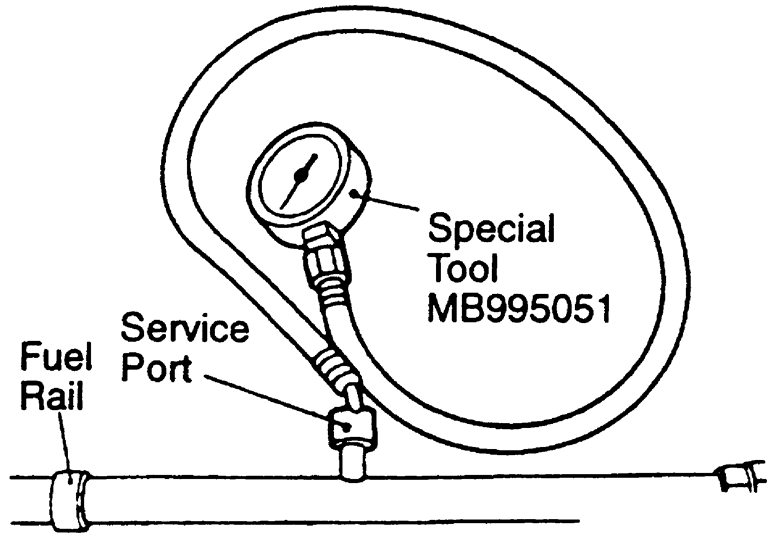
| Fig. 9: Attach the fuel gauge to the service valve
on the fuel rail
|
NOTE: When using the scan tool fuel system test, the fuel
pump relay stays energized for 7 minutes, until the test is stopped or until
the ignition switch is turned of the
OFF position.