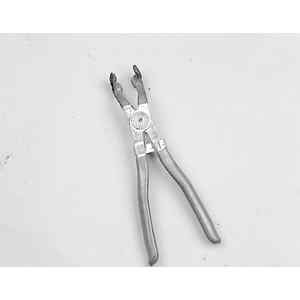
| Fig. 1: These pliers are insulated and help protect the
user from shock as well as the plug wires from being damaged
|
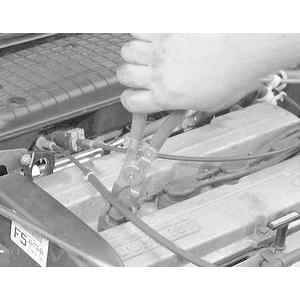
| Fig. 2: To perform the cylinder drop test, remove one
wire at a time and . . .
|
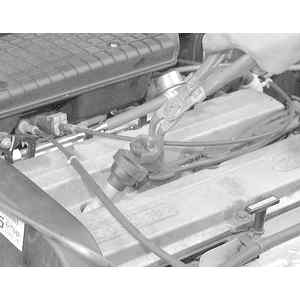
| Fig. 3: . . . note the idle speed and idle characteristics
of the engine. the cylinder(s) with the least drop is the non-contributing
cylinder(s)
|
The cylinder drop test is performed when an engine misfire is evident. This test helps determine which cylinder is not contributing the proper power. The easiest way to perform this test is to remove the plug wires one at a time from the cylinders with the engine running.
WARNING
Make sure your body is free from touching any part of the car which is metal.
The secondary voltage in the ignition system is high and although it cannot
kill you, it will shock you and it does hurt.