Previous Next

SYSTEM BLEEDING

  1. Remove the reservoir cap and pour fluid in until it reaches the lower mark, if needed.
  2. With the coil high tension line disconnected at the coil, operate the starter intermittently (15 or 20 seconds each time) and turn the steering wheel all the way from left to right and back several times. Do this 5 or 6 times while an assistant keeps watch on the fluid level in the reservoir.

    WARNING
    Do not be tempted to bleed the system with the engine idling. The air in the system will be broken up and absorbed into the fluid, resulting in a noisy, foamy mess. During the bleeding procedure, replenish the fluid so that the level never falls below the lower level on the reservoir.

  3. Once the preliminary bleeding is done, the fluid level should stay fairly constant as the wheel is turned while cranking the motor. When this is true, the coil wire may be reconnected and the engine started. Only run the engine at idle; high rpm will not help.
  4. With the engine running, turn the wheel from lock to lock several times and observe the fluid level in the reservoir. The level should not change more than about 0.20 in. (5mm) throughout the full travel of the wheel. The fluid should not look cloudy or milky.

    NOTE: If the system still contains air, the pump will be noisy during operation. This noisy operation can damage the pump. If the fluid level changes markedly during steering wheel movement, the system still contains air. If the fluid level rises suddenly after the engine has been shut off, the system still contains air.

  5. Shut the engine off, fill the reservoir up to the full line, if needed. Install the reservoir cap.

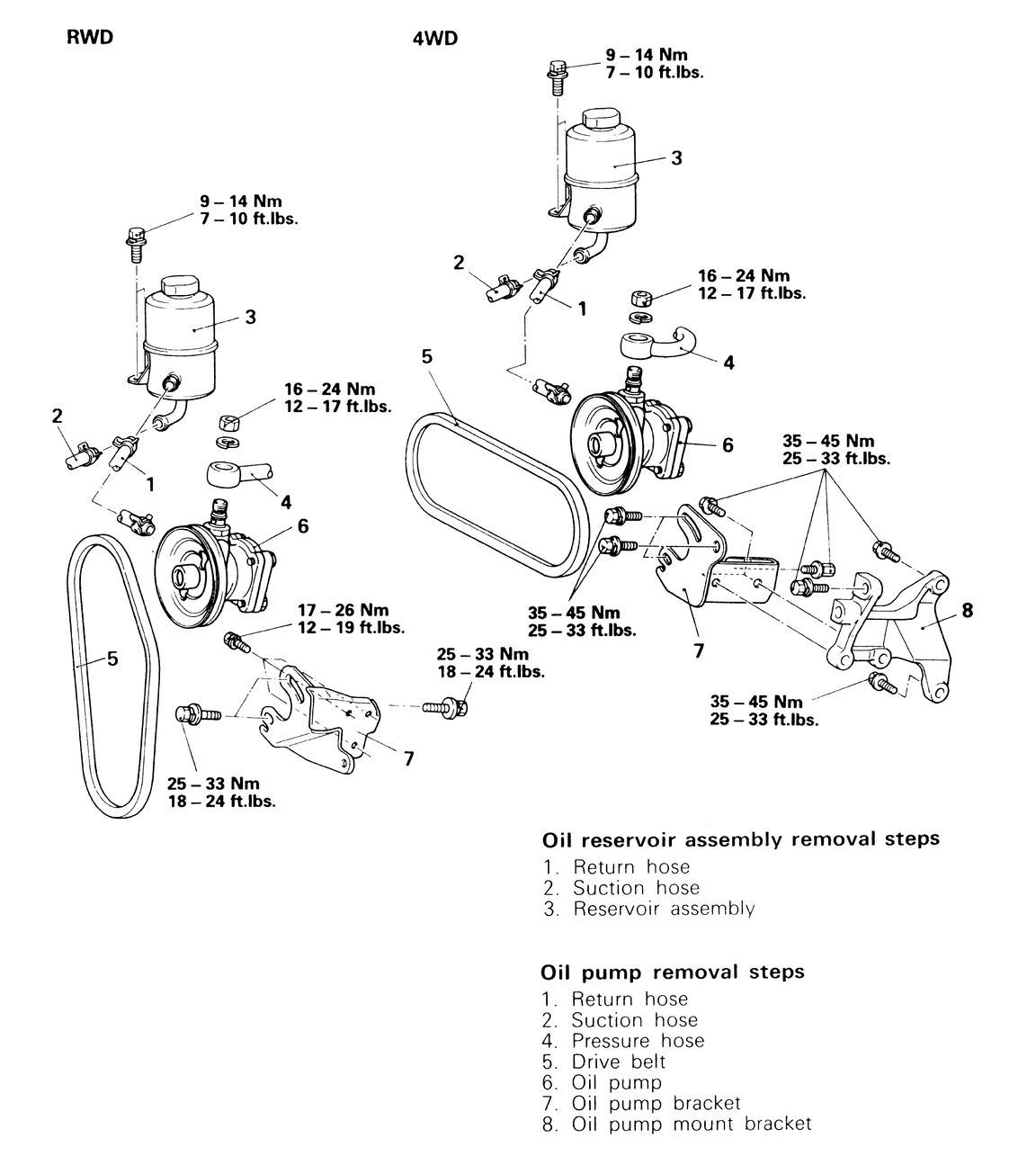
    Fig. 1: Power steering oil pump removal and installation components — 1983–95 Pick-up trucks and 1983–89 Monteros

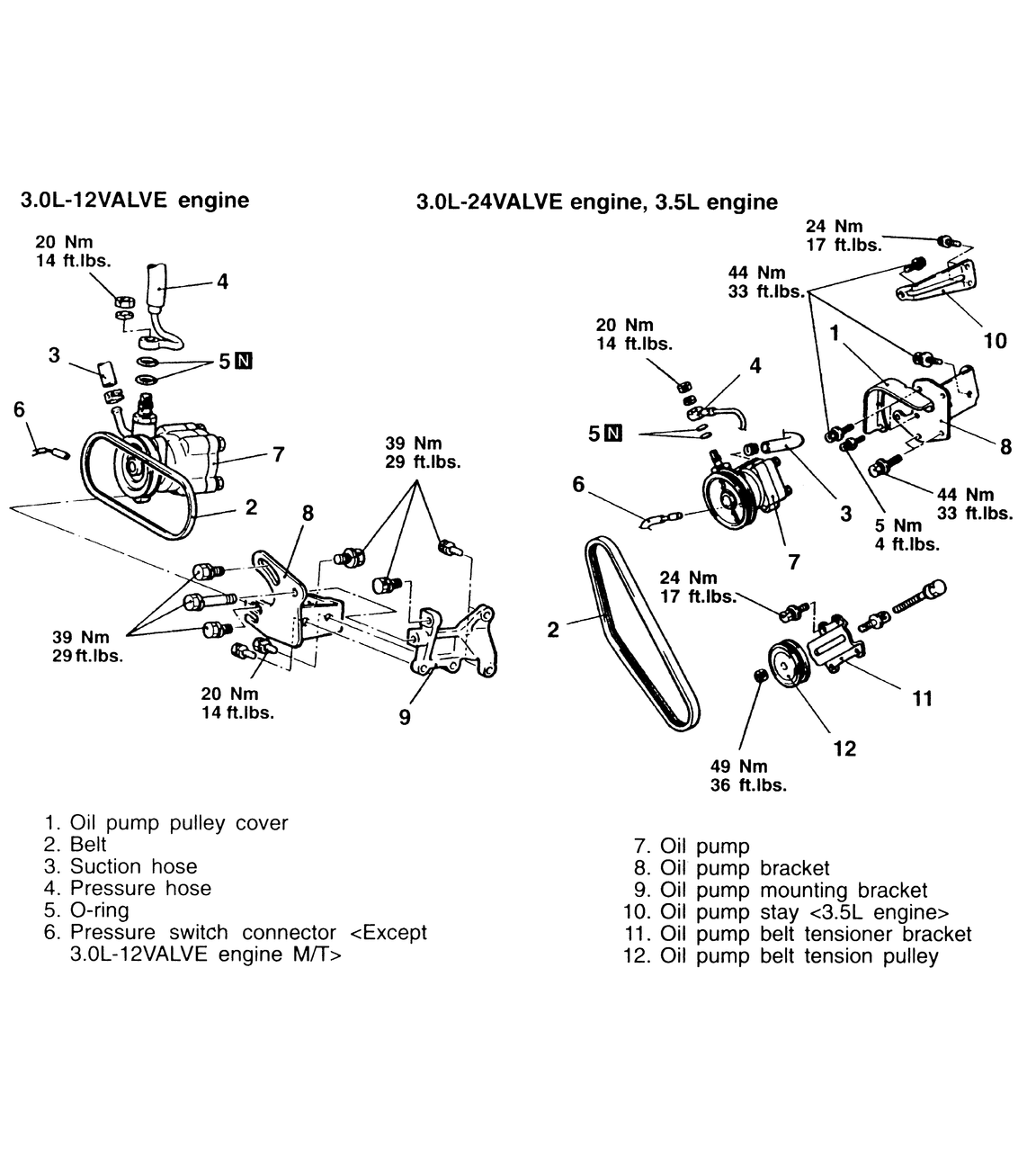
    Fig. 2: Power steering oil pump removal and installation components — 1990–95 Monteros

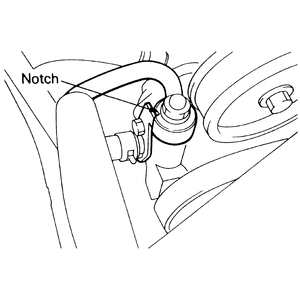
    Fig. 3: When installing the pressure hose, make certain the notch is located in the correct position

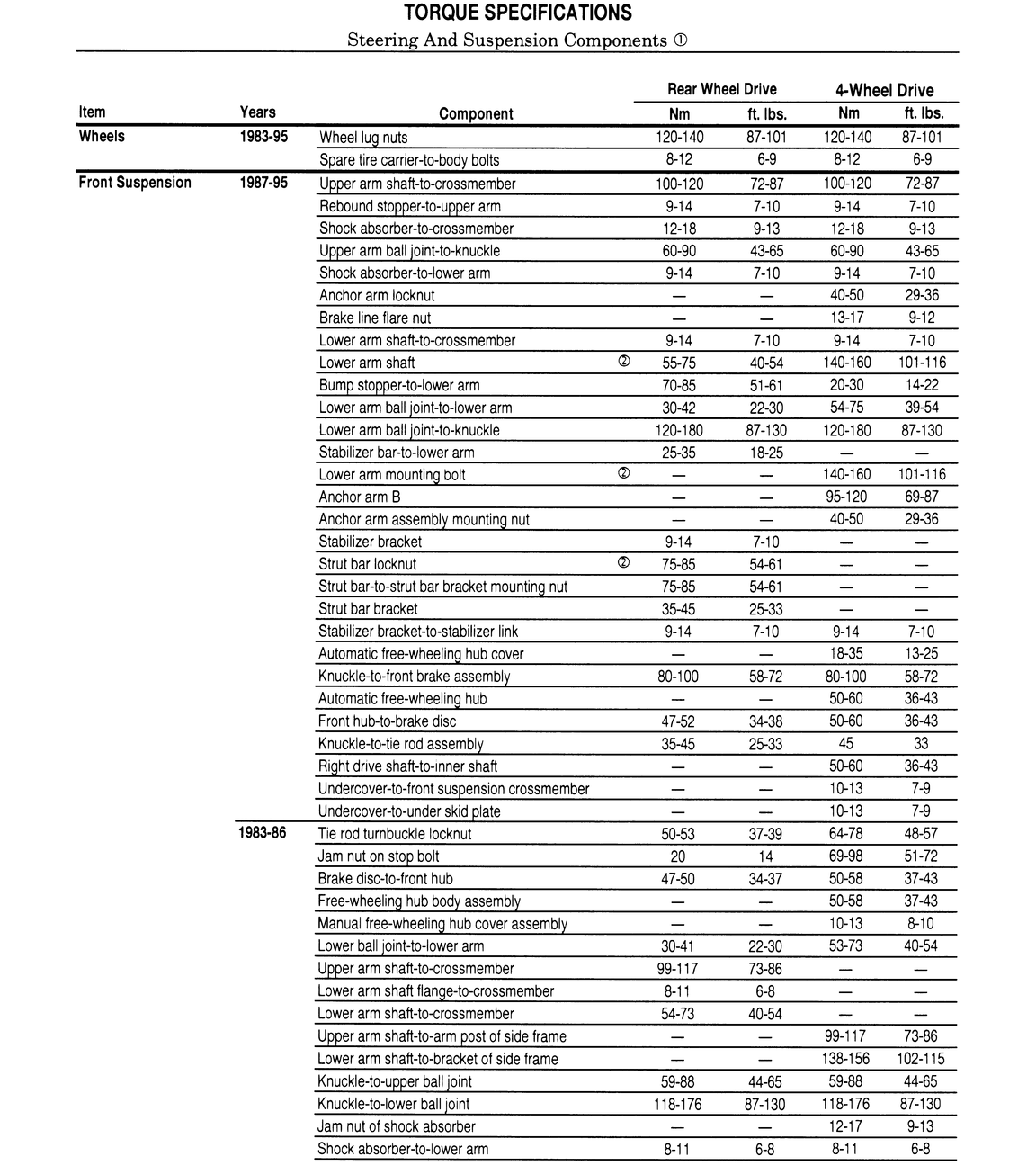
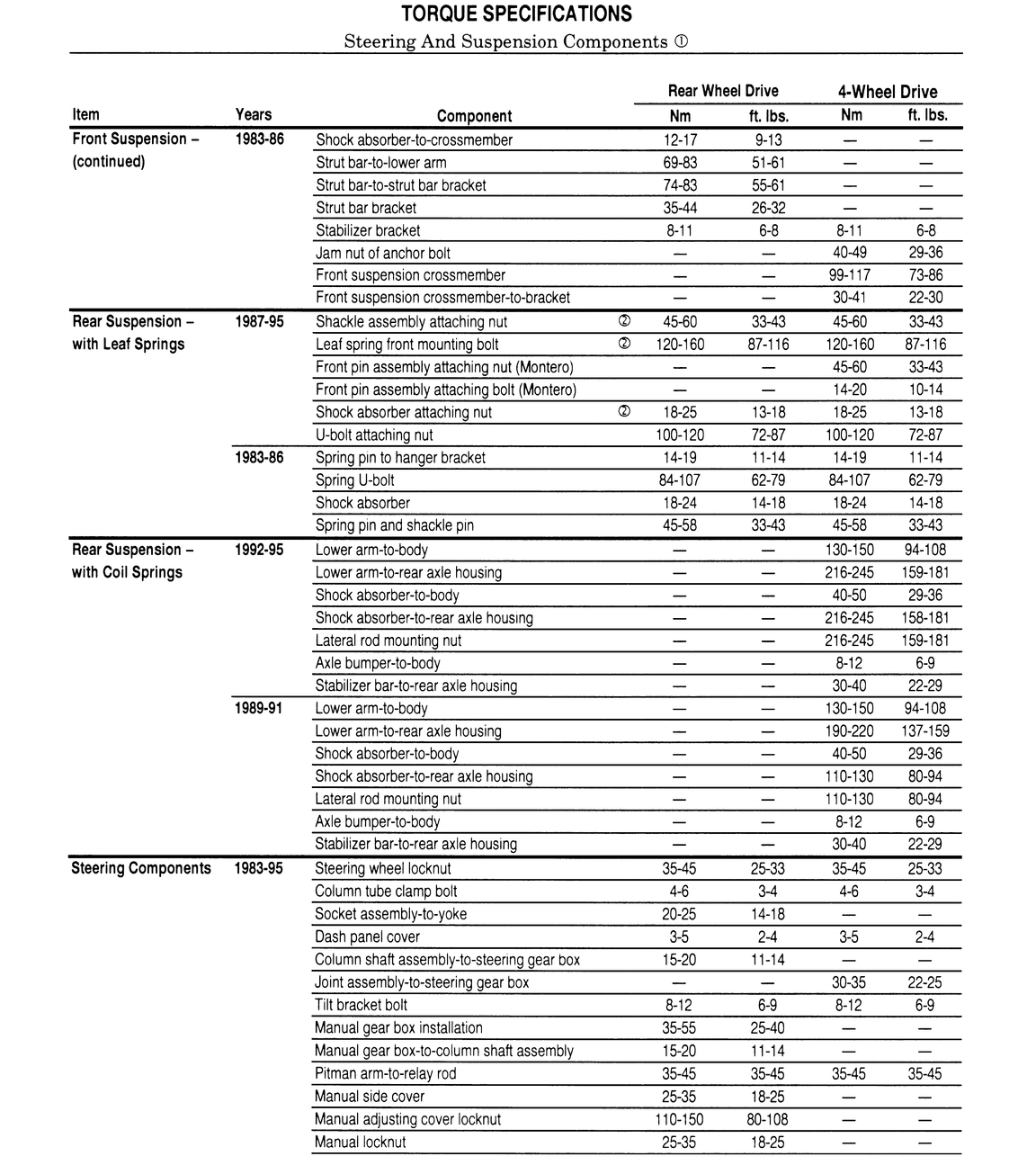
    TORQUE SPECIFICATIONS

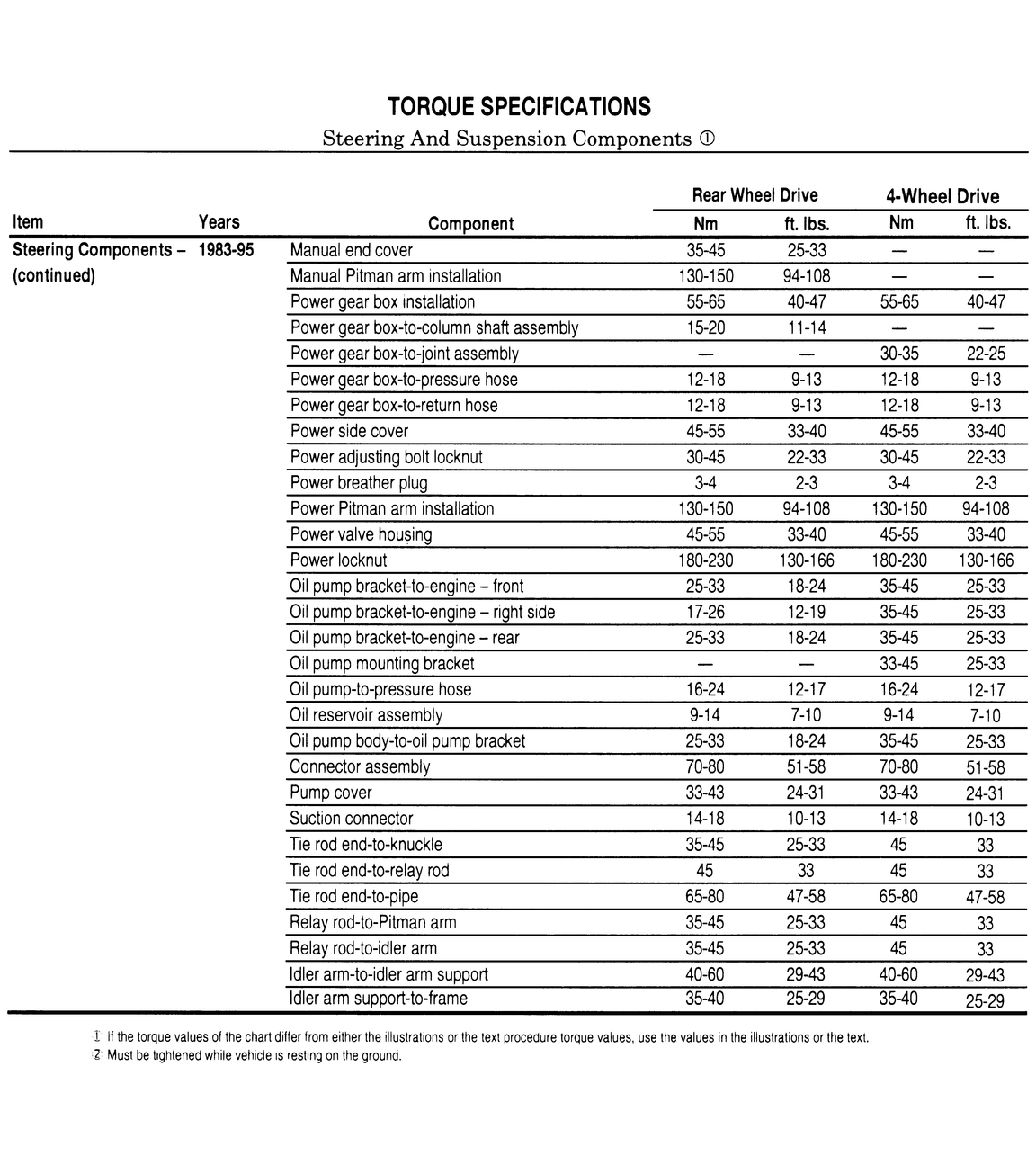
    TORQUE SPECIFICATIONS (CONT...)

    TORQUE SPECIFICATIONS (CONT...)

Previous Next