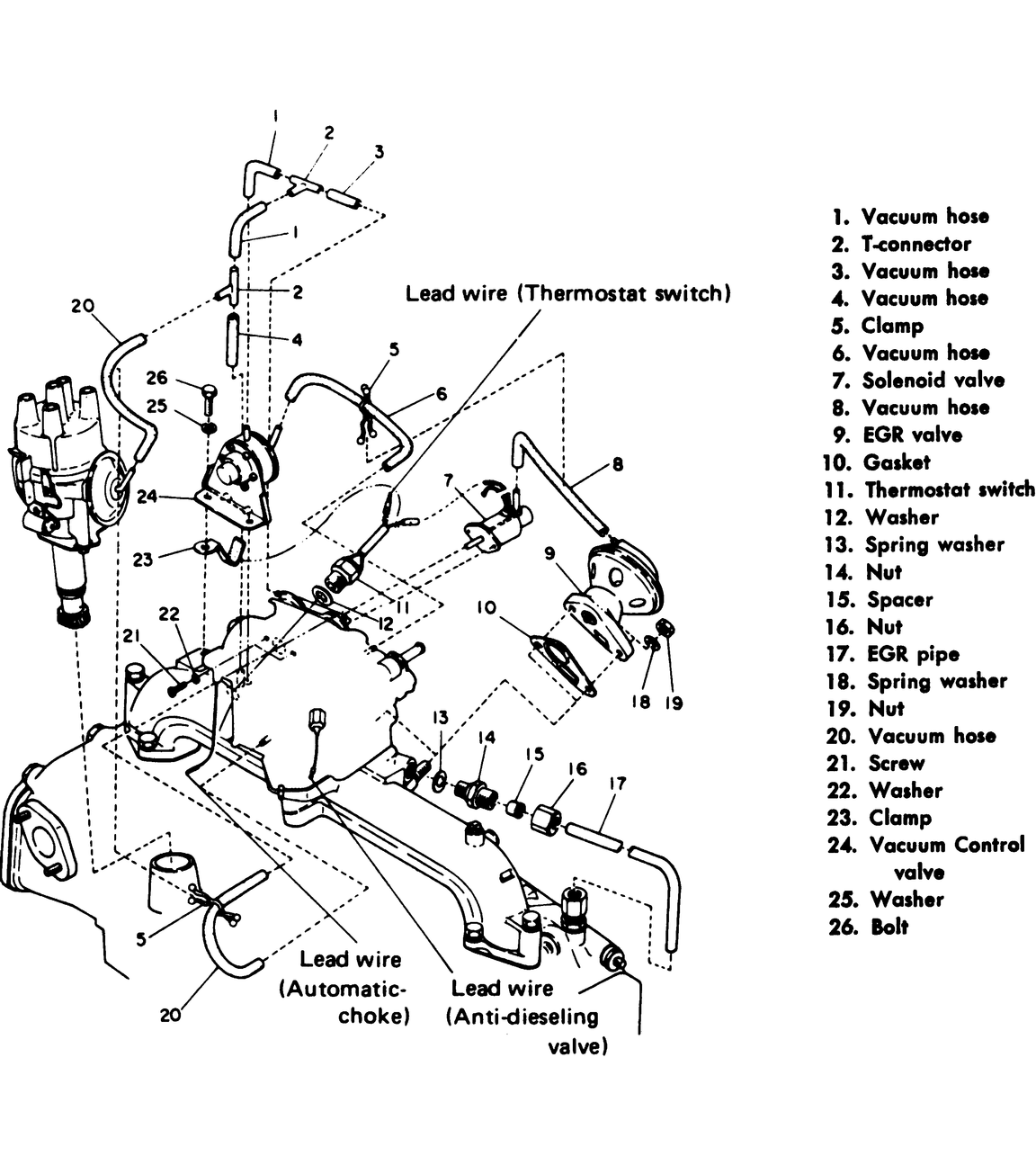
An Exhaust Gas Recirculation system (EGR) is used on 1974–76 California models and all models from 1977 to reduce the Oxides of Nitrogen (NOx) emissions by lowering peak flame temperature during combustion. A small portion of the exhaust gases are routed into the intake manifold via a vacuum operated EGR control valve.
| Fig. 1: Common EGR system components
|
A solenoid vacuum valve controls the flow of vacuum from a port on the carburetor (above the primary throttle valve) to the EGR valve vacuum diaphragm. The solenoid, in turn, is operated by a coolant temperature switch.
When the coolant temperature reaches 122°F (50°C), the temperature switch breaks the current flow to the vacuum solenoid valve. The valve closes, permitting the throttle port vacuum to operate the EGR valve diaphragm. This causes the EGR valve to open under conditions other than idle or wide open throttle.
Below 122°F (50°C), the vacuum solenoid valve is energized to vent the vacuum from the throttle port into the atmosphere through a filter. By preventing exhaust gas recirculation from occurring before the engine has warmed up, cold driveability is greatly improved.
Unlike the 1974 California models, this EGR system does not use a solenoid valve. Instead, the amount of exhaust gas recirculated is controlled by the EGR valve itself, according to the amount of vacuum at the carburetor.