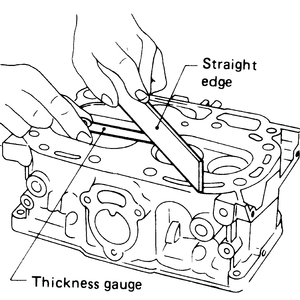
| Fig. 1: Using a straightedge to check the cylinder head
for signs of warpage
|
Invert the cylinder head and clean the carbon from the valve faces and combustion chambers. Use a permanent felt-tip marker and mark the valves for location.
Use a valve spring compressor and compress the valve springs. Lift out the keepers, release the valve spring compressor and remove the valve, spring and spring retainer. Place all parts removed in order so that they can be reinstalled on the same cylinder.
Remove the valves from the cylinder head. Chip away any remaining carbon from the valve heads, combustion chambers and ports. Use a rotary wire brush on an electric drill. Be sure that the deposits are actually removed, rather than burnished. Clean the valve faces with a wire wheel taking care not to remove the location numbering. Clean the cylinder head and component parts in an engine cleaning solvent.
Check the cylinder head for warpage by placing a straightedge across the gasket surface. Using feeler gauges, determine the clearance at the center of the straightedge. Measure across the diagonals, along the longitudinal centerline and across the cylinder head at several points. Should the warpage exceed 0.0020 inch (0.05mm) the cylinder head must be resurfaced. Be sure to observe the following grinding limits:
Clean the valve stems with lacquer thinner. Clean the valve guides using solvent and an expanding wire type valve guide cleaning brush. Insert the valve into the guide from which it was removed. With the valve slightly off of the valve seat, rock the valve face and stem back and forth. Excessive wobble means a worn guide, valve stem or both.
Measure the valve stems with a micrometer and compare the reading with the specifications to determine whether valve stem or guide wear is responsible for any excessive clearance. Replace or repair as necessary.