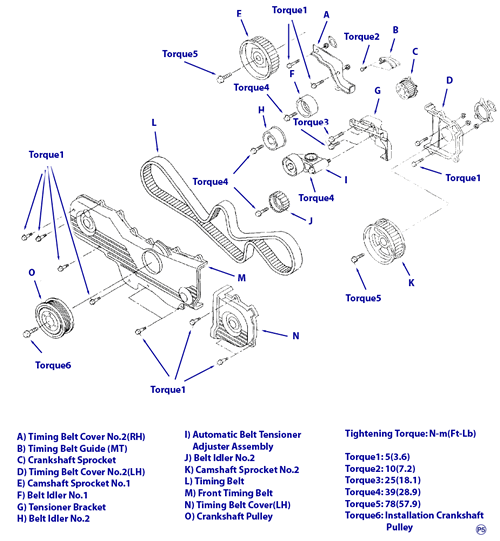
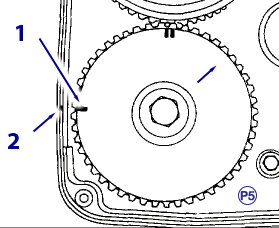
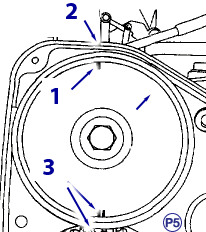
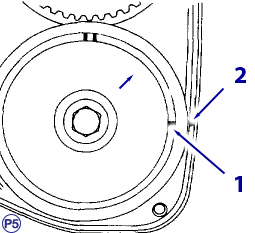
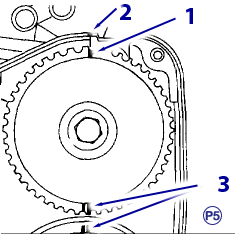
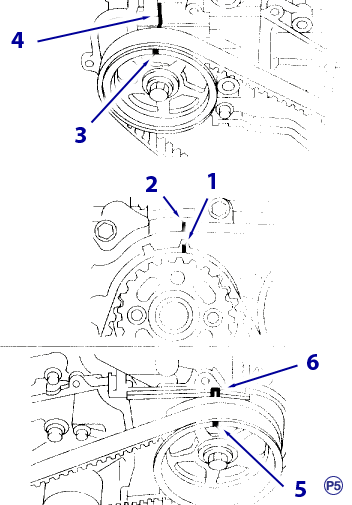
| Timing Belt – 2.5L SOHC Engine
|
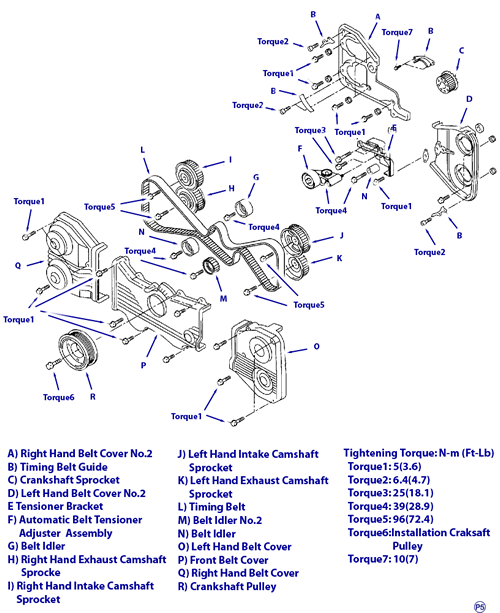
| Timing Belt – 2.0L DOHC Engine
|
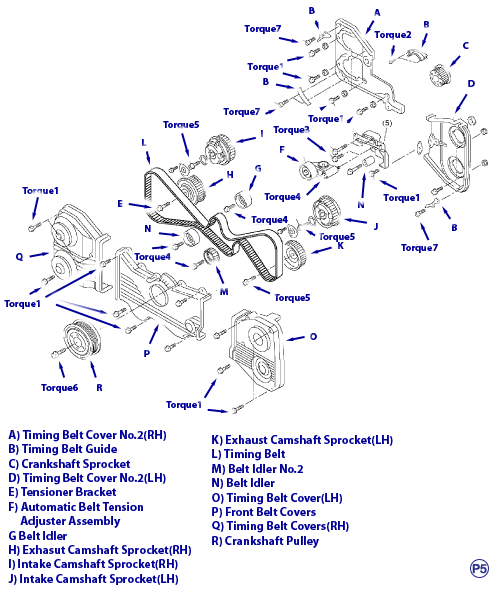
| Timing Belt – 2.5L DOHC Engine
|
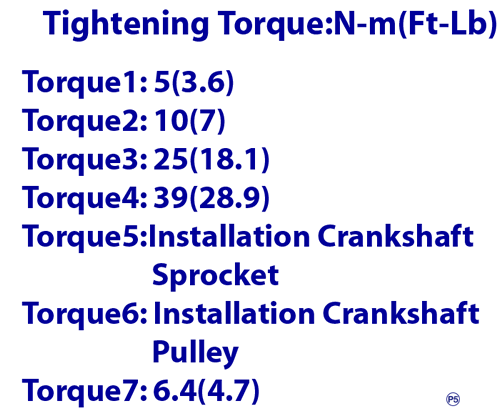
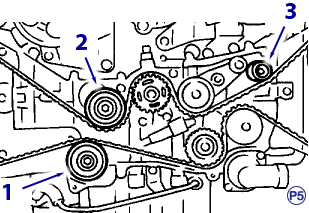
| Timing Belt Legend – 2.5L DOHC Engine
|
To Remove:
|
|
|
|
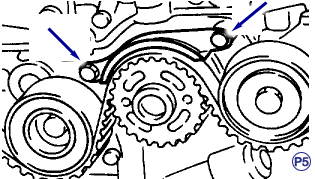
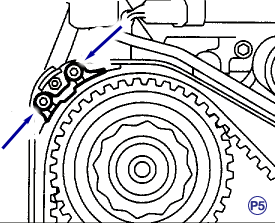
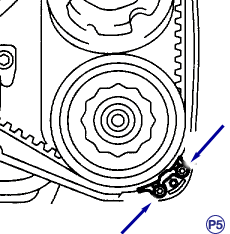
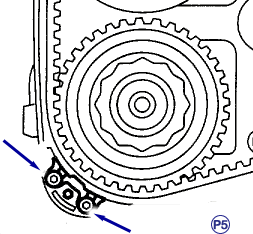
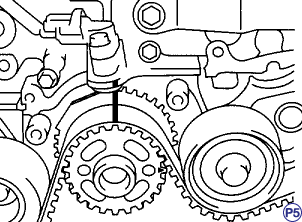
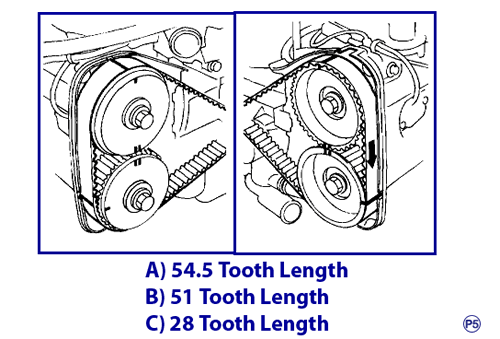
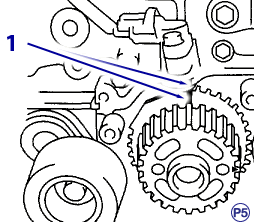
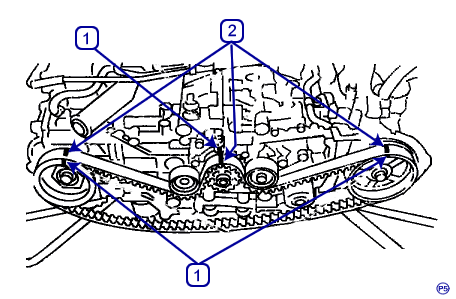
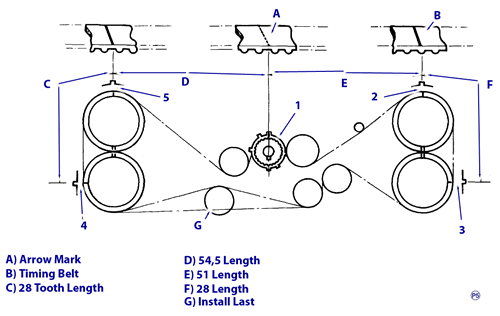
Note: If the alignment mark and/or arrow mark (indicateing rotation direction) on the timing belt are worn and not legible, add new marks before removing the timing belt as follows:
|
|
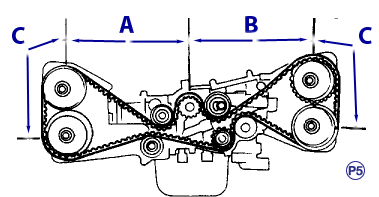
Note: Z1: 54.5 tooth length, Z2: 51 tooth length, Z3: 28 tooth length
|
|
CAUTION
To avoid damaging the valve stems, after the timing belt has been removed, never rotate the intake and exhaust, camshaft sprockets.
|
|
To Install:
CAUTION
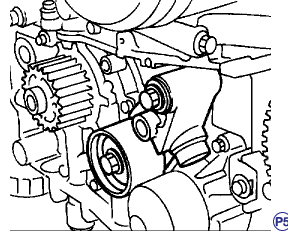
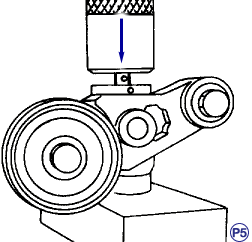
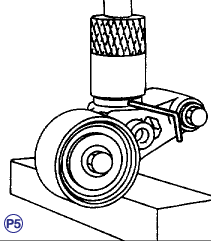
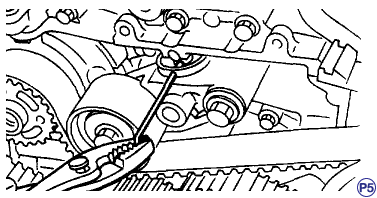
Always use a vertical type pressing tool to apply pressure and move the adjuster rod down.
|
|
|
|
|
|
|
|
CAUTION
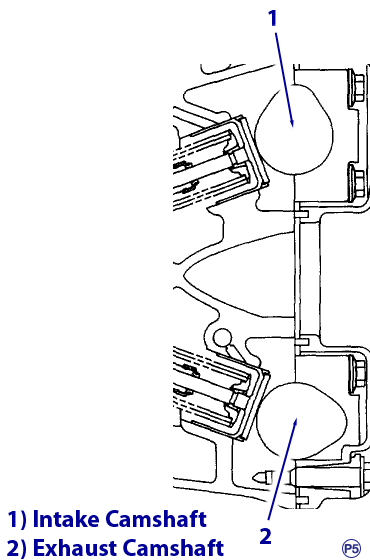
Intake and exhaust camshafts for the DOHC engine can be independently rotated with the timing belts removed. If the intake and exhaust valves are raised simultaneously, there will interference of the valve heads, resulting in damage, (bent valves).
Note: With the timing belts removed, all four camshafts are held in the "zero-lift" position, in this position all cams on the camshafts do not push on the intake and exhaust valves. In this condition, all valves remain seated, (unlifted).
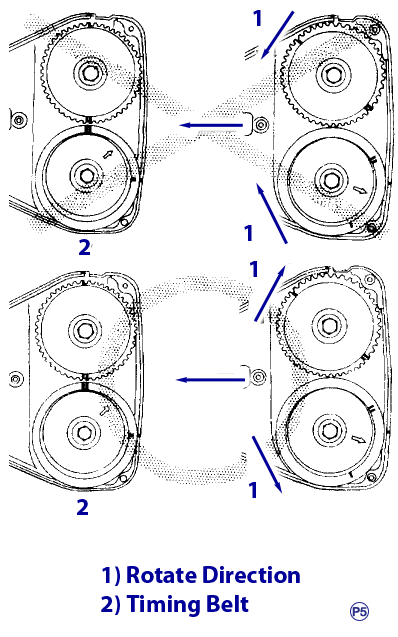
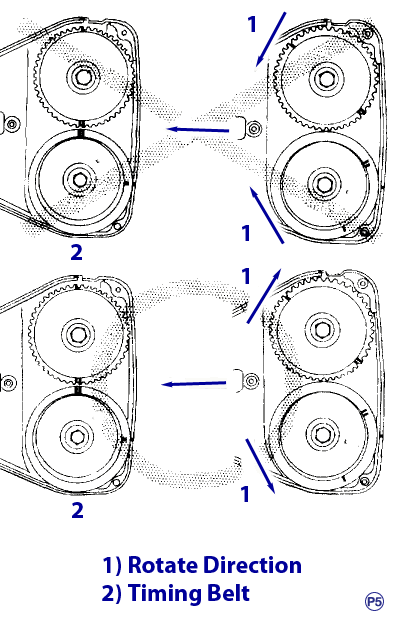
When the camshafts are rotated to install the timing belts, #2 intake and #4 exhaust cam of camshafts (LH) are held to push their corresponding valves down. (Under this condition, these valves are held lifted.) Camshafts (RH) are held so that their cams do not push the valves down. The (LH) camshafts must be rotated from the "zero-lift" position to the position where the timing belt is to be installed at as small an angle as possible, in order to prevent an interference condition of the intake and exhaust valve heads.
|
CAUTION
Do not allow the camshafts to rotate in the direction shown in the illustration as this will cause both intake and exhaust valves to lift simultaneously, resulting in an interference condition of the intake and exhaust valve heads, resulting in damage, (bent valves).
Note: It is recommended that the crankshaft seal be replaced when performing this repair procedure.
|
CAUTION
Disengagement of more than three timing belt teeth may result in interference between the valve and piston and damage to the engine.
|
|
|
|
|
To Remove:
|
Note: If the alignment mark and/or arrow mark (which indicates rotation direction) on timing belt are not legible, it is very important you re-mark the belt before removing the timing belt.
|
|
| A, 44 tooth length, B, 40,5 tooth length
|
Note: Refer to the illustration; A, 44 tooth length, B, 40,5 tooth length.
To Install:
Note: The timing belt, belt tension pulley, belt idler and automatic belt tensioner should be inspected thoroughly for cracks, wear, leaks, rough rotation, and excessive noise. If any component is found to be excessively worn, damaged or defective it should be replaced.
CAUTION
Always use a vertical type pressing tool to apply pressure and move the adjuster rod down.
|
|
|
|
|
|