BODY ELECTRICAL AUDIO SYSTEM GENERAL/CONTROL/DETAILS SYSTEM CONTROL
HD RADIO
In-Band On-Channel (IBOC) type digital radio broadcasts (HD Radio) can be received. In-Band On-Channel (IBOC) adds digital signals to the existing analog signal band range and both sidebands, enabling analog FM-sound quality for AM stations and CD-sound quality for FM stations. When the digital signals cannot be received, the radio automatically switches to analog signal reception mode.
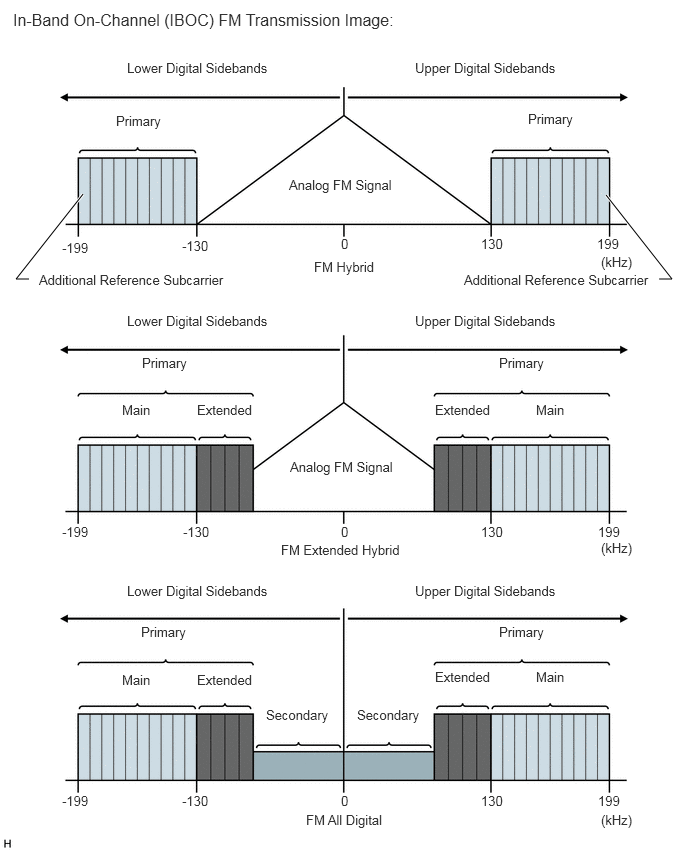
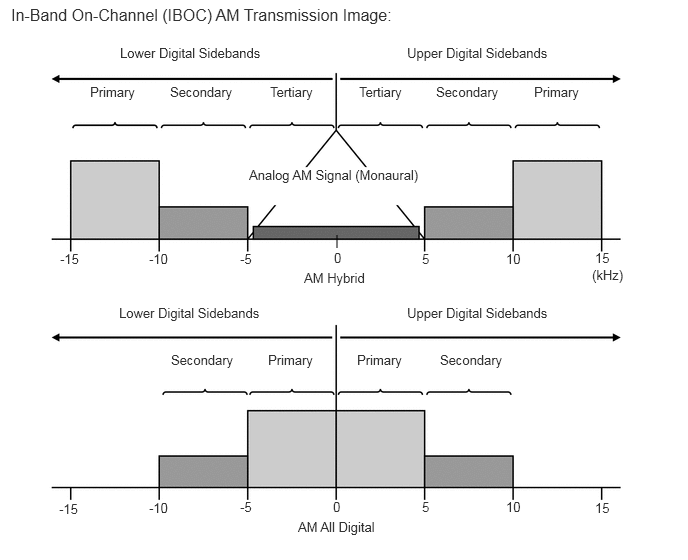
The HD radio tuner can receive simple broadcast data along with digital audio broadcast data, enabling support for a multi-broadcast function. With this function, 2 programs, such as the main program and music, can be received simultaneously. Additionally, tag information from the received station can be stored in memory.
- HINT:
-
HD radio is a trademark of iBiquity Digital Corporation.
MOBILE ASSISTANT
Apple's Siri Eyes Free Mode can be used with a compatible Apple device connected to the display audio system or navigation system via Bluetooth.
By pressing and holding the off hook switch on the steering wheel, the user can ask Siri questions without taking their eyes off the road. To minimize distraction, the device's screen won't light up. With the Eyes Free feature, users can ask Siri to call contacts, select and play music, hear and compose text messages, use Maps and get directions, read notifications, find calendar information, add reminders, and more.
- When the Mobile Assistant function is used to call a contact or listen to music stored on the user's device, the system will automatically transition to the phone call or audio screen.
- HINT:
-
Some Siri features are limited in Eyes Free Mode. If the user attempts to use an unavailable function, Siri will inform the user that the function is not available.
BLUETOOTH AUDIO SYSTEM
The Bluetooth audio system enables users to enjoy music played on portable players or cellular telephones (with built-in audio player) from the vehicle speakers via wireless communication.
The 13CY model Bluetooth audio system is used, thus corresponding to the following specification and profiles:
- Bluetooth Core Specification Version 2.0 or higher (Version 3.0 recommended)
- Advanced Audio Distribution Profile (A2DP) Version 1.0 or higher (Version 1.2 recommended)
- Audio/Video Remote Control Profile (AVRCP) Version 1.0 or higher (Version 1.4 recommended)

|
"Bluetooth" is a trademark owned by Bluetooth SIG, Inc. |
SATELLITE DIGITAL AUDIO RADIO SERVICE (SDARS)
The Satellite Digital Audio Radio Service (SDARS) uses digital radio broadcasts (XM satellite radio).
XM satellite radio is a type of pay digital broadcast service.
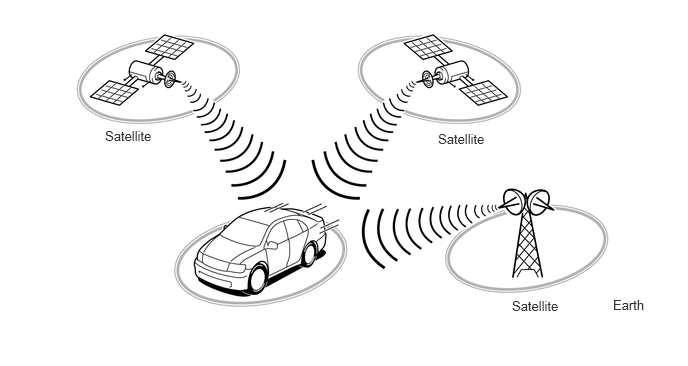
The SDARS uses 2 stationary satellites to capture digital radio broadcasts (XM satellite radio) from over 170 channels. XM satellite radio enables users to constantly receive their favorite programs in any location in the U.S.A. (except Hawaii and Alaska) and Canada.
Because it is digitally broadcast, XM satellite radio produces high-quality sounds similar to CD. Because it uses satellites, its reception range is very wide. In addition to being able to receive broadcasts throughout the U.S.A. (except Hawaii and Alaska) and Canada, users can also receive broadcasts along the Mexico - U.S.A. border. Thus, users can listen to the same station anywhere in these areas. This is particularly convenient for long-distance drivers because it is not necessary to tune to different stations.
In addition to the 2 satellites, XM satellite radio is supported by 800 satellite earth stations. If the signals from the satellites are disrupted by a tunnel, a gulch, or high-rise buildings, a simultaneous broadcast (called "gap filler") through ground waves helps achieve excellent reception that is free of interruptions.