STANDARD PROCEDURE
- PRIMING FUEL SYSTEM
- CLEANING FUEL SYSTEM COMPONENTS
- DRAINING WATER IN FUEL
- FUEL CONTAMINATION
- DRAINING FUEL TANK - DIESEL
PRIMING FUEL SYSTEM
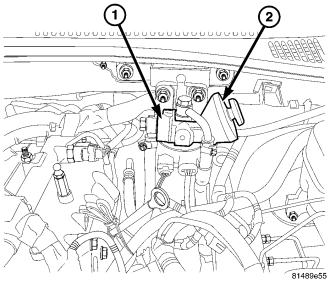
CAUTION: Cranking the engine for an extended period with out a fuel supply may result in damage to the high pressure fuel pump. DO NOT force the plunger when priming the fuel system. Damage to the plunger or fuel filter/water separate will result.
NOTE: Should the vehicle run out of fuel, the fuel system must be re-primed in order to start. Factors such as temperature, how long the vehicle has been sitting, and engine cranking speed will influence how quickly the engine starts. If the water in fuel light is illuminated in the instrument panel, refer to the water in fuel sensor for draining procedure.
The fuel system must be primed if the fuel system has been serviced. This is done using the fuel primer button located at the top of the fuel filter/water separator.
1. With service completed on the fuel system.
2. Depress the fuel primer (2) 20 consecutive times then open the bleeder screw on top of the housing to dispel trapped air.
3. Close the bleeder screw and continue the step above until the primer button becomes slightly harder to depress.
4. Turn the ignition to START and crank the engine a maximum of ten seconds.
NOTE: If the engine does not start with in ten seconds, repeat the priming procedure. The engine will typically start within ten seconds; the engine may idle, idle rough, or stall, purging any trapped air from the lines and filter.
5. Tighten bleeder screw to 10.8 N·m (96 in.lbs.).
CLEANING FUEL SYSTEM COMPONENTS
CAUTION: Cleanliness cannot be overemphasized when handling or replacing diesel fuel system components. This especially includes the fuel injectors, high-pressure fuel lines, fuel rail, and fuel injection pump. Very tight tolerances are used with these parts. Dirt contamination could cause rapid part wear and possible plugging of fuel injector nozzle tip holes. This in turn could lead to possible engine misfire. Always wash/clean any fuel system component thoroughly before disassembly and then air dry. DO NOT wire brush injector nozzles when cleaning. Cap or cover any open part after disassembly. Before assembly, examine each part for dirt, grease or other contaminants and clean if necessary. When installing new parts, lubricate them with clean engine oil or clean diesel fuel only.
DRAINING WATER IN FUEL
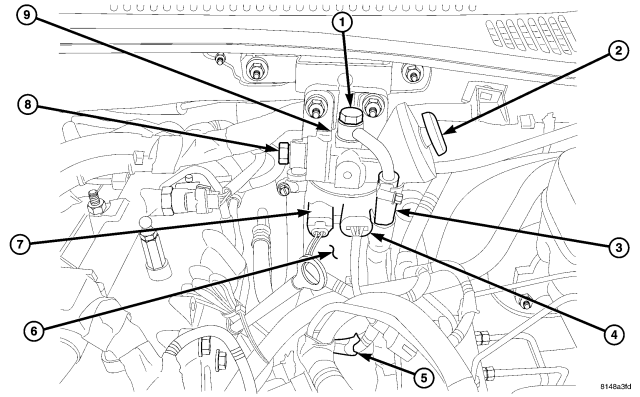
WARNING: Store fuel in approved and properly marked containers. Wear safety goggles and adequate protective clothing when servicing fuel system.
1. Disconnect the negative battery cable.
2. Disconnect the water in fuel (WIF) wiring harness connector located under the fuel filter .
3. Connect a drain hose to the WIF sensor.
4. Place the other end of the drain hose in a approved and properly marked container.
5. Open the bleed screw on top of the fuel filter housing.
6. Loosen the WIF sensor on the bottom of the fuel filter to begin draining.
7. Allow the filter to drain into the container until fuel is visible.
8. Tighten the WIF sensor, remove the drain hose and clean any spillage.
9. Tighten the bleeder screw on top of the fuel filter housing.
10. Connect the WIF wiring harness connector.
11. Connect the negative battery cable.
FUEL CONTAMINATION
If a diesel engine's fuel supply has been contaminated (with gasoline, water, etc.), the following procedure must be followed:
1. Remove all fuel from the fuel tank. (Refer to 14 - FUEL SYSTEM/FUEL DELIVERY - STANDARD PROCEDURE-DRAINING FUEL TANK) Use an appropriate fuel container. Dispose of the contaminated fuel using the proper procedures.
CAUTION: Dispose of petroleum based products in a manner consistent with all applicable Local, State, Federal, and Provincial regulations.
2. Remove and clean fuel tank. (Refer to 14 - FUEL SYSTEM/FUEL DELIVERY/FUEL TANK - REMOVAL)
3. Install the fuel tank. (Refer to 14 - FUEL SYSTEM/FUEL DELIVERY/FUEL TANK - INSTALLATION)
4. Fill fuel tank with fresh diesel fuel.
5. Drain and remove the fuel filter. (Refer to 14 - FUEL SYSTEM/FUEL DELIVERY/FUEL FILTER / WATER SEPARATOR - REMOVAL)
6. Install a new fuel filter. (Refer to 14 - FUEL SYSTEM/FUEL DELIVERY/FUEL FILTER / WATER SEPARATOR - INSTALLATION)
7. Check the engine control module for any diagnostic trouble codes (DTCs). Record and clear any DTCs that are present.
8. Start and run the engine. Run the engine for up to 15 minutes to allow time for any DTCs to reset and shut off the engine.
9. Check the engine control module for any diagnostic trouble codes (DTCs). Record any DTCs that are present. Refer to the appropriate engine electrical diagnostics to diagnose any DTCs that were set.
CAUTION: With the high pressure fuel system in this vehicle, any residual contaminated fuel will be removed very quickly. Shut off the engine immediately if signs of engine damage are noted.
The engine should then be evaluated to determine if the contaminated fuel has caused any damage to the fuel system and/or engine. Indicators that the fuel system has been damaged include the following:
- Unstable fuel rail pressure. This can manifest itself as instability of idle speeds, excessive undershoot/overshoot at engine start-up, or excessive undershoot/overshoot when the engine operating conditions change. A typical engine response to a large rail pressure undershoot would be a decrease in engine speed or engine stall.
- Excessive noise from the engine. This could indicate poor rail pressure control or the inability of the injection system to inject the proper amount of fuel.
- Excessive smoke (black or white). This could indicate the inability of the fuel system to inject the proper amount of fuel.
NOTE: If any of these conditions are exhibited after cleaning the fuel system, proceed to the appropriate engine electrical diagnostic information. Repair the fuel system and/or engine as necessary.
DRAINING FUEL TANK - DIESEL
1. Raise vehicle.
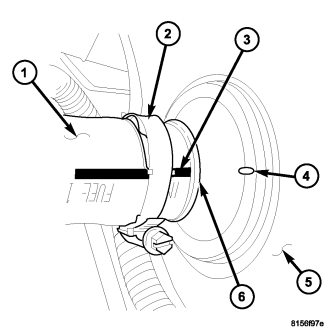
2. Thoroughly clean area around fuel fill fitting (6) and rubber fuel fill hose (1) at side of fuel tank. After cleaning, loosen fuel fill hose clamp (2) at tank. Note position of index mark (3) before removing hose from fuel tank fitting.
3. Remove rubber fuel fill hose (1) from fuel tank fill fitting (6). Drain fuel into an approved diesel fuel oil draining station.